 Wondershare EdrawMind
MindMap Gallery system anatomy nervous system cranial nerves
- 37
system anatomy nervous system cranial nerves
System anatomy Nervous system, the fiber structure of cranial nerves is divided into general somatosensory fibers, general visceral sensory fibers, general somatic motor fibers, general visceromotor fibers, special somatosensory fibers, special visceral sensory fibers, and special visceromotor fibers.
Edited at 2023-07-29 14:15:50
- bacteria
This is a mind map about bacteria, and its main contents include: overview, morphology, types, structure, reproduction, distribution, application, and expansion. The summary is comprehensive and meticulous, suitable as review materials.
- Plant asexual reproduction
This is a mind map about plant asexual reproduction, and its main contents include: concept, spore reproduction, vegetative reproduction, tissue culture, and buds. The summary is comprehensive and meticulous, suitable as review materials.
- Reproductive development of animals
This is a mind map about the reproductive development of animals, and its main contents include: insects, frogs, birds, sexual reproduction, and asexual reproduction. The summary is comprehensive and meticulous, suitable as review materials.
system anatomy nervous system cranial nerves
- bacteria
This is a mind map about bacteria, and its main contents include: overview, morphology, types, structure, reproduction, distribution, application, and expansion. The summary is comprehensive and meticulous, suitable as review materials.
- Plant asexual reproduction
This is a mind map about plant asexual reproduction, and its main contents include: concept, spore reproduction, vegetative reproduction, tissue culture, and buds. The summary is comprehensive and meticulous, suitable as review materials.
- Reproductive development of animals
This is a mind map about the reproductive development of animals, and its main contents include: insects, frogs, birds, sexual reproduction, and asexual reproduction. The summary is comprehensive and meticulous, suitable as review materials.
- Recommended to you
- Outline
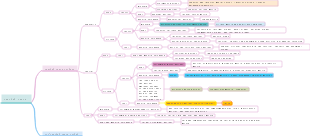
cranial nerve
fiber structure of cranial nerves
Classification
general somatosensory fibers
Skin, muscles, tendons, oral and nasal mucosa, conjunctiva, cornea and meninges
general visceral sensory fibers
Internal organs of the head, neck, chest, and abdomen
General somatic motor fibers
Skeletal muscles such as extraocular muscles and tongue muscles
General visceral motor fibers
Controls the movement of cardiac muscle and smooth muscle and controls the secretion of glands
Special somatosensory fibers
Special sensory organs such as optic apparatus and vestibulocochlear apparatus
Special visceral sensory fibers
Taste buds and olfactory organs
Special visceral motor fiber
Innervates the skeletal muscles derived from the branchial arches such as masticatory muscles, facial muscles, and throat muscles.
According to the fiber composition contained in the cranial nerves
divided into
Motor cranial nerves (Ⅲ, IV, VI, XI, Ⅻ)
oculomotor nerve
trochlear nerve
abducens nerve
Sensory cranial nerves (I, II, VIII)
olfactory nerve
optic nerve
vestibulocochlear nerve
Mixed cranial nerves (V, VII, IX, X)
Trigeminal nerve
facial nerve
Glossopharyngeal nerve
vagus nerve
The difference between cranial nerves and spinal nerves
Each pair of spinal nerves is mixed, but there are three types of cranial nerves: sensory cranial nerves, motor cranial nerves, and mixed cranial nerves.
The visceral motor fibers in the cranial nerves are parasympathetic components and only exist in the four pairs of cranial nerves III, VII, IX, and X. The visceral motor fibers in the spinal nerves are mainly sympathetic components and are present in the 12 pairs of thoracic nerves and the 1st, 2nd and 3rd pairs of lumbar nerves. Only the 2nd, 3rd and 4th pairs of sacral nerves contain parasympathetic components.
Most of the cell bodies of somatosensory and visceral sensory fibers in cranial nerves are pseudounipolar neurons, which are concentrated into ganglia outside the brain, including the trigeminal ganglion (V), geniculate ganglion (VII), glossopharyngeal and vagus nerve (IX and X) superior and inferior ganglia. Ganglia related to balance and auditory input are composed of bipolar neuron cell bodies, including vestibular ganglia and cochlear ganglia (VIII)
olfactory nerve
Special visceral sensory fibers
The olfactory filaments are formed by the central processes of olfactory cells in the superior turbinate and the upper mucosa of the nasal septum. They pass through the ethmoid foramen and enter the anterior cranial fossa to connect to the olfactory bulb.
conduct smell
optic nerve
Special somatosensory fibers
convey visual information
The optic disc is formed by the concentration of ganglion cell axons at the back of the retina. The optic nerve forms after piercing the scleral plate.
The three-layer membrane of the brain also continues to wrap the optic nerve. The subarachnoid space also extends to the periphery of the optic nerve
Therefore, when intracranial pressure increases, the pressure can be transmitted to the optic nerve through the subarachnoid space, causing optic disc edema.
oculomotor nerve
General somatic motor fibers
ophthalmic nerve nucleus
Innervates the superior rectus, levator palpebrae superioris, inferior rectus, medial rectus and inferior oblique muscles.
General visceral motor fibers
Accessory nucleus of the ophthalmic nerve
Postganglionic fibers of the ciliary ganglion enter the eyeball and innervate the pupillary sphincter and ciliary muscles
Participates in pupillary light reflex and eye accommodation reflex.
Injury manifestations
Droopy eyelids
Eyeballs tilted downward and outward
The light reflection disappears
trochlear nerve
General somatic motor fibers
Pass through the lateral wall of the cavernous sinus and enter the orbit through the superior frame fissure
Controls the superior oblique muscle to turn the eyeball outward and downward.
Trigeminal nerve
Fiber content
general somatosensory fibers
The cell body is located in the trigeminal ganglion, which is located at the trigeminal nerve imprint in front of the tip of the petrous part of the temporal bone in the middle cranial fossa and is surrounded by the Meckel's cavity formed by the dura mater.
The fibers that conduct pain and temperature sensations in the head and face mainly terminate in the nucleus of the spinal trigeminal tract.
The fibers that conduct touch mainly terminate in the trigeminal pontine nucleus.
Special visceral motor fiber
trigeminal motor nucleus arising from pons
cranial exit through foramen ovale
Innervates masticatory muscles
distributed
Three major branches
Ocular nerve
Somatosensory fibers only
Through the lateral wall of the cavernous sinus
Entering the orbit through the supraorbital fissure
is the afferent nerve of the corneal reflex
distributed
Inner orbit, eyeball, lacrimal organ, conjunctiva, dura mater, part of nasal and paranasal sinus mucosa, top of forehead, upper eyelid and dorsal skin of nose
main branch
frontal nerve
lacrimal gland nerve
nasociliary nerve
maxillary nerve
Contains general somatosensory fibers
Through the lateral wall of cavernous sinus
Skull removal through round hole
branch
Before passing through the infraorbital foramen
Maxillary teeth, gums, nasal mucosa, soft palate mucosa
After passing through the infraorbital foramen
Eyelids and the skin between the palpebral and oral fissures
main branch
Infraorbital nerve
In clinical maxillary surgery, anesthesia is often performed at the infraorbital foramen.
superior alveolar nerve
Zygomatic nerve
Parasympathetic postganglionic fibers from the facial nerve, passing through the zygomatic nerve to the lacrimal gland nerve, control the secretion of the lacrimal gland
Pterygopalatine nerve
mandibular nerve
Fiber content
general somatosensory fibers
Front 2/3 mucous membrane of tongue
Temporal area, preauricle, skin below the oral cleft, mucous membrane of the floor of the mouth and front 2/3 of the tongue, and general sensation of the mandibular teeth and gums
Special visceral motor fiber
Innervates the masticatory muscles, tensor tympani, tensor veli palatini, mylohyoid muscles and the anterior belly of the digastric muscle
Through the foramen ovale, exit the skull
main branch
Auriculotemporal nerve
lingual nerve
Contains general somatosensory fibers
Distributed on the floor of the mouth and the front 2/3 of the tongue
chorda tympani receives branch of facial nerve
Special visceral sensory fibers
Taste buds in the front 2/3 of the tongue
General visceral motor fibers
Controls secretion of sublingual and submandibular glands
inferior alveolar nerve
It enters the mandibular canal through the mandibular foramen, and finally exits the mental foramen, which is the mental nerve and distributes to the skin below the lower lip.
buccal nerve
masticatory muscle nerve
abducens nerve
General somatic motor fibers
Penetrating the cavernous sinus
Enters the orbit through the superior orbital fissure to innervate the lateral rectus muscle
Abducens nerve injury can cause paralysis of the lateral rectus muscle and produce esotropia
facial nerve
Fiber content
Special visceral motor fiber
from facial nerve nucleus
Facial nerve nucleus→facial nerve→tympanum→stapedius muscle branch→expression muscles→
stylohyoid muscle
posterior belly of digastric muscle
ear muscles
Occipital muscle
facial expression muscles
General visceral motor fibers
Originates from superior salivary nucleus
Superior salivary nucleus → greater petrosal nerve → vidian nerve → pterygopalatine ganglion replacement neuron
maxillary nerve → lacrimal nerve
chorda tympani → lingual nerve → submandibular ganglion exchange neurons
submandibular gland
sublingual gland
Manage lacrimal gland, sublingual gland, submandibular gland secretion
Special visceral sensory fibers
Neuron cell body located in geniculate ganglion
Taste buds in the front 2/3 of the tongue → lingual nerve → chorda tympani → facial nerve → upper half of the nucleus tractus solitarius
Peripheral processes are located on the taste buds in the front 2/3 of the tongue
The center projects into the back of the brain and ends in the nucleus of the solitary tract
general somatosensory fibers
Conducts superficial sensation from a small area of skin in the ear and proprioceptive sensation from the facial muscles
to the spinal nucleus of the trigeminal nerve
walking
The lateral part of the pontomedullary sulcus → the door of the inner ear, the internal auditory canal → the bottom of the internal auditory canal → the facial nerve canal → exits the skull through the stylomastoid foramen → the deep surface of the parotid gland → the branch branches pass through the front edge of the parotid gland
branches within facial nerve canal
Injury manifestations
听觉过敏、舌前2/3味觉障碍、泪腺和唾液腺的分泌障碍等症
Drum rope
taste fiber
Along with the lingual nerve, it distributes to the taste buds in the front 2/3 of the tongue
parasympathetic fibers
Enters the submandibular ganglion and controls the secretion of the sublingual and submandibular glands after replacing neurons
greater petrosal nerve
Near the ruptured foramen, it merges with the deep petrosal nerve arising from the sympathetic plexus of the internal carotid artery to form the vidian nerve, which passes through the vidian canal and enters the pterygopalatine ganglion in the pterygopalatine fossa.
The mucosal glands that control the lacrimal glands, nasal cavity, and palate
stapedius nerve
Emerges from the tympanum and innervates the stapedius muscle
extracranial branches of facial nerve
Injury manifestations
表情肌瘫痪,口角偏向健侧,不能鼓腮,说话时唾液从口角流出,额纹消失,鼻唇沟变平坦,眼轮匝肌瘫痪使闭眼困难,角膜反射消失。
temporal branch
Innervates the frontalis muscle, orbicularis oculi muscle, etc.
Zygomatic branch
Innervates the orbicularis oculi and zygomaticus muscles
buccal branch
Innervates buccinator muscle, orbicularis oris muscle and other perioral muscles
marginal mandibular branch
Controls the muscles of the lower lip
cervical branch
innervates platysma muscle
vestibulocochlear nerve
Injury manifestations
伤侧耳聋和平衡功能障碍,并伴有恶心、呕吐等症状
vestibular nerve
Conduction of balance sense
cochlear nerve
conductive hearing
Glossopharyngeal nerve
Fiber content
Special visceral motor fiber
arising from suspicion
innervates stylopharyngeal muscle
General visceral motor fibers
from inferior salivary nucleus
Controls parotid gland secretion
general visceral sensory fibers
Distributed in the mucosa of the posterior 1/3 of the tongue, Eustachian tube and tympanum, as well as the carotid sinus and carotid glomerulus
The central process ends at the lower part of the nucleus of the solitary tract
Special visceral sensory fibers
Taste buds located in the back 1/3 of the tongue
conduct taste
The central process terminates in the upper part of the nucleus of the solitary tract
general somatosensory fibers
Peripheral protrusions on the skin behind the ears
The central process ends in the nucleus of the spinal tract of the trigeminal nerve
Entering and exiting the cranial cavity
jugular foramen
Main branches
Tympanic nerve
It forms the tympanic plexus with sympathetic nerves and is distributed in the tympanic cavity, mastoid cells and the mucosa of the Eustachian tube.
division of tympanic plexus
lesser petrosal nerve
It exits the tympanic cavity and enters the ear ganglion. After replacing the neurons, it is distributed to the parotid gland via the auriculotemporal nerve.
Controls parotid gland secretion
carotid sinus branch
fiber for general visceral sensation
Distributed in the carotid sinus and carotid glomeruli, it can sense changes in pressure on the carotid sinus wall and changes in carbon dioxide concentration in the blood.
Reflexively regulate the body's blood pressure and breathing
Lingual branch
Distributed on the mucous membrane and taste buds in the back 1/3 of the tongue
Pharyngeal branch
Receives sensory input from the pharyngeal wall, directly related to the gag reflex
vagus nerve
It is the cranial nerve with the longest journey and the widest distribution.
Fiber content
General visceral motor fibers
From the dorsal nucleus of the vagus nerve
Its postganglionic neuron cell body is located in the inner segment of the organ it controls.
The activity of the smooth muscles, cardiac muscles, and glands that innervate these organs
general visceral sensory fibers
The cell body is located in the subvagal ganglion below the jugular foramen.
Peripheral processes are distributed along with visceral motor fibers
central process ending in nucleus tractus solitarius
Special visceral motor fiber
arising from suspicion
Innervates soft palate and throat muscles
general somatosensory fibers
The cell body is located in the supravagal ganglion of the jugular foramen
Peripheral processes are distributed in the dura mater, auricle and external auditory canal
central process ending in trigeminal sensory nucleus
Entering and exiting the cranial cavity
jugular foramen
The vagus nerve, glossopharyngeal nerve and accessory nerve pass through the jugular foramen and exit the skull.
The anterior and posterior trunks of the vagus nerve pass through the esophageal hiatus of the diaphragm together with the esophagus and enter the abdominal cavity. They are divided into many small branches in the abdominal cavity and are distributed in the digestive tract from the stomach to the transverse colon and solid organs such as the liver, pancreas, spleen, and kidneys.
main branch
branches of neck
superior laryngeal nerve
internal branch
Distributed in the laryngeal mucosa above the glottis cleft and the base of the tongue of the epiglottis.
Conveys general visceral sensations
to the lower segment of the nucleus of the solitary tract
external branch
Special visceral motor fiber
innervates cricothyroid muscle
arising from suspicion
cervical and cardiac branches
Xin Cong
Regulate heart activity
From the dorsal nucleus of the vagus nerve
aortic nerve or decompression nerve
The superior branch branches into the aortic wall
Can feel blood pressure changes and chemical stimuli
Pharyngeal branch
general visceral sensory fibers
Pharyngeal mucosa
to nucleus of solitary tract
Special visceral motor fiber
Pharyngeal constrictors, soft palate muscles
arising from suspicion
ear branch
Contains somatosensory fibers
The skin located behind the auricle and the external auditory canal
meningeal branch
Distributed in the dura mater of the posterior cranial fossa
Conducts general somatosensory impulses
to the spinal nucleus of the trigeminal nerve
chest branches
recurrent laryngeal nerve
During thyroid surgery, injury to the recurrent laryngeal nerve should be avoided when clamping or ligating the inferior thyroid artery. If the recurrent laryngeal nerves on both sides are damaged at the same time, it can cause aphonia, difficulty breathing, and even suffocation.
sensory fibers
Laryngeal mucosa below glottis cleft
to the lower segment of the nucleus of the solitary tract
motor nerve
All laryngeal muscles except cricothyroid muscle
arising from suspicion
tracheobronchia
Pulmonary plexus
Esophageal branch
Esophageal plexus
Conducts visceral sensations in organs and controls movement of smooth muscles of organs and secretion of glands
abdominal branches
Anterior gastric and hepatic branches
anterior gastric branch
Distributed on the anterior wall of the stomach along the lesser curvature of the stomach, called gastric parietal branches
The tip of the anterior gastric branch is shaped like a "crow's claw" and is called the crow's claw branch. It is distributed on the anterior wall of the pylorus.
Liver branch
It travels in the lesser omentum and forms the hepatic plexus together with sympathetic postganglionic fibers.
Distributed along the proper hepatic artery to the liver, gallbladder and bile duct
Posterior gastric and celiac branches
posterior gastric branch
Distributed similarly to the posterior part of the stomach and the anterior gastric branch
Celiac branch
Distributed in the pancreas, spleen, kidneys, and digestive tract above the left curve of the colon
Injury manifestations
After damage to the main trunk of the vagus nerve, symptoms such as pulse rate, heart palpitations, nausea, vomiting, deep and slow breathing, and suffocation may occur.
Due to throat sensory impairment and muscle paralysis, symptoms such as hoarseness, difficulty in speech and swallowing, and palatal deviation to one side may occur.
accessory nerve
Special visceral motor fiber
from
doubt
Medulla oblongata
Join the vagus nerve
Innervates throat muscles
accessory nerve nucleus
spinal root
The spinal cord leaves the spinal cord between the anterior and posterior roots of the spinal cord, ascends in the spinal canal, enters the cranial cavity through the foramen magnum, and together with the medullary root synthesizes the accessory nerve, exits the skull through the jugular foramen.
Innervates the sternocleidomastoid and trapezius muscles
Accessory nerve spinal root injury
Paralysis of the sternocleidomastoid and trapezius muscles
Typical symptoms: Inability to bend the head to the affected side, unable to turn the face to the opposite side, and drooping of the scapula on the affected side
hypoglossal nerve
General somatic motor fibers
The hypoglossal nucleus originates from the medulla oblongata and exits the cranium through the hypoglossal canal.
Innervates the internal tongue muscles and most of the external tongue muscles
damage
When the hypoglossal nerve on one side is completely damaged, the hemiglossus muscle on the affected side is paralyzed, and the tongue tip deviates toward the affected side when the tongue is extended.
When tongue muscle paralysis lasts too long, it will cause tongue muscle atrophy
Innervates throat muscles