
MindMap Gallery respiratory system
Respiratory system mind map, the respiratory system is one of the important systems of the human body, and it mainly includes the respiratory tract and lungs. The respiratory tract includes the nose, throat, trachea and bronchi, while the lungs are where gas exchange occurs.
Edited at 2023-11-09 00:43:31This is a mind map about bacteria, and its main contents include: overview, morphology, types, structure, reproduction, distribution, application, and expansion. The summary is comprehensive and meticulous, suitable as review materials.

This is a mind map about plant asexual reproduction, and its main contents include: concept, spore reproduction, vegetative reproduction, tissue culture, and buds. The summary is comprehensive and meticulous, suitable as review materials.
This is a mind map about the reproductive development of animals, and its main contents include: insects, frogs, birds, sexual reproduction, and asexual reproduction. The summary is comprehensive and meticulous, suitable as review materials.
This is a mind map about bacteria, and its main contents include: overview, morphology, types, structure, reproduction, distribution, application, and expansion. The summary is comprehensive and meticulous, suitable as review materials.
This is a mind map about plant asexual reproduction, and its main contents include: concept, spore reproduction, vegetative reproduction, tissue culture, and buds. The summary is comprehensive and meticulous, suitable as review materials.
This is a mind map about the reproductive development of animals, and its main contents include: insects, frogs, birds, sexual reproduction, and asexual reproduction. The summary is comprehensive and meticulous, suitable as review materials.
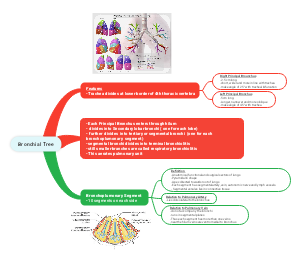
respiratory system
include
nasal cavity
Vestibule: It is the entrance to the nasal cavity. Nose hairs can block dust and other foreign matter in the air.
Respiratory part: including the inferior turbinate, middle turbinate, nasal passages and the mucosa in the middle and lower part of the nasal septum, which is light red because it is rich in blood vessels. The epithelium is pseudostratified, ciliated and columnar, with many goblet cells. This area is prone to bleeding when the mucosa is damaged.
olfactory part
Located on both sides of the upper part of the nasal septum, the superior turbinate and the top of the nasal cavity
The olfactory mucosa is brownish-yellow and is composed of thick pseudostratified columnar epithelium containing olfactory cells, supporting cells and basal cells, which is called olfactory epithelium.
Olfactory cells: spindle-shaped, sandwiched between supporting cells. The nucleus is located in the middle layer of the olfactory epithelium. It is a bipolar neuron and is the only sensory neuron located in the epithelium in the body.
supporting cells
Shape: Tall columnar, wide at the top, thin at the base, with many microvilli on the free surface
Location: Located in the superficial part of the olfactory epithelium, pigment granules are often visible in the cytoplasm
Role: Supporting cells and separating olfactory cells, equivalent to glial cells
Basal cells: Cone-shaped, located deep in the epithelium. They are stem cells that can proliferate and differentiate into olfactory cells and supporting cells.
throat
Using cartilage as a scaffold, the cartilage is connected with ligaments and muscles
Both parts of larynx and surface
Upper part: The mucosal epithelium is stratified and flat, with taste buds inside.
Base: pseudostratified ciliated columnar epithelium
trachea
Mucous membrane
composition
Epithelium: pseudostratified ciliated columnar epithelium
Ciliated cells: the most numerous, columnar, with dense cilia on the free surface. The cilia swing rapidly toward the pharynx, pushing mucus, adhered dust, bacteria, etc. to the pharynx and coughing them out to purify the inhaled air.
Goblet cells: more numerous, with the same shape as intestinal mucosal goblet cells. The secreted mucin and mixed gonad secretions form a mucus barrier on the epithelial surface, which can adhere to foreign particles in the air and dissolve inhaled toxic gases such as sulfur dioxide.
Brush cells: fewer, columnar, with neatly arranged microvilli on the free surface, shaped like a brush. The function of brush cells has not yet been determined.
Small granule cells: fewer, cone-shaped, regulate contraction of respiratory smooth muscles and secretion of glands
Basal cells: Cone-shaped, located deep in the epithelium. They are stem cells that can proliferate and differentiate into other types of cells in the epithelium. Aged ciliated cells and dorsal cells will continue to fall off
lamina propria
Submucosal layer: It is loose connective tissue with no obvious boundary with the lamina propria and adventitia. There are many mixed gonads in it, also called tracheal glands.
adventitia
Shape: thicker, mainly containing 16 to 20 c-type hyaline cartilage rings
Function: Smooth muscles contract during the cough reflex, narrowing the tracheal cavity and helping to clear sputum.
Main bronchus
Mucous membrane
submucosa
adventitia
The boundaries between the three layers are not obvious
lung
Lung surface: covered with serosa (visceral layer of pleura)
lung parenchyma
Parenchyma: The various levels of branches of the bronchi in the lungs and the large number of alveoli at their terminals
Interstitium: connective tissue and blood vessels, lymphatic vessels, nerves, etc.
divided into two parts
pulmonary airway
Lobar bronchi to small bronchi
Bronchioles: Decreased ciliated cells in the terminal bronchiolar epithelium, with the predominant cells being Clara cells without cilia.
respiratory part of lungs
respiratory bronchioles
alveolar ducts
Alveolar sacs
Alveoli
Function: It is the part of the lungs where gas exchange occurs and constitutes the main structure of the lungs.
composition
alveolar epithelium
Type I alveolar cells: epithelial cells have no proliferation ability and are replenished by type II alveolar cell proliferation and differentiation after injury.
Type II alveolar cells
Alveolar septum: lung macrophages play an important role in immune defense
alveolar pores
Equalizes inter-alveolar gas content
When the lungs are infected, it is a channel for the spread of bacteria
Air-blood barrier: The structure through which gas exchange occurs between the alveoli and the blood.
blood supply to lungs
pulmonary artery
Bronchial arteries: They are pulmonary nutrient vessels with small diameter and are muscular arteries.
structure
Respiratory part: From the respiratory bronchioles in the lungs to the alveoli at the end, it is the site of gas exchange
Air conduction part: conducts gas from the nasal cavity to the terminal bronchioles in the lungs