 Wondershare EdrawMind
MindMap Gallery Somatic therapy mind map
- 36
Somatic therapy mind map
This is a mind map about somatic treatment, including antidepressant drugs, antipsychotic drugs, anti-anxiety drugs, physical therapy, etc.
Edited at 2023-11-07 15:53:07
- bacteria
This is a mind map about bacteria, and its main contents include: overview, morphology, types, structure, reproduction, distribution, application, and expansion. The summary is comprehensive and meticulous, suitable as review materials.
- Plant asexual reproduction
This is a mind map about plant asexual reproduction, and its main contents include: concept, spore reproduction, vegetative reproduction, tissue culture, and buds. The summary is comprehensive and meticulous, suitable as review materials.
- Reproductive development of animals
This is a mind map about the reproductive development of animals, and its main contents include: insects, frogs, birds, sexual reproduction, and asexual reproduction. The summary is comprehensive and meticulous, suitable as review materials.
Somatic therapy mind map
- bacteria
This is a mind map about bacteria, and its main contents include: overview, morphology, types, structure, reproduction, distribution, application, and expansion. The summary is comprehensive and meticulous, suitable as review materials.
- Plant asexual reproduction
This is a mind map about plant asexual reproduction, and its main contents include: concept, spore reproduction, vegetative reproduction, tissue culture, and buds. The summary is comprehensive and meticulous, suitable as review materials.
- Reproductive development of animals
This is a mind map about the reproductive development of animals, and its main contents include: insects, frogs, birds, sexual reproduction, and asexual reproduction. The summary is comprehensive and meticulous, suitable as review materials.
- Recommended to you
- Outline
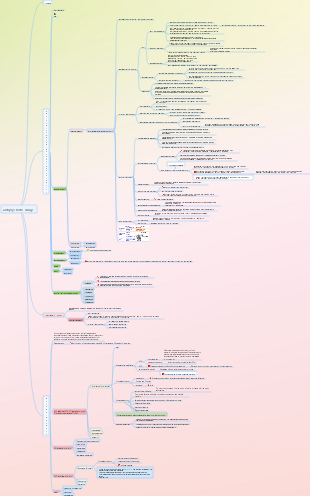
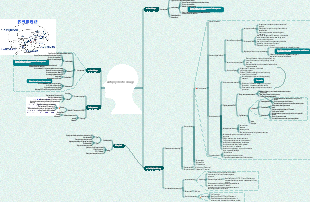
somatic therapy
Overview
1. Psychotherapy: physical therapy (internal medicine, surgery, physics), psychological therapy, work and entertainment therapy 2. Separation of psychiatric drugs: antipsychotics, antidepressants, mood stabilizers, anxiolytics 3. Drug metabolism characteristics: (1 ) Intestinal absorption (2) Liver metabolism (3) Urinary excretion (milk) (4) Most drugs are highly safe (5) High binding rate to plasma proteins, and excessive dialysis is ineffective (6) Plasma medicine takes about 2-4 hours after oral administration Concentration can reach peak
antipsychotic drugs
Classification: 1. First-generation antipsychotic drugs (typical): block central dopamine D2 receptors, which may produce extrapyramidal side effects and increase prolactin levels during treatment 2. Second-generation antipsychotic drugs (atypical): relatively Less extrapyramidal symptoms
Representative medicine
Mechanism of action: 1. D2 receptor blockade: (1) Mesolimbic pathway: related to antipsychotic effects (2) Mesocortical pathway: related to drug-induced negative symptoms and depression (3) Nigrostriatal pathway : Relevant to extrapyramidal side effects (4) Tuboinfundibular pathway from hypothalamus to pituitary gland: Relevant to increased prolactin levels 2. 5-HT receptor blockade [Potential antipsychotic effect]: 5-HT2/D2 receptor High ratio: ① Low incidence of extrapyramidal system ② Partially improve the negative symptoms of schizophrenia 3. Adrenoceptor blocking effect: block α1 receptor 4. Choline receptor blocking effect: block M1 receptor
Clinical application
Indications: 1. Treatment of schizophrenia and prevention of recurrence of schizophrenia 2. Control of manic episodes 3. Organic or non-organic mental disorders with psychotic symptoms
Contraindications: 1. Cardiovascular disease, liver and kidney disease, severe systemic infection 2. Hypothyroidism, adrenal insufficiency, myasthenia gravis, angle-closure glaucoma, previous allergy to the same drug 3. Low leukocytes, the elderly & Pregnant & lactating women should use with caution
Usage and dosage
Methods: Oral, parenteral administration Dosage forms: tablets, injections, long-acting preparations, drops Dosage: Start with a small dose, increase the dose slowly, and use the minimum dose to control symptoms. Single medication, individualized.
Course of treatment
Acute phase [first attack, recurrence, worsening]
Positive symptoms: 1. Excitement and agitation: chlorpromazine, haloperidol, clozapine, olanzapine 2. Hallucinations and delusions: chlorpromazine, perphenazine, sulpiride, olanzapine, risperidone, quetiapine 3. Associative disorder 4. Weird behavior 5. Hostile attack
Negative symptoms: 1. Chronic stage or slow onset 2. Apathy and withdrawal 3. Poor thinking 4. Lack of will
Medications: clozapine, olanzapine, risperidone, quetiapine, aripiprazole
Consolidation period
Maintenance treatment: 1. At least 2 years for first-time patients; 2. 3-5 years for patients with one recurrence; 3. >5 years for patients with multiple recurrences.
Adverse reactions and treatment
Extrapyramidal reaction (EPS)
1. Dystonia (earliest appearance) 2. Akathisia 3. Parkinson-like disease 4. Tardive dyskinesia
Other neurological adverse reactions
malignant syndrome
Clinical features: 1. High fever 2. Muscle stiffness 3. Fluctuation of consciousness 4. Autonomic nerve dysfunction 5. Elevated serum creatine kinase (CPK)
Commonly seen in: treatment with haloperidol, chlorpromazine, and fluphenazine
1. Early detection and comprehensive treatment 2. Stop medication and replenish fluids 3. Correct acidosis 4. Mediate electrolyte imbalance 5. Anticholinergic drugs should not be used 6. Muscle relaxant: nifedipine 7. DA agonist: bromocriptine
epileptic seizure
1. More common in: clozapine, chlorpromazine, thioridazine treatment 2. Treatment: (1) Dressing change: haloperidol, aripiprazole, risperidone, amisulpride (2) Add antiepileptic drugs
Autonomic adverse reactions
1. M-receptor blockade: (1) Dry mouth, blurred vision, difficulty urinating, constipation, memory loss (2) Severe cases: urinary retention, paralytic ileus, oral infection 2. Alpha adrenergic blocking effect : Orthostatic hypotension, reflex tachycardia, sexual function inhibition 3. Treatment: Head-down, infusion, norepinephrine, metahydroxylamine 4. Epinephrine is prohibited
Metabolic endocrine side effects
prolactin, growth hormone, antidiuretic hormone, insulin
mental side effects
Excessive sedation, cognitive impairment, depression
cardiac related adverse reactions
1. Thioridazine can cause prolongation of the QT interval of the electrocardiogram---in severe cases, torsade de pointes arrhythmia---a very small number may develop into ventricular fibrillation or sudden death. 2. The elderly and hypokalemia are prone to this
Other adverse reactions
1. Hepatotoxicity 2. Asthma 3. Edema 4. Arthritis 5. Skin side effects: drug rash (1) Commonly seen with Hibiscus (2) Face, trunk, limbs (3) Can disappear after stopping the drug (4) Severe cases: Deprivation dermatitis (5) Purple-gray pigmentation 6. Agranulocytosis: Commonly seen with clozapine---discontinuation, antibiotics, cortisol, blood transfusion
overdose poisoning
1. Earliest signs: turbidity or agitation, dystonia, convulsions, epileptic seizures 2. Severe hypotension, arrhythmia, hypothermia 3. Treatment: gastric lavage, massive infusion, anti-epileptic drugs, blood pressure increase 4. E is prohibited
Summarize
antidepressants
Function: 1. Mainly used to treat various depressive states such as low mood, depression and negativity, lack of motivation, etc. 2. Partially effective for obsessive-compulsive, panic, anxiety, hypochondriasis and chronic pain.
Classification
New antidepressant drugs
Common advantages: 1. Effective antidepressant effect 2. Good effect on associated anxiety 3. Good safety 4. Easy to use 5. Good tolerance 6. Few and mild side effects 7. Good long-term efficacy 8. Lifestyle Improved quality 9. Good health and economic effects
type
(1) Selective 5-HT reuptake inhibitors (SSRIs)
Advantages: 1. Its efficacy is equivalent to that of TCAs 2. T1/2 is long and the dosage is simple 3. Cardiovascular and anticholinergic side effects are mild 4. Main side effects: gastrointestinal reactions, insomnia, restlessness, etc., mostly transient 5 , avoid using it with MAOIS
Types: 1. Fluoxetine: suitable for various depression, obsessive-compulsive disorder, anorexia 2. Paroxetine: suitable for depression and panic disorder accompanied by anxiety 3. Sertraline: suitable for various depression and obsessive-compulsive disorder Symptom 4. Fluvoxamine: suitable for various depression and obsessive-compulsive disorder 5. Citalopram & Escitalopram
(2) Selective 5-HT and NE reuptake inhibitors: 1. Venlafaxine 2. Duloxetine: Use with caution in patients with chronic alcoholism and liver insufficiency. Do not use in untreated narrow-angle glaucoma. 3. Mi Napron
(3) NE-ergic and specific 5-HT-ergic antidepressants (NaSSA): 1. Mechanism: Blocks central presynaptic adrenergic α2 autoreceptors to enhance the release of NE and 5-HT from the presynaptic membrane. Release 2. Representative drugs: mirtazapine, mianserin
(4) NE and DA reuptake inhibitors (NDRIS): 1. Characteristics: No effect on appetite and sexual desire, high doses can induce epilepsy 2. Representative drug: bupropion
(5) Selective norepinephrine reuptake inhibitor (NRI): 1. Mechanism: Selectively blocks NE reuptake 2. Representative drug: Reboxetine
(6) 5-HT receptor antagonists and 5-HT reuptake inhibitors (SARIS): 1. Effect: strong sedative and anxiolytic effects, fewer adverse reactions than SSRIS, and no impact on sexual function 2. Representative drugs: Qu azodone, vortioxetine
traditional antidepressants
(1) Tricyclic antidepressants: 1. Mechanism: (1) Blocks the reuptake of NE and 5-HT (2) Blocks M1, α1, and H1 receptors 2. Effect: Can only invigorate depressed patients Low mood 3. Clinical application: (1) Indications: endogenous depression, dysthymia, reactive depression, organic depression, anxiety disorder, phobia, obsessive-compulsive disorder, panic attack, childhood enuresis (2) Contraindications Symptoms: severe heart, liver and kidney disease, neutropenia, glaucoma, prostatic hypertrophy, first trimester of pregnancy (3) Use with caution: epilepsy, the elderly (4) Drug selection: see book P279 (5) Treatment: ① Electroshock in serious suicides Treatment ② Consolidation therapy: effective therapeutic dose for 4-6 months ③ Maintenance therapy: small enough to maintain optimal efficacy for ≥ 6 months (6) Adverse reactions and treatment: ① Anticholinergic side effects [most common]: dry mouth , constipation, blurred vision, urinary retention, intestinal paralysis---reduce and change dressings, anticholinergic drugs ② Central N system side effects ③ Cardiovascular side effects [most important]: orthostatic hypotension, cardiac arrhythmias ④ Sexual aspects Side effects ⑤ weight gain ⑥ allergic reaction ⑦ poisoning: Swallowing 1.25g at one time can be fatal --- triad: coma, epileptic seizure, arrhythmia
(2) Monoamine oxidase inhibitors: 1. You can switch to other drugs after stopping the drug for 2 weeks. 2. They are divided into irreversible MAOIs and reversible MAOIs.
Mood stabilizers (antimanic drugs)
1. Mood stabilizers: lithium carbonate, valproate, carbamazepine 2. New generation antipsychotics: olanzapine, risperidone, quetiapine, aripiprazole 3. Traditional antipsychotics: chlorprofen Azine, haloperidol4, benzodiazepines
Lithium carbonate: 1. Mechanism of action: (1) Does not bind to protein and is distributed in the water-containing space in the body (2) Does not require biological transformation (3) It is eventually eliminated by the kidneys and competes with sodium for reabsorption in the kidneys. It may be caused by sodium deficiency or renal failure. Lithium poisoning (4) The elimination half-life is about 22 hours, and the steady state is reached in 4-5 days. 2. Indications: (1) The first choice for the treatment of mania and bipolar disorder (2) Prevent manic episodes (3) Treatment and prevention of depressive or manic episodes in patients with bipolar disorder (4) Schizophrenia accompanied by mood disorders and excitement and agitation 3. Contraindications: (1) Acute and chronic nephritis (2) Renal insufficiency (3) Severe cardiovascular disease (4) Myasthenia gravis (5) First 3 months of pregnancy (6) Sodium deficiency and low-salt diet 4. Use with caution: (1) Parkinson's disease (2) Epilepsy (3) Diabetes (4) Hypothyroidism (5) Neurodermatitis (6) Senile cataract 5. Medication process It is necessary to monitor the lithium concentration --- Ⅰ. Maintain the blood concentration at 0.6-1.2mmol/L in the acute phase Ⅱ. Maintain the therapeutic blood concentration at 0.4-0.8mmol/L, otherwise lithium poisoning: (1) Clinical manifestations of ataxia and limb movement Coordination disorder, muscle twitching, slurred speech, disturbance of consciousness, coma, and death in severe cases (2) Treatment: discontinuation of medication, large amounts of normal saline, hypertonic sodium salt, and osmotic diuresis
Anti-epileptic drugs: 1. Sodium valproate: used for rapid cycling bipolar disorder, gastrointestinal reactions, contraindicated in pregnant women 2. Carbamazepine: (1) used for ineffective lithium salt treatment, intolerance to lithium treatment, Rapid cycling episodes of mania (2) Side effects: anticholinergic, rash, exfoliative dermatitis, liver function abnormalities, leukopenia and thrombocytopenia 3. Lamotrigine: the only one more effective for bipolar depression than mania
anti-anxiety medications
1. Benzodiazepines (stable drugs): 1. Pharmacological effects: (1) Anti-anxiety effect (2) Sedative-hypnotic effect (3) Anti-convulsant effect (4) Skeletal muscle relaxant effect 2. Indications: a. Neurosis b. Insomnia c. Symptoms of anxiety and depression associated with physical diseases d. Symptoms of anxiety and depression associated with mental illness e. Agitation depression f. Epilepsy g. Symptoms of acute alcohol withdrawal 3. Contraindications: Severe cardiovascular disease Disease, drug allergy, drug dependence, kidney disease, alcohol addiction, first three months of pregnancy, glaucoma, myasthenia gravis, poisoning with central nervous system depressants 4. Usage: Start with a small dose---the therapeutic amount---slightly reduce 5. Side effects: The most common ones are drowsiness, excessive sedation, impaired intellectual activity, impaired memory, and reduced coordination of movements.
2. 5-HT1A receptor partial agonists: buspirone, tandospirone
Physiotherapy
1. Improve electroconvulsive treatment = electroconvulsive therapy --- used in serious suicides 2. Non-convulsive electroconvulsive therapy: use anesthesia or muscle relaxants --- no convulsions after electricity is applied
Indications: 1. Severe depression, strong self-injury, suicidal behavior or attempt, obvious self-blame and self-crimination 2. Extreme excitement and restlessness, impulse to hurt others 3. Refusal to eat, disobedience, catatonic stupor 4. Ineffective or incapable of drug treatment Contraindications for those who tolerate: 1. Organic brain diseases: intracranial space-occupying lesions, cerebrovascular diseases, central nervous system inflammation and trauma, brain tumors, and cerebral aneurysms 2. Cardiovascular diseases: coronary heart disease, myocardial infarction, hypertension, arrhythmia, aortic aneurysm, cardiac insufficiency 3. Acute diseases: systemic infection, fever, severe respiratory disease, liver and kidney disease, and after taking reserpine 4. Others: bone and joint diseases, especially recent fractures, glaucoma, the elderly, children, pregnant women
3. Transcranial Magnetic Stimulation Treatment: No need for paralysis, disorientation and cognitive impairment