MindMap Gallery Guan Zong Writing·Lao Lu 33 articles Scientific decision-making mind map
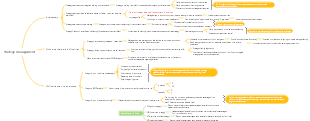
This is an article about Guan Zong Writing·Lao Lu 33: Scientific decision-making mind map, including necessary, beneficial, and difficulties can be overcome, etc.
Edited at 2023-11-06 12:35:48This is a mind map about bacteria, and its main contents include: overview, morphology, types, structure, reproduction, distribution, application, and expansion. The summary is comprehensive and meticulous, suitable as review materials.

This is a mind map about plant asexual reproduction, and its main contents include: concept, spore reproduction, vegetative reproduction, tissue culture, and buds. The summary is comprehensive and meticulous, suitable as review materials.
This is a mind map about the reproductive development of animals, and its main contents include: insects, frogs, birds, sexual reproduction, and asexual reproduction. The summary is comprehensive and meticulous, suitable as review materials.
This is a mind map about bacteria, and its main contents include: overview, morphology, types, structure, reproduction, distribution, application, and expansion. The summary is comprehensive and meticulous, suitable as review materials.
This is a mind map about plant asexual reproduction, and its main contents include: concept, spore reproduction, vegetative reproduction, tissue culture, and buds. The summary is comprehensive and meticulous, suitable as review materials.
This is a mind map about the reproductive development of animals, and its main contents include: insects, frogs, birds, sexual reproduction, and asexual reproduction. The summary is comprehensive and meticulous, suitable as review materials.
Scientific decision-making
Is necessary
Scientific decision-making is the prerequisite for solving problems
Three steps to solve problems: problem identification, problem diagnosis, and action selection
Any problem in any link will make the problem difficult to solve
Scientific decision-making is the key to seizing opportunities
Various opportunities arise when market demand changes significantly
Opportunity is suitable
Opportunity not suitable
Make a choice (scientific decision-making)
Scientific decision-making is a requirement of scarce resources
All resources are limited (resource scarcity assumption)
Maximize limited resources (top priority)
Scientific decision-making → optimize the use of resources
There are benefits
Decisions determine the fate of an organization
Decision-making is to choose the most suitable solution for the enterprise among multiple feasible solutions.
Strategic decisions are particularly important
Different decisions lead organizations to different destinations and strategic decisions determine the success or failure of an organization.
Decision-making affects management effectiveness
decision → path selection
Good to go
Not easy to walk
Management→How to take this path
The road is easier to navigate and management is more efficient
The road is difficult and management is difficult
Of course there are difficulties
Information asymmetry affects the scientific nature of decision-making
Making decisions using incomplete, one-sided information
prone to risks
Relying on past information to make decisions
Decisions are made for the future
Uncertainty about the future increases decision-making risks
Managers’ own limitations affect the scientific nature of decision-making
There are limitations in managers’ ability to use information for decision-making
Manager’s own risk appetite
Radicals take too many risks; conservatives tend to miss opportunities.
Difficulties can be overcome
Solve the problem of information asymmetry
1. Conduct sufficient research
Research information must be comprehensive
Macro (national policies, market environment, etc.)
Micro (related to decision-making: business conditions, existing problems, etc.)
2. Filter information well
The scientific degree of decision-making depends on the accuracy of decision-making information
Avoid managers’ own limitations affecting the scientific nature of decision-making
1. Improve one’s decision-making ability
Learn knowledge related to scientific decision-making (strategic management, data analysis, etc.)
Control your own risk appetite
Neither too radical nor too conservative → Make rational decisions
2. Establish an effective decision-making mechanism
Brainstorming
Collect more creative suggestions
Delphi method
Listen to expert opinions (listen → summarize feedback → listen again → summarize feedback again until final opinion is formed)