MindMap Gallery (1) Essentialism 1-Introduction to Art
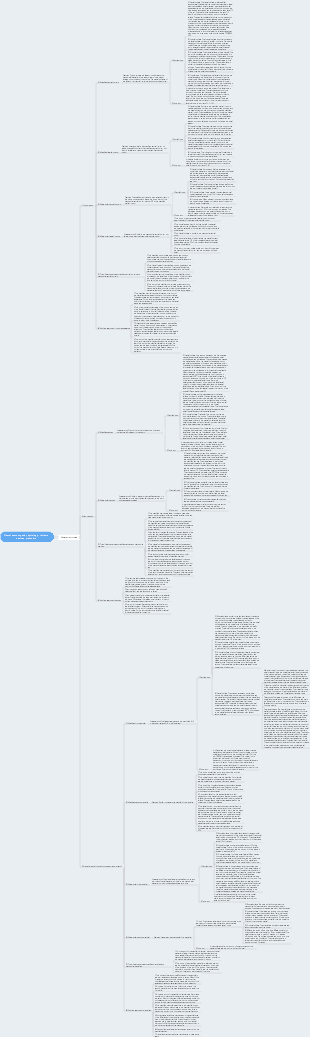
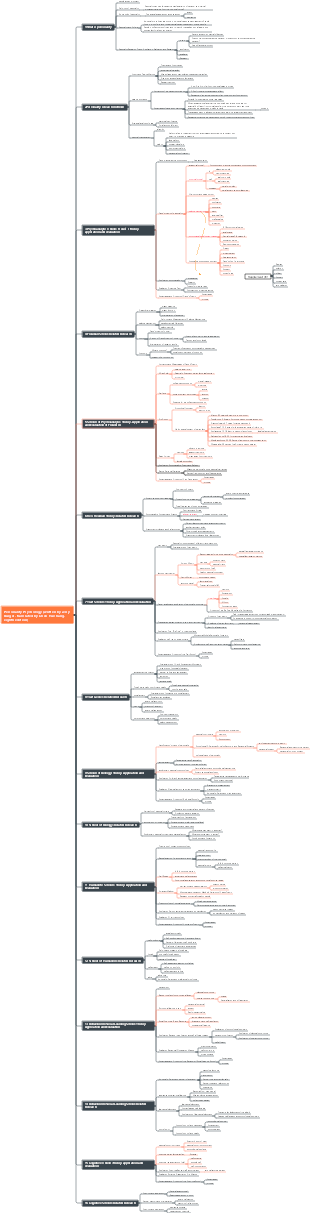
This is an article about essentialism 1-an introduction to art, including the social essence of art, the essence of art, the aesthetic essence of art, etc. Hope this helps!
Edited at 2023-11-05 21:58:41This is a mind map about bacteria, and its main contents include: overview, morphology, types, structure, reproduction, distribution, application, and expansion. The summary is comprehensive and meticulous, suitable as review materials.

This is a mind map about plant asexual reproduction, and its main contents include: concept, spore reproduction, vegetative reproduction, tissue culture, and buds. The summary is comprehensive and meticulous, suitable as review materials.
This is a mind map about the reproductive development of animals, and its main contents include: insects, frogs, birds, sexual reproduction, and asexual reproduction. The summary is comprehensive and meticulous, suitable as review materials.
This is a mind map about bacteria, and its main contents include: overview, morphology, types, structure, reproduction, distribution, application, and expansion. The summary is comprehensive and meticulous, suitable as review materials.
This is a mind map about plant asexual reproduction, and its main contents include: concept, spore reproduction, vegetative reproduction, tissue culture, and buds. The summary is comprehensive and meticulous, suitable as review materials.
This is a mind map about the reproductive development of animals, and its main contents include: insects, frogs, birds, sexual reproduction, and asexual reproduction. The summary is comprehensive and meticulous, suitable as review materials.
essentialism
social nature of art
The place of art in society
1. Art is a social ideology and the superstructure of the economic base.
2. The relationship between art and other ideologies
(1) Art is determined by economic foundation
(2) Art has relative independence and particularity
3. Art is a special social ideology
4. The relationship between art and the “middle link” (short answer, fill in the blanks)
(1) The relationship between art and politics
(2) The relationship between art and morality
5. The relationship between art and ideologies such as religion and philosophy (short answer)
(1) The relationship between art and religion
Fundamentally speaking, it is a denial of art
Serve it under certain conditions
When art develops to a certain stage, it will regain its independence and in turn use religion to realize its own essence.
Art and religion are both determined by the economic base
(2) The relationship between art and philosophy
art and social life
1. Art comes from social life and is a reflection of social life.
2. Art reflects comprehensive social life
art and social production
1. Art is a special form of production, that is, a form of spiritual production.
The connotation of art:
(1) The practical nature of artistic activity production
(2) Artistic activities are a “special way” of “spiritual production” that exists corresponding to “material production”
2. The significance of art as artistic production
(1) The fundamental purpose is to meet the spiritual needs of the people
(2) Although works of art have some exchange value, they are aesthetic in nature.
(3) Strive to contribute the best spiritual food to the people
the nature of art
1. Art “masters the world” in a unique way
1. Art is an active understanding of the world
2. Art “masters” the world in four unique ways
(1) Theoretical (philosophical, scientific) approach
(2) Artistic way
(3) Religious way
(4) Practice-spiritual way
3. The way art controls the world:
(1) Creative imagination activities using images
(2) The focus of understanding is the characteristics, individuality and beauty of things, revealing the essence and universality of things in highly generalized, concrete and perceptible forms and images, showing the general in the individual and the universal in the particular
2. Art uses images to reflect the world
1. Imagery is the basic feature of art
Three major features:
specificity, generality, infectiousness
2. Artistic image is the unity of sensibility and rationality
3. Artistic image is the unity of subjectivity and objectivity
3. Art reflects the authenticity of the world
1. Art reflects the authenticity of the objective world
Representational artistic connotation (explanation)
(1) Representation refers to the artist’s specific depiction of the objective objects or social life he knows in his works.
(2) Emphasis on realism in creative techniques
(3) The creative tendency focuses on understanding objects and imitating reality.
2. Art reflects the authenticity of the world - the reality of expression
Expressive artistic connotation
·Refers to the artist's use of artistic expression methods to express his or her emotional experience and aesthetic ideals
3. Artistic truth is the unity of reproducing reality and expressing reality
4. Highly realistic artistic images and artistic models
(1) Art typical (fill in the blank)
Artistic models are highly realistic and highly generalized artistic images.
(2) Typical characteristics of art (multiple choices)
·Closely related to the essence of social life, the universality and commonality of things and people
·The vivid and vivid phenomena, individuality or particularity express the essence, commonality or universality of things in a concentrated way
·Reflect the unique personality and creation of the creative subject
aesthetic nature of art
1. The relationship between art and beauty
1. Art reflects the beauty of reality
Two major categories (natural beauty, social beauty)
2. Art creates artistic beauty
·Connotation
Artistic beauty refers to the beauty of works of art, which is the beauty of things that are produced by the aesthetic cognition of the creative subject and created in accordance with the laws of beauty and for the purpose of beauty.
·Features
(1) Artistic beauty is the aesthetic creation of human beings who are purposeful and regular.
(2) Artistic beauty is a higher level of beauty
(3) Artistic beauty is a concentrated expression of the aesthetic understanding of reality
(4) Artistic beauty is the beauty of the second reality created by the artist based on the reality of beauty.
3. Art is an aesthetic object
2. The aesthetic nature of art
The aesthetic relationship between people and reality
·Connotation:
Refers to the aesthetic relationship between the aesthetic subject and the aesthetic object
·Conditions for establishing aesthetic relationships:
(1) Human production practice activities
(2) Human essential power has aesthetic needs
3. The role and status of emotion in art
1. General aesthetic characteristics of art
(1) The practicality and subjectivity of art
(2) Purpose and regularity of art
(3) The most fundamental characteristic of art is imageability
(Image is the core of the aesthetic characteristics of all literature and art)
(4) Formal beauty and sense of form associated with imageability
(5) Creativity
·Creativity is the common aesthetic quality of all categories
2. Emotional characteristics of art
·Connotation:
Emotion is a special form of human reflection of objective reality
All literature and art are emotional arts. Without emotions, there would be no art.
Susan Lange, a representative figure in semiotic aesthetics, defines art as: “the creation of symbolic forms of human emotions.”
·importance
Aesthetic emotions are not ordinary emotions, but a special psychological phenomenon that accompanies aesthetic understanding.
Aesthetic emotions in art appreciation are produced along with aesthetic knowledge and aesthetic understanding.
4. Characteristics of art (fill in the blanks)
1. Imagery
·The unity of objective and subjective
·Unity of content and form
·The unity of individuality and commonality
2. Subjectivity
·Artistic creation has the characteristics of subjectivity
·Art works have the characteristics of subjectivity
·Art appreciation has the characteristics of subjectivity
3. Aesthetics
·The concentrated expression of human aesthetic consciousness
·It is the crystallization of truth, goodness and beauty
·It is the unity of content beauty and form beauty