 Wondershare EdrawMind
MindMap Gallery Molecules and Cells, a required course in high school biology
- 41
Molecules and Cells, a required course in high school biology
High school biology compulsory course one, which mainly introduces the introduction of cells, The molecules that make up cells, the material input and output of cells, the basic structure of cells, etc.
Edited at 2024-02-06 05:59:47
- New Employee First - week Onboarding Plan
Mappa mentale per il piano di inserimento dei nuovi dipendenti nella prima settimana. Strutturata per giorni: Giorno 1 – benvenuto, configurazione strumenti, presentazione team. Secondo giorno – formazione su policy aziendali e obiettivi del ruolo. Terzo giorno – affiancamento e primi task guidati. Il quarto giorno – riunioni con dipartimenti chiave e feedback intermedio. Il quinto giorno – revisione settimanale, definizione obiettivi a breve termine e integrazione culturale.
- Analisi del campo di allenamento inglese
Mappa mentale per l’analisi della formazione francese ai Mondiali 2026. Punti chiave: attacco stellare guidato da Mbappé, con triplice minaccia (profondità, taglio, sponda). Criticità: centrocampo poco creativo – la costruzione offensiva dipende dagli attaccanti che arretrano. Difesa solida (Upamecano, Saliba, Koundé). Portiere Maignan. Variabili: gestione infortuni e condizione fisica dei big. Ideale per scout, giornalisti e tifosi.
- Analisi della lineup francese
Mappa mentale per l’analisi della formazione francese ai Mondiali 2026. Punti chiave: attacco stellare guidato da Mbappé, con triplice minaccia (profondità, taglio, sponda). Criticità: centrocampo poco creativo – la costruzione offensiva dipende dagli attaccanti che arretrano. Difesa solida (Upamecano, Saliba, Koundé). Portiere Maignan. Variabili: gestione infortuni e condizione fisica dei big. Ideale per scout, giornalisti e tifosi.
Molecules and Cells, a required course in high school biology
- New Employee First - week Onboarding Plan
Mappa mentale per il piano di inserimento dei nuovi dipendenti nella prima settimana. Strutturata per giorni: Giorno 1 – benvenuto, configurazione strumenti, presentazione team. Secondo giorno – formazione su policy aziendali e obiettivi del ruolo. Terzo giorno – affiancamento e primi task guidati. Il quarto giorno – riunioni con dipartimenti chiave e feedback intermedio. Il quinto giorno – revisione settimanale, definizione obiettivi a breve termine e integrazione culturale.
- Analisi del campo di allenamento inglese
Mappa mentale per l’analisi della formazione francese ai Mondiali 2026. Punti chiave: attacco stellare guidato da Mbappé, con triplice minaccia (profondità, taglio, sponda). Criticità: centrocampo poco creativo – la costruzione offensiva dipende dagli attaccanti che arretrano. Difesa solida (Upamecano, Saliba, Koundé). Portiere Maignan. Variabili: gestione infortuni e condizione fisica dei big. Ideale per scout, giornalisti e tifosi.
- Analisi della lineup francese
Mappa mentale per l’analisi della formazione francese ai Mondiali 2026. Punti chiave: attacco stellare guidato da Mbappé, con triplice minaccia (profondità, taglio, sponda). Criticità: centrocampo poco creativo – la costruzione offensiva dipende dagli attaccanti che arretrano. Difesa solida (Upamecano, Saliba, Koundé). Portiere Maignan. Variabili: gestione infortuni e condizione fisica dei big. Ideale per scout, giornalisti e tifosi.
- Recommended to you
- Outline
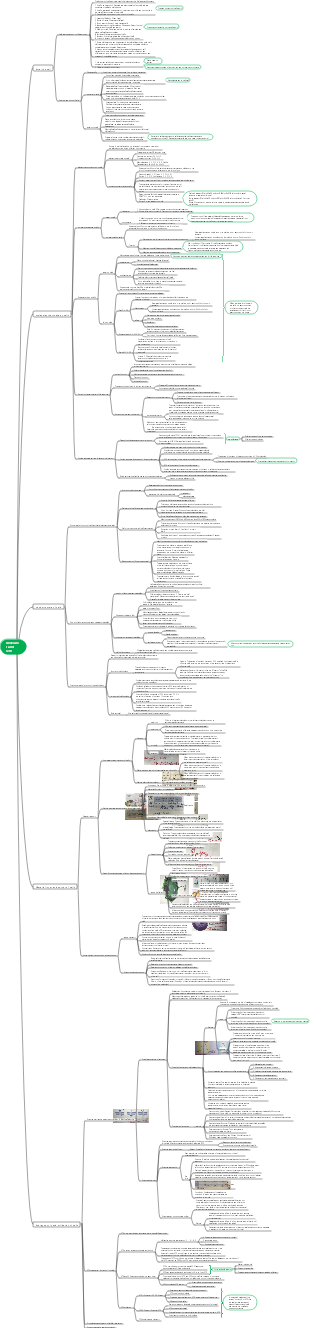
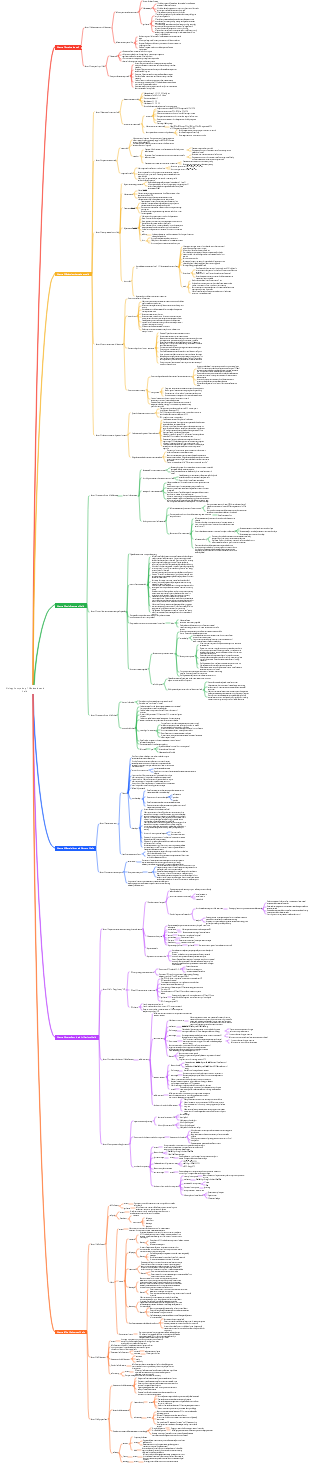
molecules and cells
Enter the cell
Cells are the basic unit of life activities
The founders of cell theory are mainly German scientists Schleiden and Schwann
1. A cell is an organism. All animals and plants develop from cells and are composed of cells and cell products. 2. A cell is a relatively independent unit that has its own life and contributes to the overall life composed of other cells. 3. New cells are produced by the division of old cells.
The main contents of cell theory
1. Vesalius of Belgium: Organ Level 2. Bichat in France: Organizational level 3. British scientist Robert Hooke: named cells 4. Leeuwenhoek of the Netherlands: Observed different forms of bacteria, red blood cells and sperm 5. Malbighi in Italy: Observed the fine structures of animals and plants, cell walls, and cytoplasm 6. Schleiden: Plants are composed of cells 7. Schwann: Animal bodies are also composed of cells. 8. Virchow, Germany: Cells produce new cells through division
The process of establishing the cell theory
1. Single-cell organisms can independently complete life activities, while multi-cell organisms rely on various differentiated cells to cooperate closely to complete a series of complex life activities. 2. Various physiological activities of animals and plants based on cell metabolism, growth and development based on cell proliferation and differentiation, and inheritance and variation based on the transmission and changes of intracellular genes.
1. Life system: cell tissue-organ-system-individual-population-community-ecosystem-biosphere 2. Cells are the basic living system
Plants have no system
Ecosystems are composed of communities and inorganic environments
Diversity and Unity of Cells
Observe cells
Use of high-power microscopes: find, shift and transpose
prokaryotic cells
No nucleus bounded by a nuclear membrane
A thin blue thread (chlamydia, mycoplasma, cyanobacteria, bacteria, actinomycetes), lactic acid bacteria, rickettsiae
Mycoplasma has no cell wall
Bacterial cell wall: peptidoglycan. Most types of bacteria are saprotrophic or parasitic. They are heterotrophs and have cell walls, cell membranes, and cytoplasm.
There is a nucleoid, no nuclear membrane, nucleolus, chromosomes, and nuclear pores; only ribosomes and naked circular DNA
Cyanobacteria: Chromococcus cyanobacteria, Oscillator cyanobacteria, Candida cyanobacteria, Nostoc cyanobacteria; have phycocyanin and chlorophyll, can carry out photosynthesis, and are autotrophs
eukaryotic cells
There is a nucleus bounded by a nuclear membrane
Plants, animals, fungi (mushrooms, yeasts, molds), brown algae, Chlamydomonas, Volvox, green algae, red algae, amoeba, Euglena, Paramecium
Plant cell wall: cellulose and pectin; higher terrestrial fungal cell wall: chitin
There are formed nuclei, nuclear membranes, nucleoli, nuclear pores, chromosomes, and various organelles
Prokaryotic cells and eukaryotic cells have similar cell membranes and cytoplasm, both use DNA as genetic material, and both have ribosomes (unity)
molecules that make up cells
elements and compounds in cells
Source: In the final analysis, it is obtained from inorganic nature, but the relative content is very different from nature.
elements that make up cells
There are more than 20 common ones
Fresh weight content: O>C>H>N Dry weight content: C>O>N>H
Macroelements: C, H, O, N, P, S, K, Ca, Mg Trace elements: Fe, Mn, B, Zn, Mo, Cu
compounds that make up cells
Existence form: Most of the various elements that make up cells exist in the form of compounds, and a few exist in the form of ions.
Carbohydrates: C, H, O, lipids: C, H, O, (N, P) Protein: C, H, O, N, Nucleic acid: C, H, O, N, P
Content: water>protein>lipid>inorganic salt>saccharide and nucleic acid
The substance that accounts for the most fresh weight of the cell is water, the most abundant compound in the cell is water, and the most abundant organic compound is protein.
Reducing sugar Fehling's reagent (water bath heated to 50-65°C) = brick red precipitate Fat Sudan III dye=orange Protein Diuretic reagent = purple
Fehling's reagent: 0.1g/mlNaOH solution 0.05g/mlCuSO4 solution (mix equal amounts, prepare now for use) Biuret reagent: 0.1g/mlNaOH solution 0.01g/mlCuSO4 solution (shake A first, then less B) Sudan III dye solution: the dye solution needs to be washed and any excess should be removed
inorganic substances in cells
water in cells
free water
1. A good solvent in cells 2. Participate in many biochemical reactions 3. Provide a liquid environment 4. Transport nutrients and metabolic wastes
bound water
1. Mainly combined with proteins, polysaccharides and other substances 2. An important component of cell structure 3. Related to resistance to adverse environments
3. The proportion of free water will gradually decrease in winter, while the proportion of bound water will increase to prevent excessive free water from freezing and damaging itself when the temperature drops.
inorganic salts in cells
Existence form: Most inorganic salts in cells exist in the form of ions, and a small number exist in the form of compounds.
Function
Participate in the formation of certain important compounds
Saturated fatty acids: single bond, high melting point, easy to solidify, found in animals Unsaturated fatty acids: double bonds, low melting point, difficult to solidify, found in plants
Maintain normal life activities of cells and organisms
Mg → chlorophyll, Fe → heme, P → cell membrane, nucleus Na ion: Lack of it will cause the excitability of nerve and muscle cells to decrease, causing muscle soreness and weakness, etc. Ca ions: deficiency can cause convulsions, etc.
Maintain acid-base balance and osmotic pressure
Sugars and lipids in cells
sugars in cells
Monosaccharides: glucose, fructose, galactose, ribose, deoxyribose
Glucose is the main energy substance required for life activities
disaccharide
Plants: sucrose (glucose), maltose (glucose)
Animals: Lactose (Galactose)
polysaccharide
Starch: the most common polysaccharide, an energy storage material in plants
Glycogen: an energy storage substance in the liver and muscles of humans and animals
Cellulose: plant stems and leaves, plant cell walls
Chitin: also called chitin, used to make food packaging paper and food additives, artificial skin
Added sugar: no more than 50g, preferably less than 25g, excluding naturally occurring sugars
lipids in cells
The more H and the less O, the more energy can be released
Fat (C, H, O)
An ester formed by the reaction of three molecules of fatty acid and one molecule of glycerol
Classification
Saturated fatty acids: single bond, high melting point, easy to solidify, found in animals
Unsaturated fatty acids: double bonds, low melting point, difficult to solidify, found in plants
effect
Fat is a good energy storage material in cells
Very good insulator
Insulation
Has buffering and decompression effects
When there is a lot of sugar in the cells, it is easy to convert into fat, but when there is a small amount of fat, it is not easy to convert into sugar.
Phospholipids (C, H, O, N, P)
Role: An important component of cell membranes and a component of various organelle membranes
Distribution: human and animal egg cells, brain, liver, soybean seeds
Sterols (C, H, O)
Cholesterol: an important component of cell membranes; involved in lipid transport in the blood in the human body
Sex hormones: Promote the development of human and animal reproductive organs and the formation of germ cells
Vitamin D: Effectively promotes the intestinal absorption of calcium and phosphorus in humans and animals
Protein is the main carrier of life activities
protein function
Important substances that make up the structure of cells and organisms, called structural proteins
Able to regulate the body’s vital activities (insulin)
Most enzymes are proteins, and enzymes have catalytic functions
Transport function
Immune Function
The basic building blocks of protein—amino acids
There are 21 types of amino acids that make up protein
Amino acid molecular structure general formula
Protein structure and its diversity
Reasons for structural diversity
The type, number, and order of amino acids are different
The number of peptide chains and the spatial structure formed by coiling and folding are different.
Protein structure fits its function
protein denaturation
The specific spatial conformation of proteins is destroyed under the action of certain physical and chemical factors, resulting in changes in their physical and chemical properties and loss of biological activity (irreversible, unchanged peptide bonds, changes in spatial structure)
Conditions: heating, adding acid, adding alcohol, heavy metal salts, adding alkali, pressurizing, stirring, shaking
Salting out: adding neutral salt to the protein aqueous solution, as the salt concentration increases, the egg The phenomenon of white matter precipitation (reversible, peptide bonds and spatial structure remain unchanged)
Nucleic acids are carriers of genetic information
Types of nucleic acids and their distribution
Deoxyribonucleic acid (DNA): methyl green (green), mainly distributed in the nucleus, with a small amount distributed in mitochondria and chloroplasts
Ribonucleic acid (RNA): Parared (red), mainly distributed in the cytoplasm
the difference
Different types of five-carbon sugars
Different types of bases
Nucleic acids are long chains of linked nucleotides
Nucleotides are the basic building blocks of nucleic acids
A nucleotide is composed of one N-containing base molecule, one five-carbon sugar molecule, and one phosphate molecule.
DNA: a long chain of two deoxyribonucleotides linked together
The genetic information of organisms is stored in DNA molecules
Diversity: number and order of deoxynucleotides
Arrangement sequence stores genetic information
RNA: a long chain of linked ribonucleotides, a
Nucleic acids are substances that carry genetic information in cells and play an extremely important role in genetic variation and protein biosynthesis of organisms.
Biological macromolecules use carbon chains as skeletons
Polysaccharides, proteins, and nucleic acids are all biological macromolecules
Carbon is the core element of life
basic structure of cells
Structure and function of cell membrane (plasma membrane)
function of cell membrane
Separates cells from the outside environment
Controlling the movement of substances in and out of cells
exchange information between cells
receptor
plasmodesmata
Exploration of cell membrane components
Irvington: Cell membranes are made of lipids
The lipids in cell membranes include phospholipids and cholesterol, with phospholipids being the most abundant.
Dutch Gott and Grendel: Phospholipid molecules in the cell membrane must be arranged into two consecutive layers
British Danielle and Davidson: May also have protein attached
Exploring the structure of cell membranes
Mainly composed of 50% lipid, 40% protein, and 2% to 10% carbohydrate
The more complex the function of the cell membrane, the greater the types and quantities of proteins.
Robertson: protein (dark) – lipid (light) – protein (dark)
Propose a hypothesis: 1 propose a hypothesis 2 revise and supplement 3 accept or deny
Basic contents of flow mosaic model
Mainly composed of phospholipid molecules and protein molecules
The phospholipid bilayer is the basic scaffolding of the membrane, with internal hydrophobicity and barrier function. Protein molecules are embedded in the phospholipid bilayer in different ways.
Functional features: Selective permeability Structural properties: Liquidity
There are sugar molecules on the outer surface of the cell membrane, which combine with protein molecules to form glycoproteins and combine with lipids to form glycolipids. These sugar molecules are called glycocalyx.
The sugar coat is closely related to functions such as cell surface recognition and intercellular information transmission.
Division of labor and cooperation between organelles
division of labor between organelles
Cell organelles: mitochondria, chloroplasts, endoplasmic reticulum, Golgi apparatus, lysosomes, ribosomes
Cytoplasm: sol-like cytoplasmic matrix
Differential centrifugation method: 1. Destroy the cell membrane 2. Place the homogenate into a centrifuge tube 3. Gradually increase the centrifugation rate
Observe cytoplasmic flow
Chloroplasts: scattered in the cytoplasm, in the shape of flat, green ellipsoids or spheres
state of constant flow
Moss leaves, spinach leaves (lower epidermis with slightly mesophyll), sweet potato leaves, fresh black algae
Under light and room temperature conditions, increase the temperature, the flow rate will be faster, and the observation will be better.
The directions are not necessarily the same, but they are all circulations
coordination between organelles
isotope labeling
radioactivity
Stable isotopes
secreted protein
Digestive enzymes, antibodies and some hormones
Synthesis process: ribosome (synthesis) → endoplasmic reticulum (processing) → vesicles → Golgi apparatus (processing) → vesicles → cell membrane → extracellular
Mitochondria provide energy, and the Golgi apparatus serves as a transportation hub
cell biofilm system
Organelle membrane, cell membrane, and nuclear membrane constitute the biofilm system of the cell.
The structure and function of the cell nucleus
Except for mature sieve tube cells of higher plants and mature red blood cells of mammals, there are no nuclei.
function of cell nucleus
The cell nucleus is the genetic information database and the control center of cell metabolism and genetics.
Metabolism: Genetic information is like the "blueprint" of cell life activities. Cells carry out material synthesis, energy conversion and information exchange according to this "blueprint" to complete growth, development, aging and apoptosis.
Heredity: The genetic information carried by DNA is passed from parent cells to offspring cells, ensuring the consistency of the genetic traits of parent and offspring cells.
structure of cell nucleus
Nuclear membrane: a double membrane that separates the contents of the nucleus from the cytoplasm
Nucleolus: related to the synthesis of certain RNA and the formation of ribosomes. The more vigorous the protein synthesis of the cell, the larger the nucleolus will be.
Chromatin: Mainly composed of DNA and protein, DNA is the carrier of genetic information. (Chromatin and chromosomes are two states of the same substance in cells at different stages)
Nuclear pore: realizes frequent material exchange and information exchange between the nucleus and the cytoplasm (DNA cannot go out, RNA goes out, and proteins go in)
Build a model
Physical model, conceptual model, mathematical model
Energy supply and utilization of cells
Enzymes that reduce the activation energy of chemical reactions
The role and nature of enzymes
Spallanzani: A substance in gastric juice that digests food; Schwann, Germany: A substance in gastric gland secretions (pepsin)
Many chemical reactions are going on in cells every moment, collectively called cell metabolism. Cell metabolism is inseparable from enzymes.
The role of enzymes in cell metabolism
Explore
Purpose: To understand the role of catalase by comparing how quickly hydrogen peroxide decomposes under different conditions
step
1 test tube: 2ml hydrogen peroxide solution (almost no bubbles)
2 test tubes: 2ml hydrogen peroxide solution heated in 90°C water bath (a small amount of bubbles)
3 test tubes: 2ml hydrogen peroxide solution plus two drops of ferric chloride solution (lots of bubbles)
Reacting to the resurgence of sanitary incense
4 test tubes: 2ml hydrogen peroxide solution plus two drops of liver grinding fluid (lots of bubbles)
discuss
There are more bubbles in test tube 2 than in test tube 1, indicating that heating can promote the decomposition of hydrogen peroxide.
Reaction rates cannot be increased by heating within cells
A large number of bubbles were produced in test tubes 3 and 4 without heating, indicating that iron ions and catalase in the liver grinding fluid can accelerate the decomposition of hydrogen peroxide.
The reaction rate of test tube 4 is faster than that of test tube 3, indicating that the decomposition rate of catalase is much higher than that of iron ions.
Control variables and design controlled experiments
1. Material group number
2. Independent variable processing
3. Irrelevant variables are the same and appropriate
4. Dependent variable detection
5. Observation record analysis and summary
Activation energy: The energy required for a molecule to change from a normal state to an active state prone to chemical reactions.
Heating promotes the decomposition of hydrogen peroxide because it provides activation energy; Iron ions and catalase can promote the decomposition of hydrogen peroxide because they reduce the activation energy of the hydrogen peroxide decomposition reaction.
Compared with inorganic catalysts, enzymes can reduce activation energy more significantly and have higher catalytic efficiency.
The nature of enzymes
explore
French microbiologist Pasteur: Fermentation is caused by the presence of yeast cells. Without the participation of living cells, it is impossible for sugar to turn into alcohol.
German chemist Liebig: It is certain substances in yeast cells that cause fermentation, but these substances can only take effect after the yeast cells die and lyse.
German chemist Büchner: Obtained an extract without yeast cells, and called the substance that caused fermentation brewing enzyme
American scientist Sumner: Think enzymes are proteins and urease is proteins
American scientists Cech and Altman: A small number of RNAs also have biocatalytic functions
Enzyme properties
Enzymes are organic substances with catalytic functions produced by living cells. Most enzymes are proteins and a few are RNA.
Basic unit: amino acid; ribonucleotide
Synthesis site: ribosome; cell nucleus (mainly)
Enzymes are highly efficient
Reason: The effect of enzymes on reducing activation energy is more significant
Enzymes are specific
Each enzyme can only catalyze one type of chemical reaction or type of chemical reaction
Explore
Purpose: To explore whether amylase can only catalyze specific chemical reactions
Materials: Newly configured amylase solution with a mass fraction of 2%, soluble starch solution with a mass fraction of 3%, sucrose solution with a mass fraction of 3%, Fehling's reagent (without iodine solution: it can only test whether the starch is hydrolyzed, but Cannot test whether sucrose is hydrolyzed)
Independent variables: substrate type; dependent variable: hydrolysis conditions; irrelevant variables: substrate volume, concentration, temperature, pH, time, enzyme amount
step
Conclusion: Amylase can only catalyze the hydrolysis of starch and cannot catalyze the hydrolysis of sucrose.
Enzyme action conditions are milder
Chemical reactions catalyzed by enzymes are generally carried out under relatively mild conditions. If the temperature and pH are too high or too low, the enzyme activity will be significantly reduced. Over-acidity, over-alkali or high temperatures will destroy the spatial structure of the enzyme.
Explore
Amylase explores the effect of temperature on enzyme activity (the decomposition of hydrogen peroxide is affected by temperature)
Catalase explores the effect of pH on enzyme activity (starch will be affected by strong acid and alkali)
Dependent variable: enzyme activity or reaction rate (expression method: decrease in reactant or increase in product per unit time)
ATP, the energy “currency” of cells
ATP is the direct energy substance that drives cell life activities
ATP is a high-energy phosphate compound
Molecular structure abbreviation: A——P~P~P
A: Adenosine (adenine combined with ribose)
P: phosphate group
~: A special chemical bond
Two adjacent phosphate groups are negatively charged and repel each other → the chemical bond is unstable → the terminal phosphate group has a higher transfer potential → when ATP is hydrolyzed by the enzyme, the terminal phosphate group carries energy with other molecules combine → the latter changes
The process of ATP hydrolysis is the process of releasing energy. The energy released by the hydrolysis of 1 mol ATP is as high as 30.54kJ, so ATP is a high-energy phosphate compound.
ATP and ADP can be converted into each other
ATP is hydrolyzed into the more stable ADP (adenosine diphosphate) and Pi (free phosphate)
ADP can accept energy and combine with Pi to re-form ATP.
Not a reversible reaction
Matter is reversible
Energy is irreversible
The required enzymes and locations are also different
This mutual conversion of ATP and ADP occurs all the time and is in dynamic balance. It is the same in all cells, which reflects the unity of the biological world.
ADP synthesizes ATP energy
Green plants: photosynthesis, respiration
People and animals: respiration
ATP utilization
ATP → Enzyme → ADP Pi Energy
Endergetic reactions (example: protein synthesis)
ATP hydrolysis (hydrolase)
The active chemical energy in ATP is used in various life activities
All parts of living cells
ADP Pi Energy→Enzyme→ATP
Exergonic reactions (example: oxidative decomposition of glucose)
ATP synthesis (synthase)
Chemical energy in organic matter and light energy are stored in ATP
Cytoplasm, mitochondria, chloroplasts
It is precisely because of the energy "currency" of ATP that the energy requirements of various life activities of cells can be met in a timely and continuous manner.
ATP powers active transport
Principles and applications of cellular respiration
Photosynthesis and energy conversion
Material input and output of cells
Passive transport
How water moves in and out of cells
Osmosis
definition
Diffusion of water molecules or other solvent molecules through a semipermeable membrane
condition
With semi-permeable membrane (casing, egg membrane)
There is a concentration difference between the solutions on both sides of the semipermeable membrane
principle
There are more water molecules in the clear water in the beaker per unit volume than in the sucrose solution. The rate of water from clear water to sucrose solution is greater than the rate from sucrose solution to clear water (the concentration of sucrose solution becomes smaller during the whole process, but it is still greater than the concentration of water)
direction
Water molecules penetrate from the side with a higher relative content of water to the side with a lower relative content of water.
Water moves in and out of mammalian red blood cells
When the concentration of the external solution is lower than the concentration of the cytoplasm, the cells absorb water and swell.
When the concentration of the external solution is higher than that of the cytoplasm, the cells lose water and shrink.
When the concentration of the external solution is the same as that of the cytoplasm, the cell shape remains unchanged.
Mature plant cell protoplasm
cell membrane, cytoplasm, tonoplast
Explore the water absorption and loss of plant cells
Hypothesis: The principle of water moving in and out of plant cells is osmosis
Materials: Purple onion scale leaves
Observation indicators: vacuole size, color, protoplasm layer position
Result record
Conclusion: Plant cells also absorb and lose water through osmosis.
plasmolysis
External factors: The concentration of the cell fluid is less than the concentration of the external solution
Internal cause: The stretchability of the protoplasm layer is greater than that of the cell wall
Definition: The protoplasm layer is separated from the cell wall, and the extracellular fluid is between the cell membrane and the cell wall.
Free diffusion and assisted diffusion (passive transport)
free diffusion
The way substances move in and out of cells through simple diffusion, also called simple diffusion
Follow the concentration gradient (more → less)
No energy required
No transport protein required
Water molecules, gas molecules (oxygen, carbon dioxide), fat-soluble small molecules (lipid, glycerol, ethanolbenzene)
Influencing factors: concentration difference, temperature
aiding proliferation
The diffusion of substances into and out of cells with the help of transport proteins on the membrane, also called facilitated diffusion
Follow the concentration gradient (more → less)
No energy required
transporter protein required
Carrier protein: only allows molecules or ions that are compatible with its own binding site to pass through, and its own conformation will change every time it is transported.
Channel protein: only allows molecules or ions that match the diameter and shape of its own channel, size and charge to pass through, and does not need to bind to the channel protein
Certain small molecules: red blood cells absorb glucose; certain ions: nerve cells absorb sodium ions and excrete potassium ions; water molecules
Influencing factors: concentration difference, number and type of transport proteins, temperature (fluidity, affecting the activity of transport proteins)
Active transport, endocytosis, and exocytosis
active transport
The transport of substances across membranes against concentration gradients requires the assistance of carrier proteins and also requires the consumption of energy released by chemical reactions within cells.
Small intestinal epithelial cells absorb amino acids and glucose in small intestinal fluid; the concentration of potassium ions in human red blood cells is 30 times higher than that in plasma; the concentration of potassium ions in charophyte cells is 63 times higher than that in the surrounding water environment
Counter concentration gradient, binding to specific parts of carrier protein (specificity, selectivity), energy
Influencing factors: type and quantity of carrier protein, energy (oxygen concentration, limitation: quantity of carrier protein) Concentration (limitations: carrier protein quantity, energy), temperature (carrier protein activity, activity of enzymes related to respiration, membrane fluidity)
Commonly found in animal, plant and microbial cells
Endocytosis and exocytosis
Biological macromolecules such as proteins and polysaccharides, as well as some small molecules
Requires proteins on the membrane (receptor proteins)
Requires consumption of energy released by cellular respiration
Endocytosis: Receptor protein binding → cell membrane invagination to form vesicles → separation on the cell membrane → vesicles → entering the interior of the cell
Exocytosis: Formation of vesicles in the cell → Move to the cell membrane → Fusion with the cell membrane (fluidity of the cell membrane) → Expulsion of macromolecules (macromolecules pass through 0 layer of phospholipid molecules)
central theme