MindMap Gallery Pharmacological antihypertensive drugs mind map
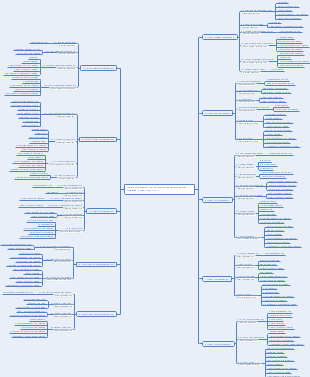
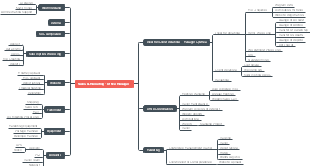
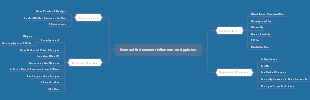
Pharmacological antihypertensive drug mind map, including first-line antihypertensive drugs, other types of antihypertensive drugs, application principles of antihypertensive drugs, etc. I hope it will be helpful to those who are studying medicine!
Edited at 2023-11-04 11:19:14This is a mind map about bacteria, and its main contents include: overview, morphology, types, structure, reproduction, distribution, application, and expansion. The summary is comprehensive and meticulous, suitable as review materials.
This is a mind map about plant asexual reproduction, and its main contents include: concept, spore reproduction, vegetative reproduction, tissue culture, and buds. The summary is comprehensive and meticulous, suitable as review materials.
This is a mind map about the reproductive development of animals, and its main contents include: insects, frogs, birds, sexual reproduction, and asexual reproduction. The summary is comprehensive and meticulous, suitable as review materials.
This is a mind map about bacteria, and its main contents include: overview, morphology, types, structure, reproduction, distribution, application, and expansion. The summary is comprehensive and meticulous, suitable as review materials.
This is a mind map about plant asexual reproduction, and its main contents include: concept, spore reproduction, vegetative reproduction, tissue culture, and buds. The summary is comprehensive and meticulous, suitable as review materials.
This is a mind map about the reproductive development of animals, and its main contents include: insects, frogs, birds, sexual reproduction, and asexual reproduction. The summary is comprehensive and meticulous, suitable as review materials.
anti- high Blood press medicine
Overview
blood pressure regulation mechanism
sympathetic nervous system (nervous system)
Center → Ganglion → Terminal transmitter release → Post-synaptic membrane receptor → Vascular smooth muscle
renin-angiotensin system (body fluid regulation)
Angiotensinogen (renin) → angiotensin I (angiotensin enzyme) → angiotensin II → ATI receptor → vasoconstriction → peripheral resistance ↑/ → aldosterone → sodium and water retention and potassium excretion
First-line antihypertensive drugs
diuretics
Hydrochlorothiazide
antihypertensive mechanism
In the early stage of medication: through sodium and drainage, the extracellular fluid and blood volume are reduced and blood pressure is lowered.
Long-term medication: continuous reduction of intracellular Na concentration → reduction of intracellular Ca2 concentration → relaxation of vascular smooth muscle and dilation of blood vessels
Buck characteristics
Good oral absorption, mild and long-lasting antihypertensive effect
Adverse reactions
Long-term use: tolerance to hypokalemia, hyperuricemia, glucose and lipid metabolism disorders (patients with hyperlipidemia)
calcium channel blockers
nifedipine (Heartbroken)
Buck characteristics
1. The degree of blood pressure reduction is highly positively correlated with the original blood pressure. It has no obvious antihypertensive effect on people with normal blood pressure. The effect is short-lived and can cause severe fluctuations in blood pressure. 2. Good oral absorption and quick onset of effect: 1-5 minutes for sublingual administration - effective for the treatment of variant angina pectoris and hypertensive crisis; 30-60 minutes for oral administration - effective for the treatment of mild and moderate hypertension; 3 Can cause reflex heart rate ↑ - combined with beta-blockers. 4 Renin secretion↑—Combined use of thiazide diuretics
amlodipine (Lohusix)
Buck characteristics
1 More selective for vascular smooth muscle 2 Orally absorbed agents have higher bioavailability (>90%), mild onset of action, gradual blood pressure reduction, and long-lasting efficacy. 3 Mild to moderate hypertension; stable and variant angina pectoris
clinical application
First choice: 1. Senile hypertension; 2. Simple systolic hypertension; 3. Combined with peripheral vascular disease; 4. Hypertension during pregnancy
B-adrenoceptor blocking drugs
propranolol
antihypertensive mechanism
1 Kidney: Juxtaglomerular apparatus β1 secretes renin↓——renin-angiotensin-aldosterone system↓——plasma angiotensin II level↓ 2Heart: β1 receptor↓——cardiac output↓ 3 Center: β receptors - central excitatory neurons ↓ - peripheral sympathetic tone ↓ - vascular resistance ↓ 4. Promote the production of prostacyclin
Clinical application
Suitable for mild hypertension when used alone Combined with diuretics and vasodilators, the efficacy is also good in patients with moderate and severe hypertension, angina pectoris, arrhythmia, and high renin activity.
Adverse reactions
1. Bradycardia, bronchospasm, nausea, diarrhea, fatigue 2 Mental side effects: dreams, hallucinations, insomnia, depression. 3 Start with a small dose (40-60mg/day), and generally use a larger dose (200mg/day) to achieve the antihypertensive effect; it is not advisable to stop suddenly after long-term use (drug withdrawal syndrome) 4. Patients with cardiomegaly, heart failure, and asthma should not use it. Great individual differences
Similar drugs
Atenolol, carvedilol, labetalol (α1/β receptor blockers)
Mild effect but prone to cause orthostatic hypotension
angiotensin
angiotensin-converting enzyme inhibitors
Captopril
antihypertensive mechanism
1. Selectively inhibit renin-angiotensin I converting enzyme (ACEI): Ang II production ↓ - arteriovenous dilation - peripheral resistance ↓ - blood pressure ↓ 2. Inhibit kininase: - Degradation of bradykinin ↓ - Concentration of bradykinin in blood ↑ - Dilation of blood vessels - Blood pressure ↓
Clinical application
Suitable for various types of hypertension and congestive heart failure
Adverse reactions
Irritating dry cough, hypotension, hyperkalemia, fetal development, rash, proteinuria, acute renal failure, angioedema, dysgeusia
Similar drugs
Enalapril
AT1 receptor blockers
Losartan
Clinical application
Hypertension, left ventricular hypertrophy, congestive heart failure, myocardial infarction
Buck characteristics
Rapid onset of action and long-lasting effect when taken orally
Other antihypertensive drugs
Centrally acting antihypertensive drugs
clonidine
Mechanism
center 1 Selective stimulation of secondary neurons in the nucleus of the solitary tract of the oblongata (inhibitory) - Excitation of postsynaptic membrane α2 receptors ↑ - Peripheral sympathetic nerve activity ↓ - Blood pressure ↓ 2 Imidazoline receptors at the rostral end of the ventrolateral medulla oblongata↑——Peripheral sympathetic nerve activity↓——Blood pressure↓ Periphery Stimulates α2 receptors in presynaptic membrane of peripheral sympathetic nerve terminals↑——NA release↓ (negative feedback)——blood pressure↓
Clinical application
For moderate hypertension, it is usually used when other antihypertensive drugs are ineffective. opioid withdrawal
Adverse reactions
Dry mouth, constipation, drowsiness, depression, impotence, rebound, etc.
moxonidine, rimenidine
vasodilator
sodium nitroprusside
Mechanism
Sodium nitrosoferricyanide—when in contact with vascular endothelial cells or red blood cells—releases NO—activates vascular smooth muscle cells GC—cGMP↑—vasodilation—blood pressure↓
Clinical application
hypertensive crisis
Features
Quick onset of action, not absorbed after oral administration, intravenous administration
Adverse reactions
Nausea, vomiting, palpitations, uneasiness, sweating, etc. (caused by excessive blood pressure lowering and disappear after discontinuation of medication). Sulfur cyanide accumulation poisoning. It is easily damaged when exposed to light (the instillation solution should be freshly prepared and protected from light).
ganglion blocking drugs
mecamylamine
Adverse reactions are many and severe, only suitable for hypertensive crisis
α-receptor blockers
Prazosin
Mechanism
Selectively blocks postsynaptic membrane α1 receptors, has a very weak effect on presynaptic membrane α2 receptors, and does not affect negative feedback
Adverse reactions
‘First dose phenomenon’, orthostatic hypotension
Noradrenergic neuroleptics
reserpine
Combined with amine pumps on peripheral and central adrenergic nerve terminal vesicle membranes - synthesis of catecholamine transmitters (NA, 5-HT) ↓ storage ↓ re-uptake ↓ - transmitter depletion - sympathetic nerve conduction ↓ vasodilation, BP↓
potassium channel opener
Minoxidil
Functional characteristics
1. Complete oral absorption, rapid onset of action, and powerful antihypertensive effect; 2. Reflexively stimulate sympathetic nerves when lowering blood pressure 3. Long-term use (several months, 10mg/day) may also cause hirsutism. 4. Mainly used for severe hypertension and hypertension complicated by renal failure.
Adverse reactions
Increased heart rate, arrhythmia, skin flushing; Water and sodium retention causes weight gain and lower limb edema
renin inhibitors
Aliguiren
1. A potent, highly selective, long-acting oral non-peptide renin blocker that reduces renin activity, reduces the production of Ang II and aldosterone, and does not affect the metabolism of bradykinin and prostaglandins. 2. Renin dependence does not cause a sudden drop in blood pressure, 3. Kidney protection, anti-atherosclerosis, cardioprotection
Principles of application of antihypertensive drugs
Effective treatment and lifelong treatment
Smoothly reduce blood pressure
Select drugs based on comorbidities
Combined use of drugs according to drug action characteristics
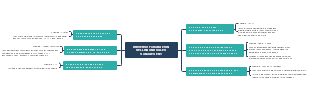
central theme
Principles of application of antihypertensive drugs
Smoothly reduce blood pressure
Start with a small dose to avoid being too fast, too strong, or causing excessive blood pressure fluctuations that may cause damage to target organs.
Select drugs based on comorbidities
Beta blockers should not be used for asthma
Combined use of drugs according to drug action characteristics
Diuretics and beta-blockers, diuretics and ACEI (ARB),
Dosage individualization
Gender, age, complications, effects of drug treatment, etc.
Hypertensive emergency management
In patients with hypertensive crisis or encephalopathy, intravenous infusion of sodium nitroprusside should not be done too quickly