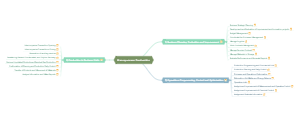
MindMap Gallery Congenital heart disease-left to right shunt mind map
This is a mind map about left-to-right shunt, atrial septal defect, ventricular septal defect, patent ductus arteriosus, etc.
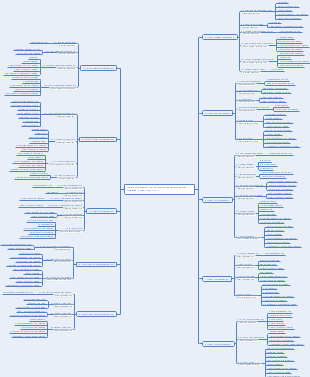
Edited at 2023-11-03 11:30:36This is a mind map about bacteria, and its main contents include: overview, morphology, types, structure, reproduction, distribution, application, and expansion. The summary is comprehensive and meticulous, suitable as review materials.
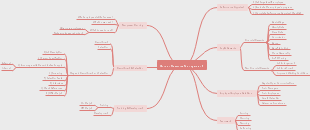
This is a mind map about plant asexual reproduction, and its main contents include: concept, spore reproduction, vegetative reproduction, tissue culture, and buds. The summary is comprehensive and meticulous, suitable as review materials.
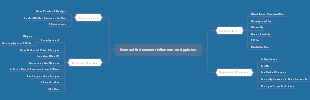
This is a mind map about the reproductive development of animals, and its main contents include: insects, frogs, birds, sexual reproduction, and asexual reproduction. The summary is comprehensive and meticulous, suitable as review materials.
This is a mind map about bacteria, and its main contents include: overview, morphology, types, structure, reproduction, distribution, application, and expansion. The summary is comprehensive and meticulous, suitable as review materials.
This is a mind map about plant asexual reproduction, and its main contents include: concept, spore reproduction, vegetative reproduction, tissue culture, and buds. The summary is comprehensive and meticulous, suitable as review materials.
This is a mind map about the reproductive development of animals, and its main contents include: insects, frogs, birds, sexual reproduction, and asexual reproduction. The summary is comprehensive and meticulous, suitable as review materials.
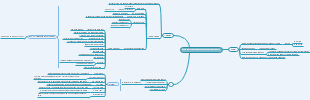
left to right shunt
atrial septal defect
Second intercostal space systolic murmur
Types
Type I primary hole type 15%
The lower edge of the interatrial septum cannot come into contact with the endocardial cushion
lower part of interatrial septum
Type II secundum type
Central type 80% around foramen ovale
Superior vena cava type 5% superior vena cava entrance
Inferior vena cava type 1%
Mixed type 2-4 types exist at the same time
Clinical symptoms
blood shunting from left to right
Small defect Asymptomatic Physical examination murmur
large defect
Reduced blood flow in the left heart: reduced activity tolerance and developmental delay
Increased blood flow in the right heart
prone to pneumonia
It can be secondary to pulmonary hypertension and right heart failure. When the pressure in the right heart exceeds that of the left heart, cyanosis occurs (Eisenmenger syndrome).
X-ray
Increased pulmonary blood
Mild convexity of pulmonary artery segment
Right atrium and ventricle enlargement
Right chamber? Right room?
Atrial septal defect x-ray appearance
CT
The interatrial septum is continuously interrupted, which can display the location, size and number of defects.
subtopic
Right ventricular enlargement, pulmonary artery enlargement
Purpose
Preoperative exclusion of coronary artery disease in adults (>50)
Observe whether there are other extracardiac malformations
Diagnostic ultrasound is difficult to diagnose special atrial defects
what's the situation?
The pressure on the left and right is equal
MRI
Not needed for simple diagnosis
Can be used to calculate split flow
ventricular septal defect
Third intercostal systolic murmur
Pathological classification
Infundibular ventricular septal defect
The location of the defect is high
membranous ventricular septal defect
muscular ventricular septal defect
near apical level
clinical similar
X-ray
Increased pulmonary blood
Full pulmonary artery
left atrium ventricular enlargement
Pulmonary hypertension Eisenmenger syndrome Whole heart enlargement
CT
Interruption of interatrial septal continuity. Show location and size of defect.
Left atrium Left ventricular enlargement Pulmonary artery dilation
identify
Are there any other extracardiac malformations?
Aortic paravalvular disease, aortic sinus aneurysm rupture
Ultrasound is difficult to diagnose ventricular septum
MRI
High sensitivity for identifying membrane and muscle defects
Patent ductus arteriosus
Continuous loud mechanical noise in the second and third intercostal spaces
Pathological classification
tube type
The thickness of the aortic and pulmonary artery end ducts is approximately the same
funnel type
The duct narrows from the aorta to the pulmonary artery
Window type
The catheter is thicker than 10mm
Aneurysmal type
Enlargement like an aneurysm is rare
Clinical symptoms similar to
Unique signs
peripheral vascular sign
capillary pulsation
Shuichongmai
Femoral gunshot sound
Differential cyanosis
Lower body, left upper limb bruise
X-ray
Increased pulmonary blood
Pulmonary artery segment bulge
left ventricular enlargement
Eisenmenger syndrome whole heart enlargement
Aortic node widening
CT
Abnormal vascular shadow or communication in the proximal aorta can be seen below the aortic arch.
Left heart enlargement consistent with pulmonary hypertension
Purpose
Assessment of aortic arch development: PDA may be associated with coarctation
Other complex malformations combined with pulmonary atresia. PDA is the main blood supply route of the pulmonary artery.
Ultrasound Difficult to Diagnose PDA
MRI
Observation of blood flow is not the preferred diagnosis