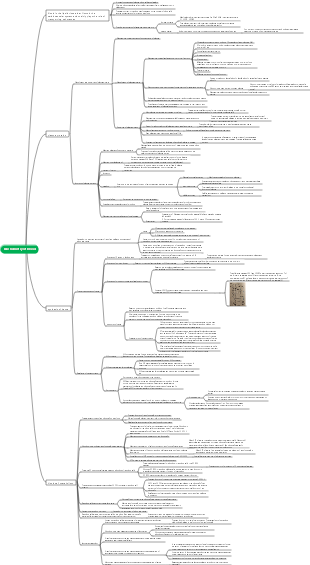
MindMap Gallery Blood mind map
This is a mind map about blood, including plasma, white blood cells, platelets, blood coagulation and fibrinolysis, blood types and blood transfusions, etc.
Edited at 2023-11-03 11:00:44This is a mind map about bacteria, and its main contents include: overview, morphology, types, structure, reproduction, distribution, application, and expansion. The summary is comprehensive and meticulous, suitable as review materials.

This is a mind map about plant asexual reproduction, and its main contents include: concept, spore reproduction, vegetative reproduction, tissue culture, and buds. The summary is comprehensive and meticulous, suitable as review materials.
This is a mind map about the reproductive development of animals, and its main contents include: insects, frogs, birds, sexual reproduction, and asexual reproduction. The summary is comprehensive and meticulous, suitable as review materials.
This is a mind map about bacteria, and its main contents include: overview, morphology, types, structure, reproduction, distribution, application, and expansion. The summary is comprehensive and meticulous, suitable as review materials.
This is a mind map about plant asexual reproduction, and its main contents include: concept, spore reproduction, vegetative reproduction, tissue culture, and buds. The summary is comprehensive and meticulous, suitable as review materials.
This is a mind map about the reproductive development of animals, and its main contents include: insects, frogs, birds, sexual reproduction, and asexual reproduction. The summary is comprehensive and meticulous, suitable as review materials.
blood
Overview
composition
plasma
blood cells
Related concepts
Hematocrit
circulating blood volume
Store blood volume
Physiological functions of blood
Transport function
immune defense
Maintain internal environment stability
Physical and chemical properties of blood
density
viscosity
plasma
Element
water
plasma proteins
Classification
albumin
globulin
Fibrogenin - plasma is defibrinated and becomes serum
Function
Nutrition
transportation
Maintain plasma colloid permeability
immunity
Participate in blood coagulation and anticoagulation processes
buffered plasma pH
Small molecule substance O2 co2
Physical and chemical properties
plasma permeability
penetration
Refers to the ability of solute molecules in a solution to attract and retain water molecules through a semipermeable membrane.
The size of osmotic pressure is proportional to the number of solute particles in the solution and has nothing to do with the type of solute and the size of my molecules.
The plasma osmotic pressure of normal people is about 300mOsm/L, which is equivalent to 5790mmHg.
crystal osmotic pressure
Produced by electrolytes in plasma, 80% comes from Na and Cl-, accounting for more than 99% of the total plasma osmotic pressure
Physiological functions: Maintain the balance of water inside and outside blood cells and the normal volume of cells
colloid osmotic pressure
Formed by colloidal substances in plasma, it is only 1.3mOsm/L (25mmHg), which is less than 1% of the total plasma osmotic pressure.
Physiological function: maintain the balance of water inside and outside blood vessels
isotonic solution
0.85% NaCl and 5% glucose
isotonic solution
plasma pH
Normal value: 7.35~7.45
Common buffer pair: NaHco3/H2CO3
maintain dependence on
intraplasma buffer pair
Normal lung and kidney function
leukocyte
red blood cells
Morphological characteristics: Normal red blood cells are biconcave disc-shaped
Physiological properties
suspension stability
The characteristic of red blood cells remaining suspended in plasma and not easily sinking is called the suspension stability of red blood cells.
plastic shape
Red blood cells run in blood vessels, pass through capillaries and sinusoids with smaller diameters, change their shape, and then return to their original shape.
Osmotic fragility
The characteristic of red blood cells swelling and rupturing in hypotonic saline solution
Physiological function
Transport oxygen and carbon dioxide
Involved in maintaining plasma pH balance
Production and regulation of red blood cells
generate
Decreased number of reticulocytes—decreased bone marrow hematopoietic function—aplastic anemia
raw material
protein
iron
endogenous
exogenous
iron deficiency anemia
Influencing factors
folic acid
Vitamin B12
Absorption requires the participation of intrinsic factor secreted by the gastric glands
adjust
Cytopoietin
Secreted by renal cortical tissue and tubular mesenchymal cells
Hypoxia is an important factor in stimulating EPO production
androgens
destruction of red blood cells
extravascular destruction
Spleen, liver, macrophages in bone marrow (spleen is the main organ)
intravascular destruction
Mechanical collision
leukocyte
Morphological characteristics
Function
Phagocytosis
Deformation and bleeding
chemotactic migration
phagocytosis digestion
Immune Function
specificity
non-specific
Classification
Granulocytes
neutralizing cells
Larger quantity
It is the first line of defense against pathogenic microorganisms
Remove dead tissue
eosinophils
suppress allergic reactions
Kill parasites
basophils
trigger allergic reaction
Releases heparin to keep blood vessels open
non-granulocytic
Mononuclear-macrophages
Lymphocytes
platelets
Parenchyma: Small pieces of cytoplasm shed from bone marrow megakaryocytes without nuclei and with organelles
Physiological characteristics:
stick
gather
freed
shrink
Adsorption
Adsorption of coagulation factors in plasma
Physiological function
Participate in physiological hemostasis
Promote blood clotting
Maintain vascular endothelial cell integrity
Blood coagulation and fibrinolysis
blood clotting
coagulation factors
1—Fibrinogen
2—Hemagglutinin
3—Tissue factor
4—Calcium ions
coagulation pathway
intrinsic coagulation pathway
extrinsic coagulation pathway
Basic process of blood coagulation
Formation of prothrombin activator
thrombin formation
Fibrinogen formation
Factors affecting blood clotting
temperature
Smoothness of contact surface
Plasma physical and chemical properties
Calcium ions
heparin
anticoagulation system
cellular anticoagulant system
endothelial cell system
Mononuclear-macrophage system
humoral anticoagulation system
protein c
Antithrombin 3
heparin
tissue factor pathway inhibitor
fibrinolytic system
way
exogenous
tissue plasmin activator
urokinase plasmin activator
endogenous
Blood type and blood transfusion
ABO
Rh
Blood transfusion principle
same type blood transfusion
cross match test
Be careful when transfusing abnormal blood