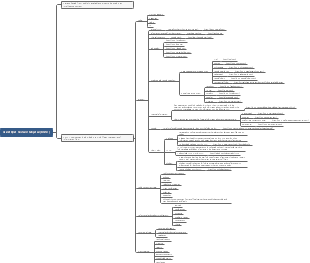
MindMap Gallery Plastic deformation of metal in hot state (1) Mind map
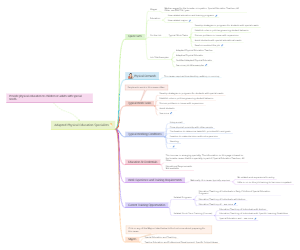
A mind map of plastic deformation of metals in a hot state, including the softening process, static recovery and recrystallization during thermoplastic deformation.
Edited at 2023-11-02 20:42:15This is a mind map about bacteria, and its main contents include: overview, morphology, types, structure, reproduction, distribution, application, and expansion. The summary is comprehensive and meticulous, suitable as review materials.
This is a mind map about plant asexual reproduction, and its main contents include: concept, spore reproduction, vegetative reproduction, tissue culture, and buds. The summary is comprehensive and meticulous, suitable as review materials.
This is a mind map about the reproductive development of animals, and its main contents include: insects, frogs, birds, sexual reproduction, and asexual reproduction. The summary is comprehensive and meticulous, suitable as review materials.
This is a mind map about bacteria, and its main contents include: overview, morphology, types, structure, reproduction, distribution, application, and expansion. The summary is comprehensive and meticulous, suitable as review materials.
This is a mind map about plant asexual reproduction, and its main contents include: concept, spore reproduction, vegetative reproduction, tissue culture, and buds. The summary is comprehensive and meticulous, suitable as review materials.
This is a mind map about the reproductive development of animals, and its main contents include: insects, frogs, birds, sexual reproduction, and asexual reproduction. The summary is comprehensive and meticulous, suitable as review materials.
Plastic deformation of metal in hot state
Overview
Definition of plastic deformation of metal in hot state
The concept of plastic deformation
Plastic deformation above the recrystallization temperature
Plastic deformation process of metal in hot state
Recovery, recrystallized aluminum work hardening occurs at the same time, and is constantly offset by recovery or recrystallization, leaving the metal in a softened state with high speed and low deformation resistance.
Softening process during thermoplastic deformation
Static recovery and recrystallization
static reply
concept
Metals spontaneously transform toward lower free energy
Features
Transformation processes that occur at lower temperatures or in early stages
Change
The strength and hardness are reduced, the plasticity and toughness are improved, and the microstructure remains unchanged.
Classification
Low temperature recovery
0.1~0.3 Tₘ
medium temperature reply
0.3~0.5 Tₘ
High temperature recovery
Greater than 0.5 Tₘ
Purpose
The degree of lattice distortion of the entire metal is greatly reduced, and its properties also change accordingly.
Common processing methods
stress relief annealing
static recrystallization
concept
When the cold deformed metal is heated to a higher temperature, new distortion-free equiaxed crystals will be re-formed in the original deformed metal until the cold deformed metal structure is completely replaced.
Features
Transformation processes that occur at higher temperatures or at later stages
Change
The strength and hardness of the metal are significantly reduced, the plasticity is greatly improved, work hardening and internal stress are completely eliminated, and the physical properties are restored.
Classification
Large degree of deformation
High-level dislocation metals form cellular substructures
Less deformation
The dislocation density on both sides of the grain boundary will be very different.
Purpose
It is a process of complete reorganization of the microstructure, resulting in fundamental changes in performance.
dynamic reply
Method to realize
Realized through dislocation climbing and cross-slip
Features
Dynamic recovery is the only softening mechanism during thermal deformation of high-rise dislocation metals
three phases
micro deformation stage
True stress increases due to work hardening, but the work hardening rate gradually decreases
Stable deformation stage
dynamic recrystallization
concept
Recrystallization that occurs during thermoplastic deformation
done
Completed by nucleation and growth
Factors affecting dynamic recrystallization ability
The level of stacking fault energy of metal
The difficulty of grain boundary migration
Features
Grains have greater strength and hardness than static recrystallized grains of the same size
Softening process after thermal deformation
three processes
static reply
static recrystallization
subdynamic recrystallization
Influencing factors
Deformation temperature during thermal deformation
strain rate
Degree of deformation
Material composition
The level of stacking fault energy