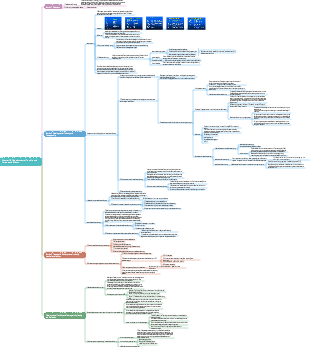
MindMap Gallery Fundamentals of Toxicology Chapter 4
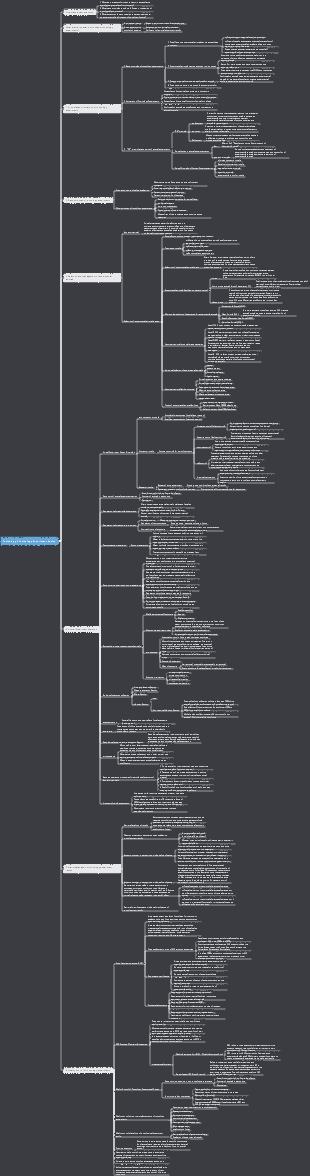
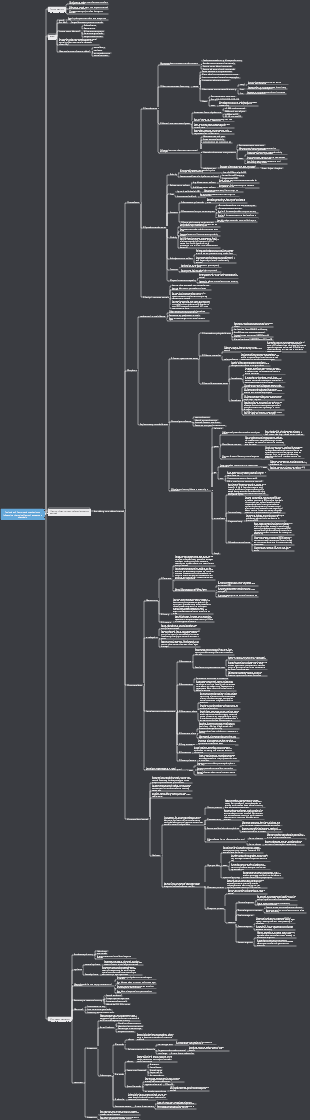
Fundamentals of Toxicology Chapter 4 Mind Map of Toxic Action Mechanisms, such as histones, a type of small basic protein that binds to DNA in the chromosomes of eukaryotic cells, and is an important component of nucleosomes.
Edited at 2023-10-30 10:41:10This is a mind map about bacteria, and its main contents include: overview, morphology, types, structure, reproduction, distribution, application, and expansion. The summary is comprehensive and meticulous, suitable as review materials.

This is a mind map about plant asexual reproduction, and its main contents include: concept, spore reproduction, vegetative reproduction, tissue culture, and buds. The summary is comprehensive and meticulous, suitable as review materials.
This is a mind map about the reproductive development of animals, and its main contents include: insects, frogs, birds, sexual reproduction, and asexual reproduction. The summary is comprehensive and meticulous, suitable as review materials.
This is a mind map about bacteria, and its main contents include: overview, morphology, types, structure, reproduction, distribution, application, and expansion. The summary is comprehensive and meticulous, suitable as review materials.
This is a mind map about plant asexual reproduction, and its main contents include: concept, spore reproduction, vegetative reproduction, tissue culture, and buds. The summary is comprehensive and meticulous, suitable as review materials.
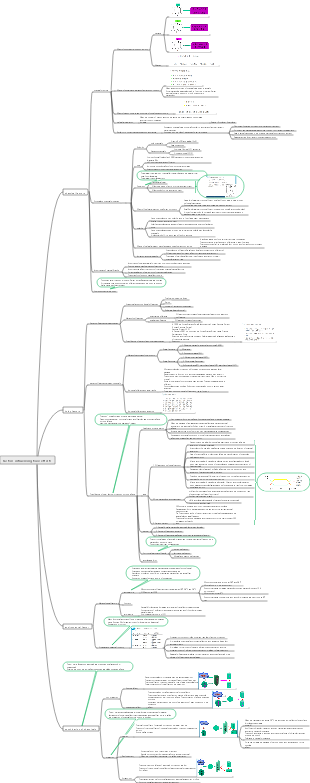
This is a mind map about the reproductive development of animals, and its main contents include: insects, frogs, birds, sexual reproduction, and asexual reproduction. The summary is comprehensive and meticulous, suitable as review materials.
Toxicity mechanism
ADME process for poisons
Transport and transformation of poisons in the body
Absorption and elimination of poisons before entering the systemic circulation
The absorption rate of poisons is related to their concentration on the absorption surface, which mainly depends on the exposure rate and the solubility of the chemical.
The absorption rates of different exposure routes from high to low are intravenous injection, inhalation, intramuscular injection, intraperitoneal injection, subcutaneous injection, oral injection, and intradermal injection.
Enter the target site from the blood circulation
Mechanisms that promote distribution of toxicants to target sites
Porosity of capillary endothelium
specialized membrane transport
Accumulation in organelles
Reversible intracellular binding
Mechanisms that hinder the distribution of toxicants to target sites
plasma protein binding
specialized barrier
Distribution of storage sites
Binds to intracellular binding proteins
discharged from cells
Excretion and reabsorption
Excretion refers to the process by which poisons and their metabolites are eliminated from the blood and returned to the environment. It is a physical mechanism
Excretion from breast milk
Excretion from bile combined with bile micelles and phospholipid vesicles
Excretion from intestines
Toxification and detoxification
Toxin-increasing effect
The process of biological transformation of poisons into final poisons in the body
electrophile
insert a hydrogen atom
Conjugated double bond formation
Heterogeneous cleavage of chemical bonds produces cationic electrophiles
free radicals
It is a molecule or molecular fragment containing one or more unpaired electrons in its outer orbit. Common free radicals include: hydroxyl radical NO·), superoxide anion radical (O2-•), peroxyl radical ( ROO•), chloride ion radicals (Cl•) and nitric oxide molecular radicals (NO•
Free radicals formed by accepting an electron
Nucleophilic poisons lose one electron under the catalysis of peroxidase to form free radicals
The reductive bond homolysis process caused by the transfer of electrons to molecules can also generate free radicals
nucleophile formation
It is a rare mechanism that plays a role in poison poisoning.
Bitter almond, acrylonitrile ring, and sodium nitroprusside can form cyanide after conversion
Dihalomethane undergoes oxidative dehalogenation to form CO
Hydrogen selenide is formed by the reaction of selenite with glutathione or other sulfhydryl groups
active redox reactants
Detoxification
Biotransformation processes that eliminate or prevent the formation of final toxicants
Detoxification of poisons without functional groups
Detoxification of nucleophiles
Detoxification of electrophiles
Detoxification of free radicals
Detoxification of protein toxins
Detoxification process fails
Exposure to toxicants at doses that exceed the body’s ability to detoxify
Occasionally, a reactive poison may inactivate detoxifying enzymes
Some binding reactions can be reversed
The detoxification process sometimes produces potentially harmful by-products
target molecule response
Type of reaction between final poison and target molecule
Non-covalent binding: Non-polar interactions or non-covalent binding bonds have relatively low energy and are usually reversible
covalent binding
Soft electrophiles react easily with soft nucleophiles (both have a lower charge-to-radius ratio), while hard electrophiles react easily with hard nucleophiles (both have a higher charge-to-radius ratio)
Neutral free radicals: such as HO•NO2 and Cl3C
dehydrogenation reaction
Free radicals rapidly cause endogenous molecules to dehydrogenate and generate new endogenous free radicals
electron transfer
enzymatic reaction
A few viruses act on target proteins through enzymatic reactions
Harmful effects of final poison on target molecules
The effects of poisons on target molecules mainly include two mechanisms
Causes target molecule dysfunction
Destroy target molecule structure
target molecule dysfunction
Some toxicants mimic endogenous ligands and activate target molecules, and more often they inhibit
Toxins interact with proteins to impair protein function by changing their structural configuration.
Poisons can interfere with DNA's template function
Structural destruction of target molecules
Poisons form compounds with endogenous molecules, causing cross-linking and cleavage to cause changes in the primary structure of endogenous molecules.
Certain target molecules undergo spontaneous degradation under the action of poisons
Poisons can break DNA strands
neoantigen formation
Epigenetic mechanisms of toxic effects of poisons
DNA methylation
DNA methylation is a natural modification of DNA
Abnormal DNA methylation and toxic effects of exogenous chemicals
heavy metal
polycyclic aromatic hydrocarbons
environmental endocrine disruptors
Other environmental chemicals
Histone modifications
Histones are a class of small basic proteins that bind to DNA in the chromosomes of eukaryotic cells and are an important component of nucleosomes.
Abnormal histone modifications and toxic effects of exogenous chemicals
Environmental heavy metals
Organic Pollutants
ionizing radiation
Chromatin remodeling
When genes are activated and transcribed, chromatin decondenses and nucleosomes become open and loose structures, making it easier for transcription factors to access and bind to nucleosome DNA, thereby regulating gene transcription.
Abnormal chromatin remodeling and toxic effects of exogenous chemicals
non-coding RNA
refers to those that do not code for proteins
miRNA
IncRNA
circRNA
Abnormal expression of non-coding RNA and toxic effects of exogenous chemicals
Changes in miRNA expression
Changes in expression profile
Get up early to change
Dose-Response Relationship
relative specificity
double effect
IncRNA and circRNA expression changes
Non-coding RNA regulates target genes
Repair obstacles
damage repair mechanism
molecular repair
protein repair
Lipid Repair
DNA repair
cell repair
tissue repair
apoptosis
Cell Proliferation
extracellular matrix replacement
Repair disorders and their resulting toxic effects
Repair obstacles
Repair disorders causing toxicity
inflammation
cells and media
ROS and RNS
Necrosis
Fibrosis
carcinogenesis
cell regulatory dysfunction
heat stress
Stressor—heat shock protein HSP—a variety of stressors can cause eggs white matter degeneration
oxidative stress
The stressors are mainly free radicals, reactive oxygen species (ROS) or active Nitrogen (RNS)
ROS and RNS are important parts of the body's defense system
Various immune cells in the body can kill tumor cells
ROS and RNS are directly or indirectly involved in detoxification in vivo
ROS participates in the regulation of cell signaling and gene expression
ROs cause cell apoptosis through the following mechanisms
Mitochondrial machinery
Excess ROS activates the endoplasmic reticulum stress signaling pathway and initiates cell growth. apoptotic program
hypoxic stress
Cells and tissues adapt to hypoxic stress to induce angiogenesis, iron Metabolism and glucose metabolism-related gene expression to maintain cell proliferation and survive
Ca2, NO, and CO all play a role in hypoxic signal transduction. important role
The key molecule is hypoxia-inducible factor 1
endoplasmic reticulum stress
Damage to the endoplasmic reticulum and increased synthesis of proteins requiring processing and packaging It causes endoplasmic reticulum stress and unfolded protein response (UPR); PERK pathway; IRE1 pathway; ATF6 pathway
genotoxic stress
Genotoxic carcinogens and mutagens
UV rays and radionuclides
most chemotherapeutic substances
Certain metabolites produced during normal life processes
The mitogen-activated protein kinase (MAPK) pathway is a major signaling One of the signal transmission pathways
cell regulatory dysfunction
Dysregulation of gene expression
Gene transduction regulatory disorders
Signal transduction regulation disorders
Dysregulation of extracellular signal production
Dysregulation of transient cell activity
Dysregulation of electrically excitable cells
neurotransmitter concentration
Receptor function
intracellular signal transduction
Signal terminates process
Disorders of regulation of other cellular activities
Dysregulation of cellular homeostasis
ATP depletion
Intracellular Ca2 continues to increase
ROS and RNS excessively produce some poisons
Interrelationships among various elements of cellular homeostasis disorders and their consequences