 Wondershare EdrawMind
MindMap Gallery Infectious Diseases-Viral Infectious Diseases-Hemorrhagic Fever with Renal Syndrome
- 68
Infectious Diseases-Viral Infectious Diseases-Hemorrhagic Fever with Renal Syndrome
Infectious disease mind map, 02.3 Viral infectious disease - hemorrhagic fever with renal syndrome/epidemic hemorrhagic fever, including its etiology, epidemiology, clinical manifestations, diagnosis, treatment, prognosis and prevention.
Edited at 2023-10-17 18:10:11
- bacteria
This is a mind map about bacteria, and its main contents include: overview, morphology, types, structure, reproduction, distribution, application, and expansion. The summary is comprehensive and meticulous, suitable as review materials.
- Plant asexual reproduction
This is a mind map about plant asexual reproduction, and its main contents include: concept, spore reproduction, vegetative reproduction, tissue culture, and buds. The summary is comprehensive and meticulous, suitable as review materials.
- Reproductive development of animals
This is a mind map about the reproductive development of animals, and its main contents include: insects, frogs, birds, sexual reproduction, and asexual reproduction. The summary is comprehensive and meticulous, suitable as review materials.
Infectious Diseases-Viral Infectious Diseases-Hemorrhagic Fever with Renal Syndrome
- bacteria
This is a mind map about bacteria, and its main contents include: overview, morphology, types, structure, reproduction, distribution, application, and expansion. The summary is comprehensive and meticulous, suitable as review materials.
- Plant asexual reproduction
This is a mind map about plant asexual reproduction, and its main contents include: concept, spore reproduction, vegetative reproduction, tissue culture, and buds. The summary is comprehensive and meticulous, suitable as review materials.
- Reproductive development of animals
This is a mind map about the reproductive development of animals, and its main contents include: insects, frogs, birds, sexual reproduction, and asexual reproduction. The summary is comprehensive and meticulous, suitable as review materials.
- Recommended to you
- Outline

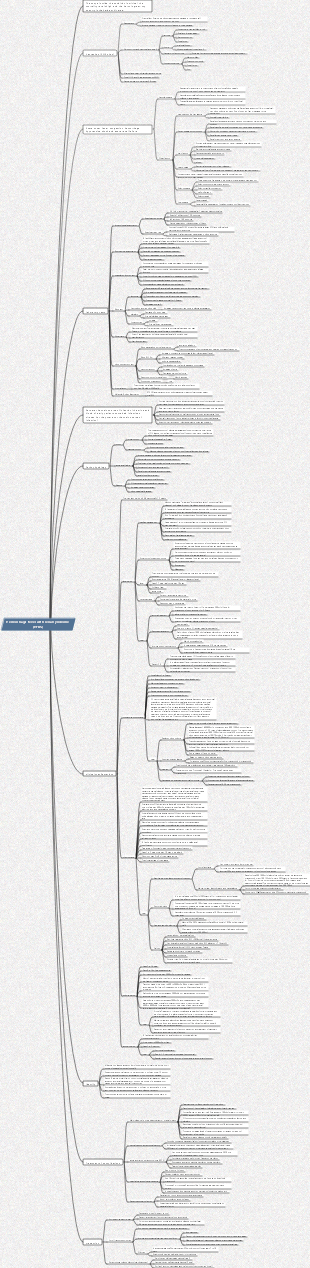
Viral infectious disease-Hemorrhagic fever with renal syndrome [HFRS]
Overview
definition
Epidemic hemorrhagic fever, also known as epidemic hemorrhagic fever, is a natural disease caused by hantavirus (HV), with rodents as the main source of infection.
Main pathological changes
Extensive damage to small blood vessels and capillaries throughout the body
Main clinical manifestations
Fever, hypotensive shock, congestion, hemorrhage, and renal damage
etiology
species
EHFV belongs to the family Bunyaviridae and the genus Hantavirus
Structural form
Round or oval, double-layered capsule, with fibrous processes on the outer membrane
Negative single-stranded RNA virus, three gene segments
Small-S
Encodes nucleocapsid protein (including nucleoprotein NR), has strong immunogenicity and antigenic determinants - nucleocapsid protein antibodies first appeared
Medium-M
Encodes membrane proteins, divided into G1 and G2; contains neutralizing antigens and hemagglutination antigens
Neutralizing antigens induce the host to produce protective neutralizing antibodies
Hemagglutination antigen facilitates the adsorption and entry of virus particles into the cytoplasm
Large-L
genetically encoded polymerase
serotype
At least 20 or more serotypes
Mainly popular in China
Hantaan virus type I (HTNV), Seoul virus type II (SEOV)
resistance
Sensitive to ether, chloroform, deoxycholate
Not resistant to heat and acid
>37℃, pH<5 is easy to inactivate; it can be inactivated at 56℃ for 30min or 100℃ for 1min.
Sensitive to disinfectants such as ultraviolet rays, ethanol, and iodine
Epidemiology
Source of infection
Humans are not the main source of infection
The main host animals are rodents, other animals include cats, pigs, dogs, rabbits, etc.
In our country, the main species are Apoderma agrarianus and Rattus norvegicus; in the forest areas, the main species are Apoderma spp.
way for spreading
Respiratory tract transmission
The virus-carrying excrement of rodents forms aerosols after contaminating dust and infects humans through the respiratory tract.
contact spread
Rat bites or wounds exposed to pollutants
vertical communication
placenta
Insect vector transmission
Dermatophyte mite transmission, chigger transmission
population susceptibility
The population is generally susceptible, mainly young and middle-aged men
The latent infection rate in endemic areas can reach 3.5-4.3%
Type I specific antibodies last for 1 to 30 years, and most type II specific antibodies disappear within 2 years.
popular features
Regional
foci
Mainly in Asia, followed by Europe and Africa, the epidemic in my country is the worst
Distribution of epidemic areas
Agricultural areas with high water content, high water content, and transitional zones are related to the distribution of host rat species.
Seasonality and cyclicality
Apodemus agrarian peaks from November to January, and has a smaller peak from May to July; house mice peak from March to May; Apoderma spp. in summer and autumn
Crowd distribution
Male young farmers and workers have higher incidence rates
Pathogenesis
Pathogenesis
direct effect of virus
Pantropic infection that can cause multiple organ damage
All clinical patients have viremia stage and corresponding symptoms of poisoning
Viral antigens can be detected in almost all organs
When bone marrow cells and vascular endothelial cells are cultured in vitro, in addition to the effects of cellular immunity and humoral immunity, damage to cell membranes and organelles occurs after infection with hantavirus.
immune damaging effects
All four types of immune responses can be triggered
Damage caused by immune complexes (type III allergy)
Early serum complement decreases and specific immune complexes exist in blood circulation
Other immune reactions (type I, II, IV allergic reactions)
allergy
Early specific IgE antibody ↑, the level is positively correlated with the positive rate of mast cell degranulation, suggesting type I allergic reaction
There are immune complexes in the patient's platelets, and linear IgG deposition in renal tissue and renal tubule basement membrane under electron microscopy.
Electron microscope observation of lymphocytes attacking renal tubular epithelial cells
cellular immune response
Most patients have obvious CD8⁺ in peripheral blood, and the CD4⁺/CD8⁺ ratio decreases or is inverted. Suppressor T cells (Ts) function is low and cytotoxic T lymphocytes (CTL) are obvious↑
Various cytokines and mediators
IL-1, TNF, plasma endothelin, thromboxane β₂, angiotensin II
Pathophysiology
shock
primary shock
definition
Hypotensive shock often occurs within 3 to 7 days of the disease
reason
Extensive damage to small blood vessels and capillaries throughout the body. Effect of vasoactive substances → vasodilation, permeability ↑ → extravasation of plasma → blood volume ↓, blood concentration, and circulation obstruction
secondary shock
definition
Shock that occurs after the oliguric period
reason
Insufficient water and electrolyte supplementation during severe bleeding, secondary infection, and polyuria → Insufficient effective circulating blood volume
Bleeding
Systemic small vessel damage
Thrombocytopenia and dysfunction
Reduced generation
HV directly damages bone marrow megakaryocytes → platelet maturation disorder
Increased consumption
Large amounts of platelets are consumed when repairing vascular endothelium
Increased destruction
Activation of complement by immune complexes increases platelet destruction
disfunction
Viral damage, immune complexes, uremic products inhibit the release of platelet factor 3, etc.
coagulation disorder
Increased DIC and heparin substances
acute renal failure
Effective circulating blood volume↓, insufficient renal blood flow
Renin-angiotensin↑, glomerular microthrombus, antigen-antibody complex → basement membrane injury
→Glomerular filtration rate↓
Renal tubular degeneration and necrosis, renal interstitial hemorrhage, edema compression, renal tubular lumen obstruction by renal exfoliated cells and protein clots, etc., aggravate oliguria
pathological anatomy
Basic lesions
Extensive damage to small blood vessels and capillaries throughout the body, swelling, degeneration and necrosis of vascular endothelial cells
Especially in the kidneys, adenohypophysis, adrenal cortex, right atrium subintima, skin and mucous membranes, etc.
commonality
Extensive damage to small blood vessels and capillaries throughout the body
multiple hemorrhages
Severe effusion and edema
Focal necrosis and inflammatory cell infiltration
extensive microthrombosis
clinical manifestations
Overview
incubation period
4-46D (usually 7-14 days), usually more than 2 weeks
Five issues passed
Fever phase, hypotensive shock phase, oliguric phase, polyuric phase, recovery phase
Three major symptoms
Symptoms of fever and poisoning, congestion, bleeding, exudation, kidney damage
Clinical stage
fever period
fever
Sudden fever, chills, lingering fever, and relaxing fever. The fever usually lasts 3 to 7 days. In severe cases, the condition worsens after the fever subsides.
Symptoms of systemic poisoning
"Three pains" - headache, low back pain, and orbital pain
gastrointestinal poisoning symptoms
Appetite, nausea, vomiting or diarrhea, severe abdominal pain may include abdominal tenderness and rebound pain
neuropsychiatric symptoms
Drowsiness, irritability, delirium or convulsions, etc.
capillary damage sign
congestion
Congested and flushed skin - "Three Reds"/Drunk Appearance: Mainly seen on the face, neck, and chest
Bleeding
Commonly seen in the armpits and chest and back, with scratchy, streaky petechiae, ecchymoses, and bleeding from the cavity
effusion edema sign
Mainly manifested by bulbar conjunctival edema
kidney damage
Proteinuria and microscopy can reveal casts, etc.
hypotensive shock phase
time
It usually appears on the 4th to 6th day of illness, and in late cases on 8th to 9th day of illness.
Performance
It usually lasts 1-3 days. The longer it lasts, the more serious the condition will be.
Mostly at the end of fever or at the same time as blood pressure (BP) and heart rate (HR)↓
Peripheral malperfusion
Pale face, cold limbs, weak or unpalpable pulse, decreased urine output, etc.
other
Psychiatric and neurological symptoms, exacerbation, hemoconcentration, DIC, ARDS, acute renal failure, etc.
oliguric phase
time
5 to 8 sick days, usually 2 to 5 days in duration
Criteria for oliguria
24h urine output <1000mL - tendency to oliguria
24h urine output <400mL - oliguria
24h urine output <50mL - anuria
Performance
Uremia
Gastrointestinal tract, CNS injury, bleeding
acidosis
Rapid breathing or Kussmaul breathing
Water and electrolyte imbalance
water and sodium retention
ascites
hypervolemic syndrome
The veins on the body surface are filled, the systolic blood pressure and pulse pressure increase, the pulse is loud, the face is full, and the heart rate increases.
electrolyte imbalance
High potassium, low sodium and low calcium
In severe cases, hypervolemia syndrome and pulmonary edema may occur
polyuria period
time
The course of the disease is 9 to 14 days, and the duration ranges from 1 day to several months.
Pathophysiology
Renal tubular reabsorption function is not yet perfect, and latent substances such as urea nitrogen cause hypertonic diuresis.
installment
Transition period
Urine output increased from 400mL to 2000mL, but urea nitrogen (BUN) and creatinine increased↑
Early polyuria
Daily urine output >2000mL, azotemia has not improved
Late polyuria
Symptoms often improve if daily urine output is >3000mL
recovery period
The urine output is restored to less than 2000mL, and the mental and appetite are basically restored. It usually takes 1-3 months for the physical strength to be fully restored.
Clinical classification
Lightweight
Body temperature <39°C, mild poisoning symptoms, no bleeding except bleeding points, mild kidney damage, no shock or oliguria
medium size
The body temperature is 39~40℃, the symptoms of poisoning are severe, there is obvious bulbar conjunctival edema, the systolic blood pressure is <90mmHg or the pulse pressure is less than 30mmHg during the course of the disease, there is obvious bleeding and oliguria period, and proteinuria ( )
Heavy duty
Body temperature >40°C, symptoms of poisoning and signs of infiltration are severe, toxic mental symptoms may occur, and shock may occur, with skin ecchymosis and cavity bleeding, shock and kidney damage are severe, oliguria lasts for less than 5 days, or anuria lasts for 2 days within
Critical
On a heavy foundation and one of the following conditions occurs
Refractory shock; bleeding of important organs; oliguria for more than 5 days or anuria for more than 2 days, BUN exceeding 42.84mmol/L (120mg/dl); heart failure, pulmonary edema; cerebral edema, cerebral hemorrhage or cerebral infarction Central nervous system complications such as hernia; severe secondary infection
atypical
Fever <38°C, scattered bleeding spots on skin and mucous membranes, urine protein (±), blood and urine specific antigen or antibody positive
laboratory tests
Blood routine
WBC increases, atypical lymphocytes increase; RBC and HGB increase, PLT decreases
Urine routine
Protein in urine, microscopic examination reveals red blood cells, white blood cells and casts
blood biochemistry test
BUN, creatinine
Hypotensive shock period ↑, peak at the end of transitional period, and after polyuria period ↓
Electrolyte and acid-base balance disorders
coagulation function test
During the fever period, platelets begin to decrease, and their adhesion, aggregation and release functions↓
Pathological examination
Immunological examination
Specific antigen detection
Inspection standards
IgM antibody-1:20 ( ), can be detected on the 2nd day of the disease course
IgG Antibody-1:40 ( )
A 4-fold increase in the titer of the double serum/a 4-fold or above increase in the titer 1 week later has diagnostic value
Common methods
Indirect immunofluorescence, IgM antibody capture ELISA (MacELISA)
cellular immunity
Decreased or inverted CD4⁺/CD8⁺ ratio of peripheral blood lymphocyte subpopulations
Humoral immunity
Serum IgM, IgG, IgA and IgE are common, total complement and partial complement C3 and C4 are detectable, and specific circulating immune complexes can be detected
molecular biology methods
Nested RT-PCR can detect hantavirus with high sensitivity
Virus isolation
EHF virus can be isolated by inoculating Vero-E6/A549 cells from serum, blood cells and urine
Other tests
electrocardiogram
Arrhythmias such as sinus bradycardia and conduction block and myocardial damage may occur; hyperkalemia may occur
eye examination
Partial intraocular pressure ↑; optic disc edema in patients with cerebral edema
Chest X-ray
Pulmonary edema, pleural effusion, pleural reaction, etc.
complication
Internal bleeding
Vomiting blood and blood in the stool are the most common
central nervous system complications
Hantavirus invades the central nervous system → encephalitis, meningitis
Shock, coagulopathy, electrolyte imbalance → cerebral edema, hypertensive encephalopathy, intracranial hemorrhage
Pulmonary Edema
acute respiratory distress syndrome (ARDS)
heart failure pulmonary edema
other
Including secondary infection, spontaneous renal rupture, myocardial damage and liver damage, etc.
clinical diagnosis
Characteristic clinical symptoms and signs Laboratory tests Epidemiological data
Epidemiological data
Season, epidemic area, contact history with rodents or other host animals
Clinical features
Three main signs, five phases passed
Early diagnosis
Acute fever, high degree of fatigue, obvious gastrointestinal symptoms
Fever accompanied by "three pains", percussion pain in the kidney area, and general pain
Fever accompanied by "three reds", congestion and flushing of the conjunctiva and pharynx, and edema of the bulbar conjunctiva
Fever with bleeding
Blood examination, thrombocytopenia, more rod-shaped cells and atypical lymphocytes
Fever, urine protein positive and rapidly increasing
Fever accompanied by elevated ALT, which cannot be explained by other reasons
Differential diagnosis
fever period
Upper respiratory tract infection/influenza
History: Prominent upper respiratory tract symptoms, fever subsided, symptoms relieved, except for pharyngeal redness, positive symptoms are rare
meningococcal meningitis
More common in winter and spring, more children. Special symptoms of meningitis (projectile vomiting, meningeal irritation). Symptoms and signs: skin petechiae mainly on the lower body, blood showing bacterial infection, cerebrospinal fluid showing purulent meningitis
epidemic typhus
Fever accompanied by headache is the most prominent Waifei reaction (OX₁₉ titer is more than 1:160 or double serum titer is increased by more than 4 times) IgM antibody (-)
Typhoid fever
Diagnosis can be confirmed by culture of typhoid bacilli from blood or bone marrow
leptospirosis
Summer and autumn, history of exposure to epidemic water, high fever and fatigue, blood microscopy for leptospira or culture ( )
septicemia
There are often primary lesions, chills and high fever, systemic poisoning symptoms, and no signs of effusion. Blood picture: bacterial infection phase. Blood culture ( )
hypotensive shock phase
acute toxic bacillary dysentery
Summer and autumn are common, children are more likely to have a history of unclean diet, and anal swabs or diagnostic enema collection of stool specimens are helpful for diagnosis.
shock pneumonia
History of cold, respiratory symptoms, no obvious signs of infiltration, chest X-ray is helpful for diagnosis
People with obvious bleeding
Acute leukemia, allergic and thrombocytopenic purpura, peptic ulcer, DIC, etc.
People with renal failure
Kidney diseases such as primary acute glomerulonephritis, acute nephritis, etc.
People with severe abdominal pain
Rule out surgical acute abdomen
treat
Treatment principles
Comprehensive treatment is the mainstay, antiviral treatment is applied in the early stage, and symptomatic treatment is carried out according to pathophysiology in the middle and late stages.
Three in the morning and one in the morning
Early detection, early rest, early treatment, and nearby treatment
Prevention and Control of Three Passages
shock, bleeding, renal failure
fever period
in principle
Antiviral, reduce extravasation, improve poisoning symptoms and prevent DIC
measure
antiviral treatment
Ribavirin, 1g/d, for 3-5 days, applied within 4 days of onset
Reduce extravasation
VitC, colloid given later
Improve poisoning symptoms
High fever - physical cooling; severe poisoning symptoms - intravenous injection of dexamethasone; frequent vomiting - metoclopramide
Prevent DIC
Low right, Salvia miltiorrhiza, and heparin if necessary
fluid therapy
Appropriately replenish blood volume to prevent shock
General treatment
Bed rest and a nutritious, easily digestible diet
hypotensive shock phase
in principle
Actively replenish blood volume, correct acidosis, and improve microcirculation
measure
Replenish blood volume
Early, fast, appropriate amount, combined with crystal glue, mainly balanced salt, avoid simply injecting glucose solution
Colloids: low right, mannitol, plasma, albumin
correct acidosis
5% sodium bicarbonate
Vasoactive drugs and adrenal corticosteroids
oliguric phase
in principle
"Stabilize, promote, guide and penetrate": Stabilize the body's internal environment, promote diuresis, catharsis and dialysis treatment
measure
stable internal environment
Strictly control intake, maintain water, electrolyte, acid-base balance, and reduce protein decomposition
Promote diuresis
One of the causes of oliguria is renal interstitial edema compressing the renal tubules
Furosemide, diuretic mixture
dialysis therapy
method
Hemodialysis, continuous renal replacement therapy (CRRT), or peritoneal dialysis
Indications
Oliguria for >4 days or anuria for >24 hours, diuresis is ineffective
Obvious azotemia, BUN>28.56mmol/L, severe uremia
Highly decomposed state, BUN rises too fast (>7.14mmol/L/day)
Serum potassium >6mmol/L, EKG shows high potassium with towering T wave
Hypervolemia syndrome that fails conservative treatment and is accompanied by pulmonary edema, cerebral edema, severe disturbance of consciousness, and convulsions
catharsis
Mannitol, to prevent hypervolemia syndrome and hyperkalemia
polyuria period
The treatment of transitional phase and early polyuria is the same as that of oliguric phase.
In the later stage of polyuria, it is mainly to maintain water and electrolyte balance and prevent and treat secondary infections.
recovery period
Supplement nutrition, rest, and check regularly
Treatment of complications
gastrointestinal bleeding
Cause treatment
central nervous system complications
Convulsions - intravenous injection of diazepam or sodium pentobarbital; intracranial hypertension caused by cerebral edema or intracranial hemorrhage - intravenous injection of mannitol
ARDS
Large doses of adrenocortical hormones, limiting water intake and high-frequency ventilation, or using a ventilator for artificial terminal positive pressure respiration
Heart failure, pulmonary edema
Cardiotonic, sedative, diuretic, and can also be used for catharsis and dialysis
spontaneous renal rupture
Surgical suturing
prevention
Epidemic surveillance
Anti-rodent and exterminator
Can better control type Ⅱ virus
Food Hygiene and Personal Hygiene
Vaccination