MindMap Gallery environmental science water environment
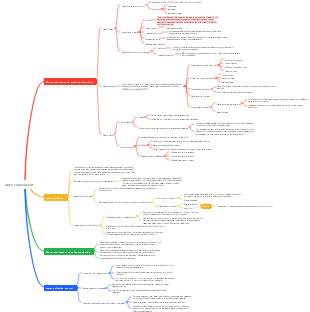
Environmental Science Water Environment, water environment is one of the basic elements that constitute the environment. It is an important place for the survival and development of human society, and it is also the area most seriously disturbed and damaged by humans.
Edited at 2024-01-15 15:52:36This is a mind map about bacteria, and its main contents include: overview, morphology, types, structure, reproduction, distribution, application, and expansion. The summary is comprehensive and meticulous, suitable as review materials.

This is a mind map about plant asexual reproduction, and its main contents include: concept, spore reproduction, vegetative reproduction, tissue culture, and buds. The summary is comprehensive and meticulous, suitable as review materials.
This is a mind map about the reproductive development of animals, and its main contents include: insects, frogs, birds, sexual reproduction, and asexual reproduction. The summary is comprehensive and meticulous, suitable as review materials.
This is a mind map about bacteria, and its main contents include: overview, morphology, types, structure, reproduction, distribution, application, and expansion. The summary is comprehensive and meticulous, suitable as review materials.
This is a mind map about plant asexual reproduction, and its main contents include: concept, spore reproduction, vegetative reproduction, tissue culture, and buds. The summary is comprehensive and meticulous, suitable as review materials.
This is a mind map about the reproductive development of animals, and its main contents include: insects, frogs, birds, sexual reproduction, and asexual reproduction. The summary is comprehensive and meticulous, suitable as review materials.
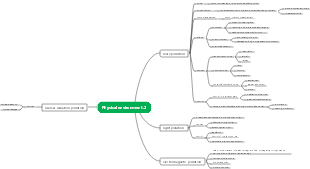
water environment.2
water resources
water as resource
all living organisms need water to grow, survive and reproduce
uses of water include agricultural,industrial,household,and recreational activities
where do we get the fresh water
surface water
precipitation
snowmelt
groundwater
some precipitation infiltrates the ground and percolates downward through spaces in soil,gravel and rock until and impenetrable layer of rock stops it
water cycle
the world's freshwater supply is continually collected, purified, recycled and distributed in the Earth's hydrologic cycle
the movement of water in the water bodies ,in the air,and on the land /in the soil
driven by solar energy and gravity
process
evaporation
the process of turning water from liquid into vapor
condensation
the change of the physical state of water vapor from gas phase into liquid phase
precipitation
a form of water that falls to the Earth's surface
transpiration/evapotranspiration
the process where plants absorb water through the roots and then give off water vapor through pores in their leaves
how human impact the water cycle
withdraw more water from rivers, lakes and aquifers and building reservoir
which influence the runoff and evaporatin
deforestation influences the transpiration,runoff and the infiltration
global warming changes the precipitation pattern
larger population will not only use more water also produce more wastewater
water quality parameters
the unusual property of water
many chemical substances are solube in water
they are easily dispersed and eventually scattered and diluted in the ocean
this property of water makes it uniquely suited for the support of life and also makes it easily to be polluted
parameters
temperature
effect
water density
chemical reaction rates
organism growth rates
dissolved oxygen
dissolved oxygen
refers to the level of free oxygen present in water and available for fish and other aquatic life
it's and important parameters in assessing water quality
because of its influecneon the organisms living in the water bodies
where does DO come from
comes from the oygen absorbtio and dissolutio form the atmosphere or by plant photosynthesis
what will influence the level of DO in water
elements
temperature
wind
organisms activities
DO steadily declines during the night and are the lowest before dawn,when photosynthesis resumes
more oxygen dissolves into water when wind stirs the water
turbulence mixes water and air which could increase the DO
importance
DO is necessary for aquatic organisms
aerobi bacteria consume soxygen during the metabolic process
Most natural water systems require more than 5mg/L DO to support a diverse population.
Indicates the health of an aquatic system.
Decrease in DO levels is usually an indication of an influx of organic pollutant.
pH
is used to specify the acidity or basicity of an aqueous
importance
determines the soubility of some nutrients and heavy metals and the availability of these chemicals for use by aquatic life
most plants and animals are sensitive to pH variations
pH is one of the primary indicators used for evaluation of surface-water quality
factors that affect pH
most natural changes occur due to interactions with surrounding rock and other materials
pH can flutuate with precipitation and wastewater changes
carbon dioxide concentrations can influence pH levels
buffering capacity
resistance to pH changes
water with high akalinity always has good buffering capacity
in most natural water bodies
the buffering system is carbonate-bicarbonate system
important for aquatic species because it prevents the natural water from rapid pH changes
alkaliness
refers to the capacity of water to neutralize acid
the main constituents of alkalinity are
carbonate
bicarbonate
hydroxide compounds
alkalinity of natural water is determined by the soil and rock through which it passes
waters passing over limestone
carbonate rich rocks
have high akalinity
waters passing over granites
carbonate poor rocks
have low akalinity
hardness
represents the concentration of calcium and magnesium ions
iron and manganese may also contribute to the hardness of water ,but are generally present in much lower concentrations
factors affecting hardness
geography
soft waters are mainly derived from the infiltration rocks that don't weather very easily and so don't release many cations
hard water is often derived from the infiltration of calcareous sediments
releasing the calcium ,magnesium and other cations such as iron and manganese to natural water
mining
industrial discharge
sewage outflow
effects of hardness
can leave a film on hair ,fabrics and flassware
cam for scale in heat exchange equipment ……
hardness mitigating metals toxicity
turbidity
is a measure of the degree to which the water loses its trasparency due to the presence of undissolved particulates
turbidity is considered as a measure of the quality of water
what causes turbidity
phytoplankton
sediments from erosion
resuspended sediment from the bottom
waste discharge
algae growth
floods
effect
reduce light penetration
decrease organism resistance to disease
conductivity
is the measure of the capacity of water to pass teh flow of electric current
is directly proportional to the concentration of the ions present in the water
nitrates and phosphates
artificial sources
livestock manure/urine
failing spic systems
synthetic fertilizers or pesticides
natural sources
decomposition of the organic matter
increase of nutrients
excessive nutrient loads stimulate plant growth
lead to eutrophication
results in algal blooms
speeds up the aging process of aquatic systems
water pollution
refers to the alteration in physical,chemical and biological cheacteristics of water
which may cause harmful effects on living organisms or make water unsuitable for desired uses
types
surface water pollution
pollution of rivers, lakes and oceans
marine pollution comes from direct discharge of
industrial and agricultural wastes
land runoff
ship pollution
deep sea mining
plastic debris
marine pollution is a subset of surface water pollution
groundwater pollution
groundwater and surface water have a complicated interaction
makiing groundwater suscpetible to contamination from surface sources
ground water pollution may due to the
sewage discharge
sewage leak
fertilizers and pesticids utilization
industrial leak
landfill leachate
intusion of sea water
point source
refers to contaminats that enter a waterway from a single ,identifiable source
pipe
ditch
non-point sources
refers to diffuse contamination that originate from large area rather than a sigle point
precipitation
surface runoff
this type of pollution is often scattered in large areas
major contaminants of water pollution
pathogenic microbes
cause
inadequately treated sanitation systems or sewage discharge
poorly managed livestock operations
natural disasters
effects degrade water quality
depleting water dissolved oxygen
fish and other forms of oxygen-consuming aquatic life to die
oxygen demanding compounds
inorganic chemical
acid
toxic/heavy metals components
lead
arsenic
mercury
human sources
surface runoff
industrial effluents
household cleaners
sythetic organic chemical
components
oil
plastics
pesticides
cleaning solvents ad detergents
human sources
industrial effluents
household cleaners
surface runoff from farms
effects
treat huma health by causing nervous system damage and sone cancers
harmful for fish and wildlife
nutrients
two important nutrients
N
P
sources
fertilizer
detergent
feedlots
sewage discharge
effects
eutrophication
…
sediments
sources
land erosion
debris flow
flood
effects
reducing photosynthetic activity
disrupt the health of aquatic organisms
carries pesticides,bacteria and other harmful substances
radioactive materials
sources
nuclear power plants
mining and processing of uranium and other ores
nuclear weapon production
effects
genetic mutations
birth defects
certain cancer
thermal pollution
is the rise of the temperature of water body caused by huaman influence
cause
the use of water as a coolant by power plants and industrial manufacturers
elevated water temperature decrease oxygen levels
can kill fish and reduce species biodiversity
water pollution control
technologies for treating wastewater
physical process
gravity separation
screening
centrifugal speration
biological process
rely on bacteria ,nematodes or other small organisms to break down organic wastes using normal cellular processes
microorganisms metabolize organic matter in the wastewater in biological treatment processes
types
aerobic processes
bacteria decomposes the organic matters in the presence of oxygen
anaerobic processes
use of bacteria to decompose organic material in an oxygen-free environment
can produce biogas
is composed primarily of methane and can be used as fuel
chemical processes
involves the use of chemicals in water
chlorine ,an oxidizing chemical ,is commonly used to kill bacteria and prevent the bacteria from reproducing in water
other chemical processes invlove the use of the ozone and UV radiation