MindMap Gallery environmental science soil environment
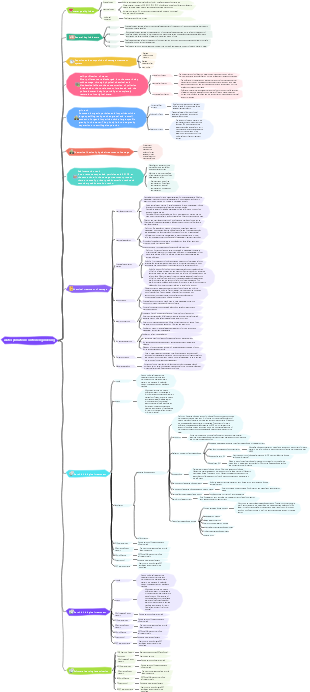
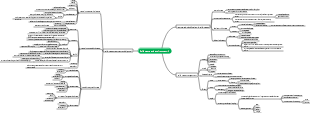
This is a mind map about soil environment in environmental science, including a summary of key knowledge points such as soil composition and quality, soil pollution, and the remediation of contaminated soil.
Edited at 2024-01-15 15:53:29This is a mind map about bacteria, and its main contents include: overview, morphology, types, structure, reproduction, distribution, application, and expansion. The summary is comprehensive and meticulous, suitable as review materials.

This is a mind map about plant asexual reproduction, and its main contents include: concept, spore reproduction, vegetative reproduction, tissue culture, and buds. The summary is comprehensive and meticulous, suitable as review materials.
This is a mind map about the reproductive development of animals, and its main contents include: insects, frogs, birds, sexual reproduction, and asexual reproduction. The summary is comprehensive and meticulous, suitable as review materials.
This is a mind map about bacteria, and its main contents include: overview, morphology, types, structure, reproduction, distribution, application, and expansion. The summary is comprehensive and meticulous, suitable as review materials.
This is a mind map about plant asexual reproduction, and its main contents include: concept, spore reproduction, vegetative reproduction, tissue culture, and buds. The summary is comprehensive and meticulous, suitable as review materials.
This is a mind map about the reproductive development of animals, and its main contents include: insects, frogs, birds, sexual reproduction, and asexual reproduction. The summary is comprehensive and meticulous, suitable as review materials.
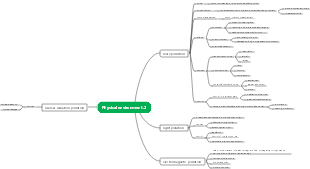
Soil environment.2
soil composition and quality
what is soil
soil is a component of the surface layer of earth
provides necessary nutrition,water and habitat for organisms
soil environment
solid
minerals
organic substances
porous fraction
liquid
gas
formation
physical weathering
temperature
water
wind
chemical weathering
dissolving of rocks
hydrolysis
splitting the water
molecules into hydrogen and hydroxyl ions
oxidation-reduction reactions
types of soil
sandy soil
consists of particles of weathered rock
very low nutrients
poor water holding capacity
is good for the drainage system
Silt soil
has much smaller particles which is made of rock and other mineral particles
is smooth and has fine quality
holds water better than sand
is more fertile
is used in agricultural practices to improve fertility
clay soil
has the smallest particle
tightly packed together
with very little or no airspace
has very good water storage qualities
is the densest and heaviest type of soil
which does not drain well or provide space for plant roots to flourish
importance
sustaining plants and animals
provide a stable base to support plant roots
stores water and nutrients
cycling nutrients
soil is the stomach of the Earth
soil assists the natural world with nutrient cycling by providing a home for the chemical ,physical and biological processes tpo occur
living organisms use the soil to breakdown wastes into new materials that can be used by organisms again
regulating water
filtration
soil is the Earth's natural water filter
storage
soil acts like a sponge when it rains
holding on the water
the water held in the soil can be used by living organisms
released into the earth's underground storage system
released into streams,rivers or lakes orevaporated back into the atmosphere
quality
capacity of a soil to function within its ecosystem to
sustain biological productivity
maintain environmental quality
health of organisms
factors influencing soil quality
physico-chemical properties
texture
temperature/pH
oxygen
cations
organic matter
nutrients
microbial process
contributing to the carbon and nitrogen cycles
bacteria and other microbes participate in a variety of reactions
that affect nutrient cycling
soil self-purification
the process of reducing the activity and toxicity of pollutants by changing the concentration or form of pollutants in the soil environment through the role of soil itself under the action of natural factor
process
physical process
pollutants are removed due to the effects of soil temperature or wind
chemical process
pollutants are fixed or transformed by the chemical reactions such as acid-base neutralization and redox reaction
adsorption process
some pollutants are fixed by the adoration of soil particles
biologica process
te decomposition of organic pollutants by microorganisms or the uptake of heavy metals by some plants
the death of pathogens in the soil
some pathogens may die due to
sunlight exposure
change of the soil temperature
the bacteriacide produced by some plants
remediation of comtaminated soil
how to control soil pollution
limit the use of fertilizers and pesticides
grazing must be controlled and forest management should be done properly
Afforestation and retrostation must be taken place
proper treatment of industrial waste
proper disposing of plastics and other garbage materials
how to remediate contaminated soil
soil remeidation is a process where the contaminated soil is
removed
purified
soil remediation technologies
in-situ
is performed directly on the site without excavating soil or disturbing the soil structure
bioremediation or phytoremediation
use of microorganisms and plants for the decontamination of soil
ex-situ
is performed indirectly with the excavation and transport of polluted soils to a special land
thermal remediation
raise temperature forces contaminations vapor phase
the pollutants are extracted from the soil
the off-gas will be treated by adsorption or combustion
soil decotamination via leaching or washing
the green technology
Phytoremediation
use of green plants to remove pollutants from the soil or render them harmless
accumulation of metals in shoot tissues followed by harvesting
bioremediation
micro-organisms are used to break down the contaminants in the soil
soil pollution
is defined as the change in physical,chemical and biological conditions of the soil through natural accumulation or transformation or anthropogenic intervention resulting in the degradation in soil quality
what causes the soil pollution
industrial activities
Improper management and disposal of the toxic wastes generated during industrial activities
agricultural activities
use highly toxic ertilizers and pesticides
daily life activities
the demolition of old buildings can involve the contamination of nearby soil with asbestos
usage of lead-based point during construction activities can also pollute the soil with hazardous concentrations of lead
sewage produced in urbanized areas can also contaminate soil
improper disposal waste
Improper disposal of highly toxic industrial /chemical waste can severely pollute the soil
the storage of toxic wastes in landfills canresult in the seepage of the waste into the soil.this waste can pollute groundwater as well
other forms of waste that can pollute soil include nuclear waste ,e-waste and coal ash
pollutants in the soil
inorganic pollutants
organic pollutants
biological pollutants