MindMap Gallery How to learn English without basic knowledge
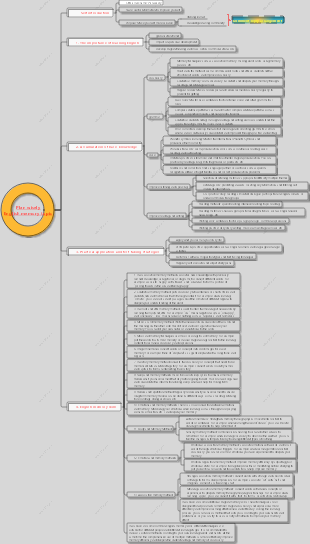
This is a mind map about how to learn English with zero basic knowledge, including setting learning goals, learning basic English knowledge, and accumulating English vocabulary, etc.
Edited at 2023-11-16 11:44:38This is a mind map about bacteria, and its main contents include: overview, morphology, types, structure, reproduction, distribution, application, and expansion. The summary is comprehensive and meticulous, suitable as review materials.

This is a mind map about plant asexual reproduction, and its main contents include: concept, spore reproduction, vegetative reproduction, tissue culture, and buds. The summary is comprehensive and meticulous, suitable as review materials.
This is a mind map about the reproductive development of animals, and its main contents include: insects, frogs, birds, sexual reproduction, and asexual reproduction. The summary is comprehensive and meticulous, suitable as review materials.
This is a mind map about bacteria, and its main contents include: overview, morphology, types, structure, reproduction, distribution, application, and expansion. The summary is comprehensive and meticulous, suitable as review materials.
This is a mind map about plant asexual reproduction, and its main contents include: concept, spore reproduction, vegetative reproduction, tissue culture, and buds. The summary is comprehensive and meticulous, suitable as review materials.
This is a mind map about the reproductive development of animals, and its main contents include: insects, frogs, birds, sexual reproduction, and asexual reproduction. The summary is comprehensive and meticulous, suitable as review materials.
How to learn English without basic knowledge
Set learning goals
Set learning goals
Determine the purpose of learning English
Career Development
Improve English communication skills
Increase employment opportunities
Academic Research
Read English literature
Write an English paper
Study abroad
improve english level
Adapt to life abroad
hobby
learn english culture
Improve English speaking skills
Set study plan
Determine study time
daily study time
Weekly study time
Develop learning content
Vocabulary
grammar
hearing
spoken language
Set learning goals
short term goals
Master basic vocabulary
Understand basic grammar
Long-term goals
Fluent spoken English
Read English literature
Find learning resources
English textbook
Elementary English textbook
Intermediate English textbooks
Advanced English Textbook
English learning software
Word memorization software
English listening software
English speaking software
English learning website
English learning forum
English Learning Blog
English learning videos
Develop learning strategies
Comprehensive development of listening, speaking, reading and writing
listening training
listen to english songs
listen to english news
Oral training
English corner
English dubbing
reading training
read english books
Read English articles
writing training
English diary
English essay
Review and test regularly
Review learned knowledge regularly
Regular English tests
Stay motivated
Set up reward system
Reward yourself after completing learning tasks
Find study partners
Monitor each other’s learning progress
Encourage each other to learn confidence;
Learn the basics of English
Learn letters and sounds
Learn 26 letters and sounds
Learn the pronunciation and writing of each letter
Learn the pronunciation skills of each letter
Learn the writing techniques for each letter
Learn to pronounce and write letter combinations
Learn pronunciation techniques for common letter combinations
Learn writing techniques for common letter combinations
Learn phonetic symbols and pronunciation
Learn 48 International Phonetic Alphabets and pronunciations
Learn the pronunciation skills of each phonetic symbol
Learn the writing skills for each phonetic symbol
Learn syllables and pronunciation
Learn how to divide syllables
learn how to pronounce
Learn vocabulary and grammar
Learn common vocabulary and grammar
Learn common vocabulary and grammar usage
Learn common vocabulary and grammar in context
Learn common vocabulary and grammar examples
Learn parts of speech and grammar
Learn nouns, verbs, adjectives and other parts of speech
Learn the characteristics and usage of each part of speech
Learn grammar such as subject, predicate, object, etc.
Learn the features and usage of each grammar
Learn sentence structure and tenses
Learn simple and complex sentences
Learn the formation and usage of simple sentences
Learn subject, predicate, and object structures
Learn subjects, linking verbs, and predicative structures
Learn the formation and usage of complex sentences
Learn subject-subordinate compound sentences
Learn parallel compound sentences
Learn tenses such as present simple tense and past simple tense
Learn the characteristics and usage of each tense
Learn the verb conjugations for each tense
Learn the sentence structure of each tense;
Accumulate English vocabulary
1. Make a study plan and study for at least half an hour every day.
Determine the number and frequency of vocabulary words to learn each day
Set learning and review cycles
2. Start with basic vocabulary and gradually increase your vocabulary Master the basic vocabulary first and then expand.
Choose a vocabulary book or vocabulary list that suits your level
Use online resources or mobile apps to learn
3. Expand your vocabulary through reading and choose reading materials that suit you.
4. Pay attention to the spelling and pronunciation of words. Only by combining the two can you remember them better.
5. Use effective vocabulary memory methods
Use root affix memory method
Combine context and example sentences to memorize
Use association and image mnemonics
Use word cards, mobile apps, etc. to assist memory and review learned vocabulary repeatedly.
6. Learn vocabulary in context, Master common expressions through listening, speaking, reading and writing exercises.
Focus on practical applications of vocabulary
Use learned vocabulary in reading, listening and speaking
Try writing diaries or essays in English to improve your vocabulary skills.
7. Conduct vocabulary tests and review regularly
Use vocabulary testing software or test papers to test yourself
Regularly review and consolidate learned vocabulary
8. Persevere, persevere, accumulate a little bit every day, and your English vocabulary will improve significantly.
Improve English listening and speaking skills
Listen to English songs, movies and TV series
1. Keep listening practice every day, such as listening to English news, English songs or watching English movies.
2. Have the courage to express yourself, communicate more with native English speakers, and participate in language exchange activities.
3. Learn phonetic symbols, understand the pronunciation of words, and improve spoken pronunciation.
4. Practice reading and imitating the intonation, pronunciation and accent of native English speakers.
5. Attend an English corner or language course to improve your English listening and speaking skills.
6. Improve listening and speaking skills with the help of modern technology, such as mobile applications Duolingo, HelloTalk or Rosetta Stone.
Practice English reading and writing skills
Read articles and books in English
Practice English writing skills and expressions
Practice English reading and writing skills
reading skills
Learn reading strategies
Read different types of articles
Read news, novels, academic papers, etc.
Practice reading speed
Stay focused while reading
Set reading time goals
Improve vocabulary
Learn new words and phrases
Use tools like vocabulary lists, flashcards, and more
Learn word usage and collocations
Read examples, articles, etc.
Understand the structure of the article
Learn how articles are organized
Paragraph structure, sentence structure, etc.
Understand the author’s point of view and intent
Analyze the topic, arguments and arguments of the article
Writing Skills
Learn writing strategies
Learn different types of writing styles
Narratives, argumentative essays, expository essays, etc.
Learn the steps of writing
Conceiving, drafting, revising, polishing, etc.
Improve writing skills
Practice writing skills
Sentence structure, paragraph structure, etc.
Learn how to express opinions and emotions
Use rhetorical techniques, expressions, etc.
Learn how to revise and polish articles
Check for grammar, spelling and punctuation errors
Use grammar and spell check tools
Modify the structure and content of the article
Adjust the order of paragraphs, delete redundant content, etc.;
Take English exams and certifications
Take an English proficiency test
Obtain an English Proficiency Certificate
Continuously learn and improve your English
Keep learning English every day
Find learning resources and methods
Attend English training and courses