MindMap Gallery Lifelong Growth Reading Notes
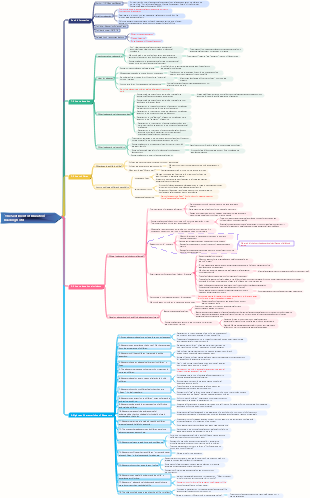
Stanford University psychology professor Carol Dweck's classic work "Lifelong Growth", which summarizes decades of research, will lead us along the path of two different thinking modes of human beings to understand the reasons for different thinking modes. The impact of thinking modes on The impact of life and the important role of thinking patterns in school education and other fields.
Edited at 2024-09-06 01:16:14이것은 곤충학에 대한 마인드 맵으로, 곤충의 생태와 형태, 생식 및 발달, 곤충과 인간의 관계를 연구하는 과학입니다. 그것의 연구 대상은 곤충으로, 가장 다양하고 가장 많은 수의 동물이며 생물학적 세계에서 가장 널리 분포되어 있습니다.
이것은 어린이의 내부 동기를 육성하는 방법에 대한 마인드 맵입니다. 기업가를위한 실용적인 가이드, 주요 내용 : 요약, 7. 정서적 연결에주의를 기울이고, 과도한 스트레스를 피하십시오.
이것은 자동화 프로젝트 관리 템플릿, 주요 내용에 대한 마인드 맵입니다. 메모, 시나리오 예제, 템플릿 사용 지침, 프로젝트 설정 검토 단계 (What-Why-How), 디자인 검토 단계 (What-Why-How), 수요 분석 단계 (What-Why-How)에 대한 마인드 맵입니다.
이것은 곤충학에 대한 마인드 맵으로, 곤충의 생태와 형태, 생식 및 발달, 곤충과 인간의 관계를 연구하는 과학입니다. 그것의 연구 대상은 곤충으로, 가장 다양하고 가장 많은 수의 동물이며 생물학적 세계에서 가장 널리 분포되어 있습니다.
이것은 어린이의 내부 동기를 육성하는 방법에 대한 마인드 맵입니다. 기업가를위한 실용적인 가이드, 주요 내용 : 요약, 7. 정서적 연결에주의를 기울이고, 과도한 스트레스를 피하십시오.
이것은 자동화 프로젝트 관리 템플릿, 주요 내용에 대한 마인드 맵입니다. 메모, 시나리오 예제, 템플릿 사용 지침, 프로젝트 설정 검토 단계 (What-Why-How), 디자인 검토 단계 (What-Why-How), 수요 분석 단계 (What-Why-How)에 대한 마인드 맵입니다.
lifelong growth
1. Two modes of thinking of people
Classification of two modes of thinking
fixed mindset
Talent remains unchanged
Evaluate yourself based on what happened
Worry that you are not smart enough and afraid of challenges
Blame others or make excuses
growth mindset
Ability can be improved through hard work
learn from failure
Different characteristics of the two modes of thinking
The accuracy of self-evaluation varies
Fixed: Assessment of one's own abilities is either good or bad
Growth type: Ability to openly evaluate one’s current level
View success differently
Fixed type: Strong self-esteem, not only feel proud after success, but also develop a sense of superiority
Growth type: believes that success means expanding one’s abilities and becoming smarter and smarter
View failure differently
Fixed: Being struck down by failure can be a permanent, lingering trauma.
Growth type: Failure is a painful experience, but it does not define you
Different perspectives on effort
Fixed: Only the incompetent need to work hard
Growth type: Even geniuses must work hard to achieve success
Brain waves are different
Fixed type: only interested in feedback that reflects their ability
Growth Type: Highly concerned with information that improves knowledge levels
2. The truth about ability and achievement
fixed mindset
Disdain to work hard
Threats expose one's own shortcomings
Not paying attention to learning methods
Limit people's achievements
[Case] Different thinking patterns of medical university students
growth mindset
Have clear goals
Willing to learn from peers
Good at finding learning patterns
Learn from your mistakes
Helping people develop their abilities and achieve success
[Case] The underachievers at Garfield High School counterattack
3. Reflection of two modes of thinking
physical education
fixed thinker
establish one's superiority
Can't stand being labeled a failure
Continue to prove your talent and become like a star
Advocating talent
growth thinker
Success comes from learning, hard work and self-improvement
Frustration can give people motivation, experience and lessons
Take control of your own journey to success and staying successful
Believe that success can be achieved through hard work
Advocate hard work
[Case] Famous basketball star Michael Jordan
Business
fixed thinker
In management, talent comes first, genius does not need a good team
In terms of status, I want to be the only important person in the company and highlight myself as superior to others.
In terms of performance, they are eager to show their superiority and even use subordinates to prove it.
personal greatness
[Case] Lee Iacocca’s Conceit
growth thinker
Care about learning, growth and development
Select employees based on their mindset
Keep learning, not afraid of setbacks and accept criticism openly
Excellent team
[Case] Jack Welch’s Listening and Collaboration
interpersonal relationships
love relationship
fixed thinker
It takes effort and it is destined not to belong to you
There is negativity in the problem
【Case】Love without management
growth thinker
A healthy relationship requires joint efforts from both parties
Give up the blame and move on
interpersonal relationships
fixed thinker
Bullying others to elevate one's own status
school violence
Worry that others will belittle you, prone to anxiety
【Case】Shy George
growth thinker
Actively manage relationships
Focus on others, not what others say about you
educate
parents and teachers
fixed thinker
Don't care about children's interests and potential
Praise your child's intelligence
Setting standards that are too high but not teaching children how to meet them
[Case] Sandy’s Parents’ Harvard Dream
growth thinker
Focus on process and growth
Give children the honest truth and constructive feedback
Give children space to grow and help them achieve their goals
[Case] Gary who refused to learn changed
coach
fixed thinker
Avoid failure
[Case] Cruel Coach Porter Knight
growth thinker
Be fully prepared and go all out
Be careful with victory
【Case】Forever Coach John Wooden
4. Growth mindset
Three misunderstandings
Classify your favorite strengths into a growth mindset
It’s all about hard work, exaggerating the efforts of others
you can do anything
Develop a growth mindset
Learn how to praise your children
Confronting your child’s mistakes and failures
Pay attention to children’s understanding of knowledge
5. Change thinking patterns
Prerequisite understanding of the brain
The brain, like muscles, is highly malleable
The brain is extremely active when making mistakes or encountering challenges
Four Steps to Achieving a Growth Mindset
accept
The fact that most people have a mixture of two minds
observe
Four manifestations, attract attention, what kind of feeling, find the reason
name
Give each performance a name
self education
Educate him and train him deliberately
author
[US] Carol S.Dweck Carol S.Dweck
Position
Member of the American Academy of Arts and Sciences
William Ransford Professor of Psychology, Columbia University
Professor of Behavioral Psychology at Stanford University
Outstanding researcher in the fields of personality, social and developmental psychology
"Theory of the Self: The Role of Motivation, Personality, and Development" was named Book of the Year by the World Education Association