Increased workload and time burden
Women are often responsible for household chores and caregiving, which become more demanding due to climate change.
They have to spend more time on tasks like collecting water, fuel, and food, as these resources become scarce.
The workload increase can limit their ability to engage in income-generating activities or pursue education.
Limited access to natural resources
As climate change leads to resource scarcity, women face difficulties accessing clean water, food, and energy.
They may have to travel long distances or resort to unsafe alternatives, such as using contaminated water or biomass for cooking, posing health risks.
Limited access to natural resources hampers their ability to provide for their families and participate in economic activities.
Deteriorating food security and nutrition
Climate change affects agriculture and reduces crop yields, leading to food scarcity and increased prices.
Women, especially in developing countries, play a significant role in food production and household food security.
Decreased agricultural productivity affects their nutrition and the health of their families, particularly pregnant women and children.
Vulnerability to extreme weather events
Women are often more vulnerable to the impacts of extreme weather events like hurricanes, floods, and droughts.
Lack of access to information, resources, and decision-making processes increases their vulnerability.
In disaster situations, women may face challenges in accessing shelters, healthcare, and livelihood opportunities.
Decreased access to healthcare and reproductive services
Climate change affects healthcare infrastructure and service availability, particularly in vulnerable regions.
Women's reproductive health services, including prenatal and postnatal care, family planning, and access to contraceptives, may be limited.
This jeopardizes their reproductive rights, increases maternal mortality, and hampers overall community health.
Disproportionate impacts on livelihoods and income
Women, especially in rural areas, heavily rely on climate-sensitive sectors like agriculture and forestry for their livelihoods.
Climate change disrupts these sectors, leading to economic losses and unemployment, predominantly affecting women.
Lack of alternative income opportunities exacerbates poverty and gender inequality.
Increased risk of displacement and migration
Climate change-induced disasters and environmental degradation force communities, including women, to migrate or relocate.
Displacement can increase risks of violence, exploitation, and loss of social networks, particularly impacting women's safety and well-being.
Migrant women often face challenges in accessing healthcare, education, and economic opportunities in new locations.
Greater exposure to gender-based violence
Climate change exacerbates existing gender inequalities and power dynamics, increasing the risk of gender-based violence.
Forced displacement, resource scarcity, and stressful conditions contribute to higher rates of domestic violence, sexual assault, and exploitation.
Lack of adequate support systems and discrimination further exacerbate these vulnerabilities.
Limited participation in decision-making processes
Women often face barriers in participating in climate change decision-making at local, national, and international levels.
Their voices, perspectives, and knowledge are underrepresented, hindering effective and inclusive policies and mitigation strategies.
Increasing women's participation would lead to more equitable and sustainable climate action.
Unequal access to education and training
Climate change impacts often force families to prioritize limited resources, leading to decreased investments in girls' education.
Women and girls may face barriers in accessing education, including increased child marriages, early pregnancies, and lack of educational facilities.
Limited education and training opportunities restrict their ability to adapt to changing climate conditions and engage in climate change-related professions.
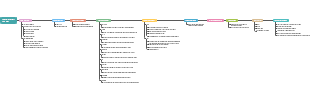
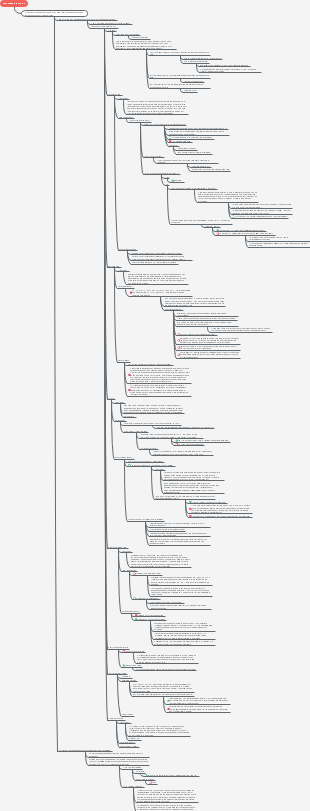
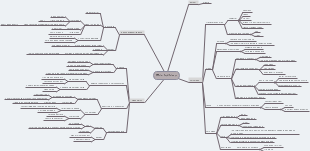
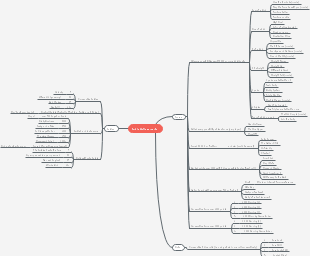
Climate Change's Impacts on Women
Health Impacts
Physical health
Vector-borne diseases (e.g., malaria, dengue)
Maternal health risks (e.g., preterm births)
Reproductive health issues
Mental health
PTSD due to climate stressors
Water-related diseases
Cholera from contaminated water sources
Economic Impacts
Livelihoods
Women's roles in agriculture affected by
Informal sectors affected by climate shifts
Poverty
Greater poverty risks for women, especially in
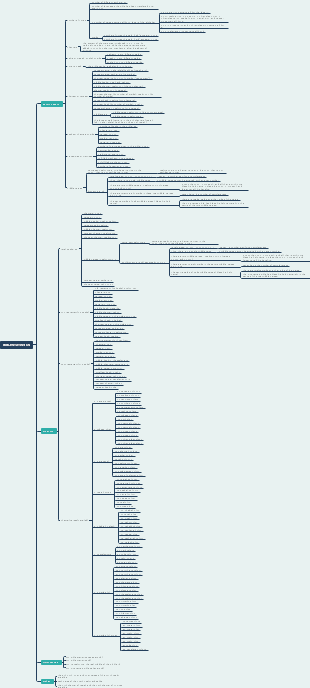
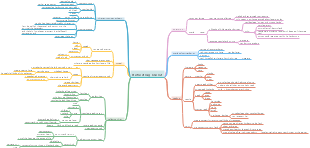
This multi-level outline provides a detailed overview of the impacts of climate change on women, highlighting the various ways in which climate change disproportionately affects women and perpetuates gender injustice. Each subtopic explores specific aspects and consequences, contributing to a comprehensive understanding of the issue.
 Wondershare EdrawMind