MindMap Gallery Best practices in early education
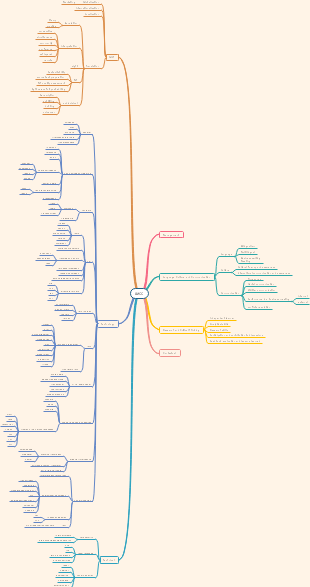
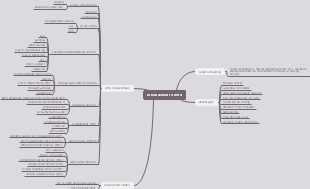
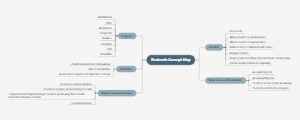
This is a clear mind map titled "Best practices in early education," which primarily explains the child-centered approach, holistic development, and positive reinforcement. Each content is further elaborated at multiple levels. For example, the child-centered approach emphasizes respecting children's individual differences and autonomy by observing and listening to understand their interests and needs; holistic development focuses on balancing physical, intellectual, emotional, and social aspects of children through providing diverse activities and resources; positive reinforcement enhances positive behaviors through rewards and encouragement, establishing a positive learning environment. These best practices aim to provide a supportive and effective learning environment for children, promoting their overall growth and development.
Edited at 2024-10-13 05:17:49In the introduction section, elastin is a protein that plays a crucial role in the body, endowing tissues with elasticity and toughness. Its properties include high elasticity and good ductility. Elastin has a wide range of sources and is commonly found in animal connective tissues such as skin and blood vessels. When using elastin in products, the amount and method of addition should be determined based on the characteristics of the product. It has many uses and can be added to skincare products to enhance skin elasticity and reduce wrinkles; Improving food texture and enhancing taste in the food industry; In the medical field, it can be used to make elastic scaffolds such as artificial blood vessels, providing support for tissue repair. Reasonable use can play its unique value.

This document aims to guide the proper use of proteins. Proteins are the fundamental substances that make up life and are essential for maintaining normal physiological functions in the body, with a wide variety of types. When using protein, daily diet is an important source, such as meat, eggs, etc., which are rich in high-quality protein. Measuring protein intake can be done using professional tools or methods to ensure that the intake meets the body's needs. When mixing protein powder, it should be prepared according to the recommended ratio, and the water temperature should not be too high to avoid damaging the protein activity. Different groups of people have different protein requirements, such as athletes and fitness enthusiasts who can increase their intake appropriately to meet the needs of body repair and muscle growth.
Introduction to Unsaturated Polyester Resin: It is an important thermosetting resin with various excellent properties. It has a wide range of applications and is used in the construction industry to produce fiberglass products such as doors, windows, decorative panels, etc; Used in the automotive industry for manufacturing body components. The advantages of use include simple molding process, low cost, and chemical corrosion resistance. However, it also faces challenges and limitations, such as relatively poor heat resistance and susceptibility to aging. During use, corresponding protective measures should be taken according to specific application scenarios, such as adding heat-resistant agents, antioxidants, etc., to extend their service life and fully leverage their advantages.
In the introduction section, elastin is a protein that plays a crucial role in the body, endowing tissues with elasticity and toughness. Its properties include high elasticity and good ductility. Elastin has a wide range of sources and is commonly found in animal connective tissues such as skin and blood vessels. When using elastin in products, the amount and method of addition should be determined based on the characteristics of the product. It has many uses and can be added to skincare products to enhance skin elasticity and reduce wrinkles; Improving food texture and enhancing taste in the food industry; In the medical field, it can be used to make elastic scaffolds such as artificial blood vessels, providing support for tissue repair. Reasonable use can play its unique value.
This document aims to guide the proper use of proteins. Proteins are the fundamental substances that make up life and are essential for maintaining normal physiological functions in the body, with a wide variety of types. When using protein, daily diet is an important source, such as meat, eggs, etc., which are rich in high-quality protein. Measuring protein intake can be done using professional tools or methods to ensure that the intake meets the body's needs. When mixing protein powder, it should be prepared according to the recommended ratio, and the water temperature should not be too high to avoid damaging the protein activity. Different groups of people have different protein requirements, such as athletes and fitness enthusiasts who can increase their intake appropriately to meet the needs of body repair and muscle growth.
Introduction to Unsaturated Polyester Resin: It is an important thermosetting resin with various excellent properties. It has a wide range of applications and is used in the construction industry to produce fiberglass products such as doors, windows, decorative panels, etc; Used in the automotive industry for manufacturing body components. The advantages of use include simple molding process, low cost, and chemical corrosion resistance. However, it also faces challenges and limitations, such as relatively poor heat resistance and susceptibility to aging. During use, corresponding protective measures should be taken according to specific application scenarios, such as adding heat-resistant agents, antioxidants, etc., to extend their service life and fully leverage their advantages.
Best practices in early education
Childcentered approach
Focus on individual child's needs and interests
Observe children to understand their unique interests and learning styles
Provide a variety of activities that cater to different developmental stages
Encourage selfdirected learning
Create an environment where children can make choices about their activities
Facilitate problemsolving and critical thinking through play
Holistic development
Promote physical, cognitive, emotional, and social growth
Incorporate physical activities to enhance motor skills
Use educational games to stimulate cognitive development
Foster emotional intelligence through storytelling and roleplay
Support social development by encouraging group activities and cooperation
Balance structured and unstructured play
Provide time for free play to allow children to explore and create
Introduce structured activities to teach specific skills and concepts
Positive reinforcement
Use praise and rewards to encourage positive behavior
Acknowledge children's efforts and achievements to build confidence
Implement a reward system that is ageappropriate and noncompetitive
Avoid negative discipline methods
Stay away from punishment that may harm a child's selfesteem
Use redirection and positive guidance to manage challenging behaviors
Family and community involvement
Engage parents and caregivers in the learning process
Hold parentteacher conferences to discuss child's progress
Provide resources and workshops for parents to support learning at home
Connect with the local community
Organize field trips to local landmarks and businesses
Invite community members, such as police officers or firefighters, to speak to the children
Cultural sensitivity and inclusivity
Respect and celebrate diversity within the classroom
Incorporate multicultural materials and activities to reflect the diversity of the children
Teach children about different cultures through books, music, and food
Ensure all children feel included and valued
Use inclusive language and materials that represent all children
Adapt activities to be accessible to children with varying abilities
Safe and nurturing environment
Maintain a clean, organized, and hazardfree classroom
Regularly check toys and materials for safety
Ensure the classroom layout promotes free movement and minimizes accidents
Provide emotional support and comfort
Offer a listening ear and reassurance to children when needed
Create a routine that provides a sense of security and predictability
Curriculum integration
Use an integrated curriculum that connects different subject areas
Link literacy with science by reading books about animals and then visiting a zoo
Combine math with art by counting objects and creating patterns with craft materials
Incorporate technology in an ageappropriate manner
Use educational apps and interactive whiteboards to enhance learning
Teach basic computer skills and digital citizenship
Professional development for educators
Encourage ongoing training and learning for teachers
Provide workshops and courses on new educational methods and child development
Support teachers in obtaining certifications and advanced degrees
Foster a collaborative and reflective teaching environment
Encourage teachers to share ideas and best practices with each other
Promote selfreflection and critical analysis of teaching strategies
Assessment and documentation
Use a variety of assessment methods to track progress
Observe children regularly and document their development
Conduct formal and informal assessments to inform instruction
Communicate assessment results with families
Provide regular updates on children's progress and areas for growth
Involve parents in setting goals and planning for their child's education
Playbased learning
Recognize the importance of play in early childhood education
Understand that play is a child's natural way of learning and exploring the world
Provide a variety of play opportunities, including dramatic play, construction, and sensory play
Integrate academic concepts into play
Guide children's play to introduce early literacy and numeracy skills
Use play to teach problemsolving and collaborative skills
Health and nutrition
Promote healthy eating habits
Provide nutritious snacks and meals that reflect balanced diets
Educate children about the importance of good nutrition and healthy choices
Encourage physical activity
Plan daily physical activities to develop gross motor skills
Offer a variety of movement experiences, such as dancing, jumping, and balancing
Environmental education
Teach children about the natural world and their role in it
Incorporate nature walks and outdoor learning experiences
Discuss the importance of recycling, conservation, and protecting the environment
Use the environment as a learning tool
Create learning centers that focus on different aspects of nature, such as plants, animals, and weather
Encourage children to observe and document changes in their environment
Socialemotional learning
Help children develop empathy and understanding of others
Read stories that explore different emotions and perspectives
Facilitate group discussions and activities that promote understanding and kindness
Teach conflict resolution and emotional regulation
Model and practice strategies for managing strong emotions
Guide children through conflict situations to find peaceful solutions
Language and literacy development
Create a languagerich environment
Surround children with books, labels, and signs to promote reading readiness
Engage children in conversations and storytelling to expand vocabulary and comprehension
Introduce early writing skills
Provide opportunities for children to practice writing through drawing, labeling, and simple writing activities
Teach letter recognition and formation in a playful and developmentally appropriate way
Mathematics and science exploration
Introduce basic math concepts through everyday experiences
Count objects during daily routines and play
Explore shapes and patterns through sorting and building activities
Foster scientific inquiry and observation
Encourage questions and exploration of the natural world
Conduct simple experiments and investigations to develop understanding of scientific principles
Arts and creativity
Encourage selfexpression through various art forms
Provide a wide range of materials for drawing, painting, sculpting, and crafting
Organize performances and presentations to showcase children's creative work
Integrate the arts into other areas of learning
Use music and movement to teach concepts in math and language arts
Create interdisciplinary projects that combine art with science or social studies
Special needs accommodations
Adapt teaching strategies and materials to meet individual needs
Provide alternative ways of accessing information for children with learning differences
Use visual aids, manipulatives, and technology to support children with special needs
Collaborate with specialists and therapists
Work with speech therapists, occupational therapists, and other professionals to support children's development
Incorporate their recommendations into the classroom environment and curriculum
Continuous quality improvement
Regularly review and update educational practices and materials
Stay informed about the latest research and trends in early childhood education
Revise lesson plans and activities to reflect new insights and information
Seek feedback from children, parents, and staff
Gather input on what is working well and what could be improved
Use feedback to make informed decisions about program enhancements