MindMap Gallery The educational needs of the LGBTQ community
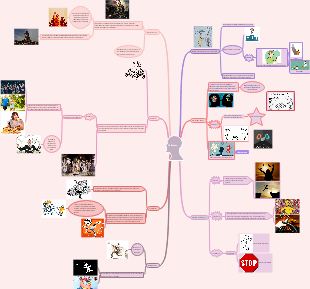
The educational needs of the LGBTQ+ community involve understanding the community, curriculum development, teacher training, and professional development. Each aspect is further explained on several levels, providing a comprehensive perspective for meeting the educational needs of this special group.
Edited at 2024-10-13 05:19:47In the introduction section, elastin is a protein that plays a crucial role in the body, endowing tissues with elasticity and toughness. Its properties include high elasticity and good ductility. Elastin has a wide range of sources and is commonly found in animal connective tissues such as skin and blood vessels. When using elastin in products, the amount and method of addition should be determined based on the characteristics of the product. It has many uses and can be added to skincare products to enhance skin elasticity and reduce wrinkles; Improving food texture and enhancing taste in the food industry; In the medical field, it can be used to make elastic scaffolds such as artificial blood vessels, providing support for tissue repair. Reasonable use can play its unique value.
This document aims to guide the proper use of proteins. Proteins are the fundamental substances that make up life and are essential for maintaining normal physiological functions in the body, with a wide variety of types. When using protein, daily diet is an important source, such as meat, eggs, etc., which are rich in high-quality protein. Measuring protein intake can be done using professional tools or methods to ensure that the intake meets the body's needs. When mixing protein powder, it should be prepared according to the recommended ratio, and the water temperature should not be too high to avoid damaging the protein activity. Different groups of people have different protein requirements, such as athletes and fitness enthusiasts who can increase their intake appropriately to meet the needs of body repair and muscle growth.
Introduction to Unsaturated Polyester Resin: It is an important thermosetting resin with various excellent properties. It has a wide range of applications and is used in the construction industry to produce fiberglass products such as doors, windows, decorative panels, etc; Used in the automotive industry for manufacturing body components. The advantages of use include simple molding process, low cost, and chemical corrosion resistance. However, it also faces challenges and limitations, such as relatively poor heat resistance and susceptibility to aging. During use, corresponding protective measures should be taken according to specific application scenarios, such as adding heat-resistant agents, antioxidants, etc., to extend their service life and fully leverage their advantages.
In the introduction section, elastin is a protein that plays a crucial role in the body, endowing tissues with elasticity and toughness. Its properties include high elasticity and good ductility. Elastin has a wide range of sources and is commonly found in animal connective tissues such as skin and blood vessels. When using elastin in products, the amount and method of addition should be determined based on the characteristics of the product. It has many uses and can be added to skincare products to enhance skin elasticity and reduce wrinkles; Improving food texture and enhancing taste in the food industry; In the medical field, it can be used to make elastic scaffolds such as artificial blood vessels, providing support for tissue repair. Reasonable use can play its unique value.
This document aims to guide the proper use of proteins. Proteins are the fundamental substances that make up life and are essential for maintaining normal physiological functions in the body, with a wide variety of types. When using protein, daily diet is an important source, such as meat, eggs, etc., which are rich in high-quality protein. Measuring protein intake can be done using professional tools or methods to ensure that the intake meets the body's needs. When mixing protein powder, it should be prepared according to the recommended ratio, and the water temperature should not be too high to avoid damaging the protein activity. Different groups of people have different protein requirements, such as athletes and fitness enthusiasts who can increase their intake appropriately to meet the needs of body repair and muscle growth.
Introduction to Unsaturated Polyester Resin: It is an important thermosetting resin with various excellent properties. It has a wide range of applications and is used in the construction industry to produce fiberglass products such as doors, windows, decorative panels, etc; Used in the automotive industry for manufacturing body components. The advantages of use include simple molding process, low cost, and chemical corrosion resistance. However, it also faces challenges and limitations, such as relatively poor heat resistance and susceptibility to aging. During use, corresponding protective measures should be taken according to specific application scenarios, such as adding heat-resistant agents, antioxidants, etc., to extend their service life and fully leverage their advantages.
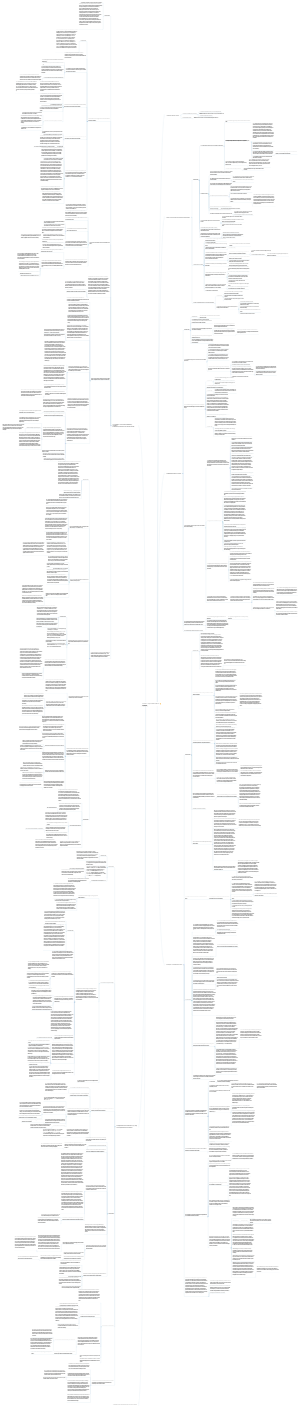
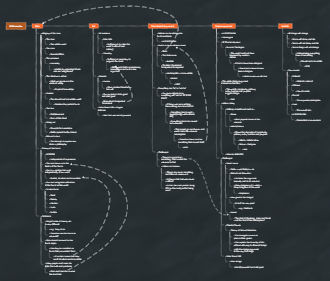
The educational needs of the LGBTQ+community
Understanding the community
Definition of LGBTQ+
Lesbian: Women attracted to women
Gay: Men attracted to men
Bisexual: Attraction to both genders
Transgender: Nonconformity to traditional gender roles
Queer/Questioning: Broad term for nonheterosexual identities
Plus: Other identities including intersex, asexual, etc.
Importance of inclusive language
Avoiding heteronormative terms
Using preferred pronouns and names
Promoting genderneutral language
Curriculum development
Inclusion of LGBTQ+ history
Historical figures and events
Civil rights movements
Impact on society and culture
Diverse representation in textbooks
Inclusion of LGBTQ+ authors and perspectives
Stories and examples featuring LGBTQ+ characters
Multicultural and intersectional approach
Sexual education tailored to LGBTQ+ youth
Safe sex practices specific to LGBTQ+ individuals
Mental health and wellbeing information
Resources for support and counseling
Teacher training and professional development
Sensitivity and awareness training
Understanding LGBTQ+ terminology
Recognizing and preventing microaggressions
Creating a supportive classroom environment
Best practices for inclusive teaching
Adapting lesson plans to be genderneutral
Encouraging open dialogue and discussion
Supporting LGBTQ+ students' individual needs
Student support services
Counseling and mental health resources
Access to LGBTQ+ friendly counselors
Support groups for LGBTQ+ students
Training for mental health professionals
Antibullying policies and programs
Addressing LGBTQ+ specific bullying
Peer support and mediation programs
Reporting mechanisms for LGBTQ+ related issues
Safe spaces and clubs
Creating LGBTQ+ student organizations
Safe space designations in schools
Promoting community and solidarity
Policy and advocacy
Advocating for LGBTQ+ inclusive policies
Supporting legislation that protects LGBTQ+ rights
Working with school boards for policy change
Engaging with local and national advocacy groups
Educational policy reform
Incorporating LGBTQ+ issues into educational standards
Training for school administrators on LGBTQ+ issues
Monitoring and evaluating policy effectiveness
Community involvement and partnerships
Collaboration with LGBTQ+ organizations
Partnerships for educational programs and resources
Joint initiatives for awareness and fundraising
Supporting research on LGBTQ+ education needs
Engaging parents and families
Educational workshops for families
Support groups for parents of LGBTQ+ children
Promoting family acceptance and understanding
Challenges and barriers
Resistance to LGBTQ+ inclusive education
Dealing with pushback from conservative groups
Addressing religious and cultural objections
Navigating political landscapes
Funding and resource allocation
Securing funding for LGBTQ+ educational initiatives
Prioritizing resources for underrepresented groups
Building sustainable financial models
Cultural and social stigma
Overcoming stereotypes and prejudices
Promoting cultural competency and diversity
Encouraging media representation and positive narratives
Research and data collection
Studying the impact of inclusive education
Evaluating academic performance and engagement
Assessing mental health outcomes
Analyzing social and emotional development
Gathering data on LGBTQ+ educational needs
Surveys and studies on student experiences
Collection of demographic information
Longitudinal research on LGBTQ+ educational outcomes
Informing policy and practice with evidence
Using research to guide curriculum development
Influencing policy through empirical evidence
Adjusting programs based on datadriven insights
International perspectives
Comparing LGBTQ+ educational needs globally
Differences in cultural acceptance and legal rights
Variations in educational systems and approaches
International collaboration and knowledge exchange
Addressing unique challenges in different regions
Supporting LGBTQ+ education in countries with restrictive laws
Building networks for LGBTQ+ educators and students worldwide
Adapting educational strategies to local contexts
Global advocacy and awareness
Promoting international human rights standards
Engaging with global organizations like UNESCO
Raising awareness through international campaigns