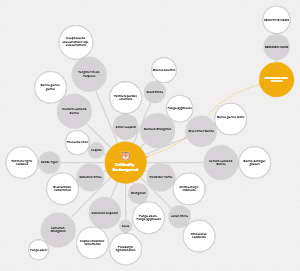
MindMap Gallery Protection of the Rights and Interests of Ethnic Minority Education
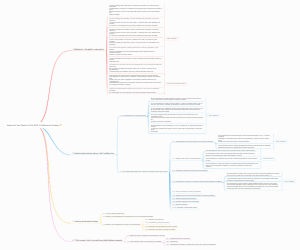
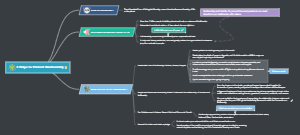
This clear mind map is titled "Protection of the Rights and Interests of Ethnic Minority Education", which mainly covers legal framework, policy implementation, cultural preservation, and other aspects. Each content has been further explained on several levels. Through these explanations, we can better understand the importance of protecting the rights and interests of ethnic minority education, and explore how to ensure the inheritance and development of ethnic minority cultures through legal frameworks and policy implementation.
Edited at 2024-10-13 05:21:38In the introduction section, elastin is a protein that plays a crucial role in the body, endowing tissues with elasticity and toughness. Its properties include high elasticity and good ductility. Elastin has a wide range of sources and is commonly found in animal connective tissues such as skin and blood vessels. When using elastin in products, the amount and method of addition should be determined based on the characteristics of the product. It has many uses and can be added to skincare products to enhance skin elasticity and reduce wrinkles; Improving food texture and enhancing taste in the food industry; In the medical field, it can be used to make elastic scaffolds such as artificial blood vessels, providing support for tissue repair. Reasonable use can play its unique value.
This document aims to guide the proper use of proteins. Proteins are the fundamental substances that make up life and are essential for maintaining normal physiological functions in the body, with a wide variety of types. When using protein, daily diet is an important source, such as meat, eggs, etc., which are rich in high-quality protein. Measuring protein intake can be done using professional tools or methods to ensure that the intake meets the body's needs. When mixing protein powder, it should be prepared according to the recommended ratio, and the water temperature should not be too high to avoid damaging the protein activity. Different groups of people have different protein requirements, such as athletes and fitness enthusiasts who can increase their intake appropriately to meet the needs of body repair and muscle growth.
Introduction to Unsaturated Polyester Resin: It is an important thermosetting resin with various excellent properties. It has a wide range of applications and is used in the construction industry to produce fiberglass products such as doors, windows, decorative panels, etc; Used in the automotive industry for manufacturing body components. The advantages of use include simple molding process, low cost, and chemical corrosion resistance. However, it also faces challenges and limitations, such as relatively poor heat resistance and susceptibility to aging. During use, corresponding protective measures should be taken according to specific application scenarios, such as adding heat-resistant agents, antioxidants, etc., to extend their service life and fully leverage their advantages.
In the introduction section, elastin is a protein that plays a crucial role in the body, endowing tissues with elasticity and toughness. Its properties include high elasticity and good ductility. Elastin has a wide range of sources and is commonly found in animal connective tissues such as skin and blood vessels. When using elastin in products, the amount and method of addition should be determined based on the characteristics of the product. It has many uses and can be added to skincare products to enhance skin elasticity and reduce wrinkles; Improving food texture and enhancing taste in the food industry; In the medical field, it can be used to make elastic scaffolds such as artificial blood vessels, providing support for tissue repair. Reasonable use can play its unique value.
This document aims to guide the proper use of proteins. Proteins are the fundamental substances that make up life and are essential for maintaining normal physiological functions in the body, with a wide variety of types. When using protein, daily diet is an important source, such as meat, eggs, etc., which are rich in high-quality protein. Measuring protein intake can be done using professional tools or methods to ensure that the intake meets the body's needs. When mixing protein powder, it should be prepared according to the recommended ratio, and the water temperature should not be too high to avoid damaging the protein activity. Different groups of people have different protein requirements, such as athletes and fitness enthusiasts who can increase their intake appropriately to meet the needs of body repair and muscle growth.
Introduction to Unsaturated Polyester Resin: It is an important thermosetting resin with various excellent properties. It has a wide range of applications and is used in the construction industry to produce fiberglass products such as doors, windows, decorative panels, etc; Used in the automotive industry for manufacturing body components. The advantages of use include simple molding process, low cost, and chemical corrosion resistance. However, it also faces challenges and limitations, such as relatively poor heat resistance and susceptibility to aging. During use, corresponding protective measures should be taken according to specific application scenarios, such as adding heat-resistant agents, antioxidants, etc., to extend their service life and fully leverage their advantages.
Protection of the Rights and Interests of Ethnic Minority Education
Legal Framework
International Conventions
Universal Declaration of Human Rights
Right to education for all
Nondiscrimination in education
Convention on the Rights of the Child
Special protection for children in ethnic minorities
Access to quality education
National Laws
Constitution of the country
Recognition of ethnic minority rights
Protection of cultural and educational rights
Education Acts
Policies for ethnic minority education
Implementation of bilingual education
Policy Implementation
Government Initiatives
Subsidies for ethnic minority schools
Financial support for infrastructure
Teacher salaries and training
Curriculum Development
Inclusion of ethnic minority languages and cultures
Adaptation of national curriculum to local contexts
Partnership Programs
Collaboration with NGOs
Communitybased education projects
Teacher exchange programs
International cooperation
Sharing best practices with other countries
Attracting foreign aid and expertise
Cultural Preservation
Language Education
Teaching ethnic minority languages
Development of language materials
Training of language teachers
Bilingual Education Models
Integration of minority languages with national languages
Encouraging language use in schools and communities
Cultural Heritage
Incorporation of traditional knowledge
Curriculum that reflects local history and culture
Support for traditional arts and crafts education
Festivals and Celebrations
Recognition of ethnic minority holidays
Promotion of cultural diversity through events
Access to Education
Infrastructure Development
Construction of schools in remote areas
Use of local materials and labor
Sustainable and ecofriendly designs
Provision of transportation
Buses or other means for students in remote locations
Safe and reliable routes
Financial Aid
Scholarships for ethnic minority students
Targeted support for higher education
Incentives for academic excellence
Free or subsidized textbooks and supplies
Reduction of financial barriers to education
Ensuring equal access to learning materials
Teacher Training and Support
Professional Development
Inservice training for teachers
Workshops on multicultural education
Training in bilingual teaching methods
Recruitment of local teachers
Employment of teachers from ethnic minority groups
Encouragement of community members to become educators
Support Services
Mentorship programs
Pairing experienced teachers with novices
Peertopeer learning and support
Mental health and counseling
Addressing the psychological needs of students and teachers
Providing resources for stress management and conflict resolution
Community Engagement
Parental Involvement
School management committees
Representation of ethnic minority parents
Participation in decisionmaking processes
Parentteacher associations
Strengthening homeschool communication
Organizing community education events
Local Leadership
Empowerment of community leaders
Training in educational leadership
Encouraging communitydriven educational initiatives
Collaboration with local authorities
Involvement in policymaking and implementation
Joint efforts in resource allocation and oversight
Monitoring and Evaluation
Data Collection and Analysis
Regular surveys and studies
Tracking educational progress of ethnic minorities
Identifying gaps and areas for improvement
Impact Assessment
Measuring the effectiveness of policies and programs
Adjusting strategies based on feedback and results
Transparency and Accountability
Public reporting of educational outcomes
Making information accessible to all stakeholders
Encouraging public scrutiny and feedback
Evaluation by independent bodies
Regular audits by thirdparty organizations
Ensuring compliance with legal and ethical standards
Challenges and Solutions
Language Barriers
Development of language support programs
Translation of educational materials
Language learning assistance for nonnative speakers
Recruitment of bilingual teachers
Addressing the shortage of qualified educators
Enhancing communication between teachers and students
Economic Disparities
Targeted economic development initiatives
Creation of job opportunities in ethnic minority regions
Support for local businesses and entrepreneurship
Financial aid for underprivileged students
Assistance for families with limited income
Scholarships and grants for educational advancement
Cultural Misunderstandings
Crosscultural training for educators
Education on ethnic minority customs and beliefs
Promoting cultural sensitivity and respect
Community outreach programs
Building bridges between different cultural groups
Fostering mutual understanding and cooperation
Infrastructure Limitations
Investment in educational facilities
Upgrading schools in rural and remote areas
Ensuring safe and conducive learning environments
Technological advancements
Introduction of digital learning tools and resources
Training for teachers and students in technology use
Political and Social Tensions
Conflict resolution mechanisms
Dialogue and negotiation to address tensions
Mediation by neutral third parties
Promotion of inclusive policies
Policies that recognize and respect diversity
Encouraging social cohesion and national unity
Teacher Shortage
Incentive programs for teachers
Financial rewards for working in remote areas
Career advancement opportunities for educators
Alternative certification routes
Attracting nontraditional candidates to teaching
Utilizing community members as educators