MindMap Gallery Development and Improvement of Rural Education
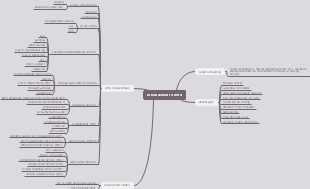
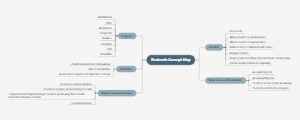
This clear mind map is titled "Development and Improvement of Rural Education", which mainly covers challenges in rural education, government initiatives, community involvement, and other aspects. Each content has been further explained on several levels. Through these explanations, we can understand that the development of rural education requires not only active promotion by the government but also widespread participation and support from the community.
Edited at 2024-10-13 06:02:53In the introduction section, elastin is a protein that plays a crucial role in the body, endowing tissues with elasticity and toughness. Its properties include high elasticity and good ductility. Elastin has a wide range of sources and is commonly found in animal connective tissues such as skin and blood vessels. When using elastin in products, the amount and method of addition should be determined based on the characteristics of the product. It has many uses and can be added to skincare products to enhance skin elasticity and reduce wrinkles; Improving food texture and enhancing taste in the food industry; In the medical field, it can be used to make elastic scaffolds such as artificial blood vessels, providing support for tissue repair. Reasonable use can play its unique value.
This document aims to guide the proper use of proteins. Proteins are the fundamental substances that make up life and are essential for maintaining normal physiological functions in the body, with a wide variety of types. When using protein, daily diet is an important source, such as meat, eggs, etc., which are rich in high-quality protein. Measuring protein intake can be done using professional tools or methods to ensure that the intake meets the body's needs. When mixing protein powder, it should be prepared according to the recommended ratio, and the water temperature should not be too high to avoid damaging the protein activity. Different groups of people have different protein requirements, such as athletes and fitness enthusiasts who can increase their intake appropriately to meet the needs of body repair and muscle growth.
Introduction to Unsaturated Polyester Resin: It is an important thermosetting resin with various excellent properties. It has a wide range of applications and is used in the construction industry to produce fiberglass products such as doors, windows, decorative panels, etc; Used in the automotive industry for manufacturing body components. The advantages of use include simple molding process, low cost, and chemical corrosion resistance. However, it also faces challenges and limitations, such as relatively poor heat resistance and susceptibility to aging. During use, corresponding protective measures should be taken according to specific application scenarios, such as adding heat-resistant agents, antioxidants, etc., to extend their service life and fully leverage their advantages.
In the introduction section, elastin is a protein that plays a crucial role in the body, endowing tissues with elasticity and toughness. Its properties include high elasticity and good ductility. Elastin has a wide range of sources and is commonly found in animal connective tissues such as skin and blood vessels. When using elastin in products, the amount and method of addition should be determined based on the characteristics of the product. It has many uses and can be added to skincare products to enhance skin elasticity and reduce wrinkles; Improving food texture and enhancing taste in the food industry; In the medical field, it can be used to make elastic scaffolds such as artificial blood vessels, providing support for tissue repair. Reasonable use can play its unique value.
This document aims to guide the proper use of proteins. Proteins are the fundamental substances that make up life and are essential for maintaining normal physiological functions in the body, with a wide variety of types. When using protein, daily diet is an important source, such as meat, eggs, etc., which are rich in high-quality protein. Measuring protein intake can be done using professional tools or methods to ensure that the intake meets the body's needs. When mixing protein powder, it should be prepared according to the recommended ratio, and the water temperature should not be too high to avoid damaging the protein activity. Different groups of people have different protein requirements, such as athletes and fitness enthusiasts who can increase their intake appropriately to meet the needs of body repair and muscle growth.
Introduction to Unsaturated Polyester Resin: It is an important thermosetting resin with various excellent properties. It has a wide range of applications and is used in the construction industry to produce fiberglass products such as doors, windows, decorative panels, etc; Used in the automotive industry for manufacturing body components. The advantages of use include simple molding process, low cost, and chemical corrosion resistance. However, it also faces challenges and limitations, such as relatively poor heat resistance and susceptibility to aging. During use, corresponding protective measures should be taken according to specific application scenarios, such as adding heat-resistant agents, antioxidants, etc., to extend their service life and fully leverage their advantages.
Development and Improvement of Rural Education
Challenges in Rural Education
Limited Resources
Insufficient Funding
Budget constraints for infrastructure
Lack of educational materials
Poor Quality of Facilities
Outdated classrooms
Lack of technology and internet access
Teacher Shortage
Low Attractiveness of Rural Areas
Difficulty in recruiting qualified teachers
High turnover rates
Inadequate Training Opportunities
Limited professional development programs
Lack of incentives for continuous learning
Cultural and Social Barriers
Traditional Values and Education
Preference for traditional skills over formal education
Resistance to change and modern educational methods
Gender Disparities
Lower enrollment rates for girls
Cultural norms limiting female education
Government Initiatives
Policy Formulation
National Education Plans
Setting goals for rural education development
Allocating funds specifically for rural schools
Incentive Programs
Subsidies for rural teachers
Scholarships for rural students
Infrastructure Development
Building New Schools
Improving access to education in remote areas
Constructing modern facilities with technology integration
Internet Connectivity
Providing highspeed internet to rural schools
Establishing digital learning platforms
Community Involvement
Parental Engagement
Education Workshops for Parents
Raising awareness about the importance of education
Training parents to support their children's learning
School Management Committees
Involving parents in school decisionmaking
Encouraging community oversight and support
Local Partnerships
Collaboration with NGOs
Leveraging expertise and resources from nongovernmental organizations
Implementing communitybased educational programs
PublicPrivate Partnerships
Attracting private investment in rural education
Developing joint initiatives for school improvement
Teacher Support and Development
Professional Training
Continuous Education Programs
Offering inservice training for rural teachers
Providing opportunities for career advancement
Teacher Exchange Programs
Facilitating exchange with urban teachers
Sharing best practices and teaching methods
Motivation and Retention
Competitive Salaries
Ensuring rural teachers are adequately compensated
Offering financial incentives for longterm commitment
Career Progression Pathways
Creating clear career paths for rural educators
Encouraging professional growth and leadership roles
Curriculum and Teaching Methods
Relevant and Practical Curriculum
Integrating Local Culture and Skills
Developing curriculum that reflects local needs and traditions
Including vocational training and life skills education
Emphasizing STEM Education
Encouraging interest in science, technology, engineering, and mathematics
Preparing students for future job markets
Innovative Teaching Techniques
Interactive and Engaging Learning
Using multimedia and interactive tools in the classroom
Encouraging student participation and critical thinking
Blended Learning Approaches
Combining traditional classroom teaching with online resources
Providing flexibility for students to learn at their own pace
Monitoring and Evaluation
Regular Assessments
Standardized Testing
Implementing tests to measure student learning outcomes
Using data to identify areas for improvement
School Performance Tracking
Monitoring school attendance, dropout rates, and academic achievements
Analyzing trends to inform policy and practice
Feedback Mechanisms
Student and Teacher Surveys
Collecting feedback on educational experiences and satisfaction
Using insights to make necessary adjustments
Community Feedback Sessions
Engaging with parents and community members to gather perspectives
Ensuring community buyin and support for educational initiatives
Technology Integration
ELearning Platforms
Online Courses and Resources
Providing access to a wide range of educational materials online
Encouraging selfpaced learning and exploration
Digital Literacy Programs
Teaching students and teachers how to use technology effectively
Preparing students for a digital future
Educational Software and Tools
Interactive Learning Software
Using software to enhance classroom learning
Making learning more engaging and interactive
Administrative Automation
Streamlining school management processes with technology
Reducing administrative burdens on teachers and staff
Longterm Sustainability
Financial Independence
Fundraising and Community Support
Encouraging local fundraising initiatives
Building sustainable funding models for rural schools
Government and Private Sector Partnerships
Securing longterm commitments from stakeholders
Developing funding strategies that ensure continuous support
Scalable and Replicable Models
Success Stories and Case Studies
Documenting and sharing successful rural education projects
Using evidencebased practices to inform new initiatives
Adapting Best Practices
Tailoring proven strategies to fit different rural contexts
Ensuring that solutions are scalable and can be implemented widely
International Collaboration
Global Education Initiatives
Participating in International Programs
Joining worldwide education projects and networks
Sharing knowledge and resources with other countries
Learning from Best Practices Abroad
Studying successful rural education models from around the world
Adapting and implementing international best practices locally
CrossBorder Partnerships
Educational Exchanges
Facilitating student and teacher exchanges with other countries
Promoting cultural understanding and global perspectives
Joint Research Projects
Collaborating on research to improve rural education
Subtopic