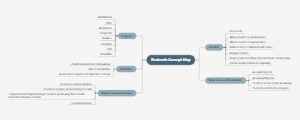
MindMap Gallery Methodology of Comparative Education
This content explores the importance of methodology in comparative education, starting with an introduction to its definition and scope. It then illustrates various theoretical frameworks, such as cultural relativism or structural functionalism, helping readers understand how these frameworks provide foundational theories and analytical tools for comparative education. Additionally, it highlights the significance of research methods, like case studies or statistical analysis, to facilitate deeper understanding and accurate results. The overall aim is to spark interest in the methodology of comparative education and encourage consideration of its potential impacts and challenges.
Edited at 2024-10-15 01:51:46In the introduction section, elastin is a protein that plays a crucial role in the body, endowing tissues with elasticity and toughness. Its properties include high elasticity and good ductility. Elastin has a wide range of sources and is commonly found in animal connective tissues such as skin and blood vessels. When using elastin in products, the amount and method of addition should be determined based on the characteristics of the product. It has many uses and can be added to skincare products to enhance skin elasticity and reduce wrinkles; Improving food texture and enhancing taste in the food industry; In the medical field, it can be used to make elastic scaffolds such as artificial blood vessels, providing support for tissue repair. Reasonable use can play its unique value.
This document aims to guide the proper use of proteins. Proteins are the fundamental substances that make up life and are essential for maintaining normal physiological functions in the body, with a wide variety of types. When using protein, daily diet is an important source, such as meat, eggs, etc., which are rich in high-quality protein. Measuring protein intake can be done using professional tools or methods to ensure that the intake meets the body's needs. When mixing protein powder, it should be prepared according to the recommended ratio, and the water temperature should not be too high to avoid damaging the protein activity. Different groups of people have different protein requirements, such as athletes and fitness enthusiasts who can increase their intake appropriately to meet the needs of body repair and muscle growth.
Introduction to Unsaturated Polyester Resin: It is an important thermosetting resin with various excellent properties. It has a wide range of applications and is used in the construction industry to produce fiberglass products such as doors, windows, decorative panels, etc; Used in the automotive industry for manufacturing body components. The advantages of use include simple molding process, low cost, and chemical corrosion resistance. However, it also faces challenges and limitations, such as relatively poor heat resistance and susceptibility to aging. During use, corresponding protective measures should be taken according to specific application scenarios, such as adding heat-resistant agents, antioxidants, etc., to extend their service life and fully leverage their advantages.
In the introduction section, elastin is a protein that plays a crucial role in the body, endowing tissues with elasticity and toughness. Its properties include high elasticity and good ductility. Elastin has a wide range of sources and is commonly found in animal connective tissues such as skin and blood vessels. When using elastin in products, the amount and method of addition should be determined based on the characteristics of the product. It has many uses and can be added to skincare products to enhance skin elasticity and reduce wrinkles; Improving food texture and enhancing taste in the food industry; In the medical field, it can be used to make elastic scaffolds such as artificial blood vessels, providing support for tissue repair. Reasonable use can play its unique value.
This document aims to guide the proper use of proteins. Proteins are the fundamental substances that make up life and are essential for maintaining normal physiological functions in the body, with a wide variety of types. When using protein, daily diet is an important source, such as meat, eggs, etc., which are rich in high-quality protein. Measuring protein intake can be done using professional tools or methods to ensure that the intake meets the body's needs. When mixing protein powder, it should be prepared according to the recommended ratio, and the water temperature should not be too high to avoid damaging the protein activity. Different groups of people have different protein requirements, such as athletes and fitness enthusiasts who can increase their intake appropriately to meet the needs of body repair and muscle growth.
Introduction to Unsaturated Polyester Resin: It is an important thermosetting resin with various excellent properties. It has a wide range of applications and is used in the construction industry to produce fiberglass products such as doors, windows, decorative panels, etc; Used in the automotive industry for manufacturing body components. The advantages of use include simple molding process, low cost, and chemical corrosion resistance. However, it also faces challenges and limitations, such as relatively poor heat resistance and susceptibility to aging. During use, corresponding protective measures should be taken according to specific application scenarios, such as adding heat-resistant agents, antioxidants, etc., to extend their service life and fully leverage their advantages.
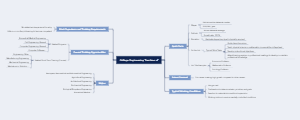
Methodology of Comparative Education
Definition and Scope
Comparative Education as a Discipline
Study of educational systems across nations
Analysis of similarities and differences
Exploration of factors influencing educational practices
Interdisciplinary approach
Incorporates sociology, psychology, economics, and history
Seeks to understand education in its social context
Purpose of Comparative Studies
To inform educational policy and practice
Provide insights for reform and innovation
Aid in understanding the impact of education on society
To promote international understanding and cooperation
Encourage exchange of ideas and resources
Foster global citizenship through education
Theoretical Frameworks
Functionalism
Emphasizes the role of education in maintaining social order
Education as a means of socialization
Transmission of cultural values and norms
Comparative analysis of educational functions
How different systems fulfill societal needs
Role of education in social stratification
Conflict Theory
Focuses on power dynamics and inequality
Education as a tool for social control
Reproduction of social inequalities
Examination of resistance and change
How education systems respond to social conflict
Mechanisms of reform and resistance
Symbolic Interactionism
Emphasizes the role of individual interactions
Microlevel analysis of educational experiences
Interpretation of meanings attached to educational practices
Comparative study of individual agency and social structure
How individuals navigate and shape educational systems
Influence of cultural symbols and language on education
Research Methods
Qualitative Approaches
Case studies
Indepth analysis of a particular educational system or phenomenon
Use of interviews, observations, and document analysis
Ethnography
Study of educational practices within a cultural context
Focus on the lived experiences of individuals
Quantitative Approaches
Statistical analysis
Comparison of educational data across countries
Use of largescale datasets and surveys
Experimental and quasiexperimental designs
Evaluation of educational interventions
Causal inference in comparative studies
Mixed Methods
Combination of qualitative and quantitative approaches
Triangulation of data for a more comprehensive understanding
Flexibility to address complex research questions
Case studies with statistical comparisons
Detailed analysis of individual cases alongside broader trends
Contextualization of quantitative data with qualitative insights
Key Concepts in Comparative Education
Educational Systems
Structure and organization of education
Levels of education (primary, secondary, tertiary)
Governance and administration of schools
Curriculum and Assessment
Content and methods of teaching
Standardized testing and evaluation criteria
Equity and Access
Inclusivity in education
Policies for marginalized groups
Availability of education across different regions and socioeconomic groups
Quality of Education
Standards of teaching and learning
Resources and facilities in schools
Globalization and Education
Impact of international trends on education
Influence of global markets and policies
Role of international organizations in shaping education
Transnational education initiatives
Crossborder educational programs and partnerships
Global citizenship education and international curricula
Challenges and Limitations
Cultural Sensitivity and Ethical Considerations
Avoiding ethnocentrism in analysis
Understanding the cultural context of educational practices
Respecting diverse perspectives and values
Ethical issues in data collection and representation
Ensuring informed consent and confidentiality
Avoiding misrepresentation and stereotyping
Data Availability and Comparability
Differences in educational data across countries
Variations in data collection methods and definitions
Challenges in comparing data from different educational systems
Limitations of quantitative measures
Potential oversimplification of complex educational phenomena
Reliance on standardized metrics that may not capture local realities
Theoretical and Methodological Limitations
Generalizability of findings
Difficulty in applying results from one context to another
Need for caution in making broad claims based on comparative studies
Complexity of educational change
Challenges in understanding the longterm impact of educational reforms
Interplay of multiple factors influencing educational outcomes
Future Directions
Technological Advancements in Education
Impact of digital technologies on teaching and learning
Online education and virtual classrooms
Use of technology for educational assessment and data collection
Global digital divide and access to technology
Ensuring equitable access to digital resources
Addressing the digital literacy gap