MindMap Gallery Kindergarten life skills
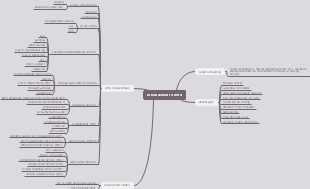
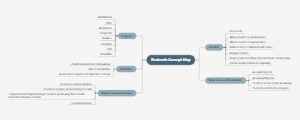
This is a mind map about life skills in kindergarten, which mainly explains personal hygiene, social skills, and emotional regulation. In the personal hygiene section, it briefly introduces basic hygiene habits such as handwashing and tooth brushing. Regarding social skills, it elaborates on improving children's social abilities through cooperative games and communication activities. Concerning emotional regulation, it lists methods for recognizing and managing emotions like deep breathing and sharing feelings, providing explanations for each. The entire mind map offers comprehensive guidance and reference for life skill education in kindergarten through a concise and clear approach.
Edited at 2024-10-15 02:19:35In the introduction section, elastin is a protein that plays a crucial role in the body, endowing tissues with elasticity and toughness. Its properties include high elasticity and good ductility. Elastin has a wide range of sources and is commonly found in animal connective tissues such as skin and blood vessels. When using elastin in products, the amount and method of addition should be determined based on the characteristics of the product. It has many uses and can be added to skincare products to enhance skin elasticity and reduce wrinkles; Improving food texture and enhancing taste in the food industry; In the medical field, it can be used to make elastic scaffolds such as artificial blood vessels, providing support for tissue repair. Reasonable use can play its unique value.
This document aims to guide the proper use of proteins. Proteins are the fundamental substances that make up life and are essential for maintaining normal physiological functions in the body, with a wide variety of types. When using protein, daily diet is an important source, such as meat, eggs, etc., which are rich in high-quality protein. Measuring protein intake can be done using professional tools or methods to ensure that the intake meets the body's needs. When mixing protein powder, it should be prepared according to the recommended ratio, and the water temperature should not be too high to avoid damaging the protein activity. Different groups of people have different protein requirements, such as athletes and fitness enthusiasts who can increase their intake appropriately to meet the needs of body repair and muscle growth.
Introduction to Unsaturated Polyester Resin: It is an important thermosetting resin with various excellent properties. It has a wide range of applications and is used in the construction industry to produce fiberglass products such as doors, windows, decorative panels, etc; Used in the automotive industry for manufacturing body components. The advantages of use include simple molding process, low cost, and chemical corrosion resistance. However, it also faces challenges and limitations, such as relatively poor heat resistance and susceptibility to aging. During use, corresponding protective measures should be taken according to specific application scenarios, such as adding heat-resistant agents, antioxidants, etc., to extend their service life and fully leverage their advantages.
In the introduction section, elastin is a protein that plays a crucial role in the body, endowing tissues with elasticity and toughness. Its properties include high elasticity and good ductility. Elastin has a wide range of sources and is commonly found in animal connective tissues such as skin and blood vessels. When using elastin in products, the amount and method of addition should be determined based on the characteristics of the product. It has many uses and can be added to skincare products to enhance skin elasticity and reduce wrinkles; Improving food texture and enhancing taste in the food industry; In the medical field, it can be used to make elastic scaffolds such as artificial blood vessels, providing support for tissue repair. Reasonable use can play its unique value.
This document aims to guide the proper use of proteins. Proteins are the fundamental substances that make up life and are essential for maintaining normal physiological functions in the body, with a wide variety of types. When using protein, daily diet is an important source, such as meat, eggs, etc., which are rich in high-quality protein. Measuring protein intake can be done using professional tools or methods to ensure that the intake meets the body's needs. When mixing protein powder, it should be prepared according to the recommended ratio, and the water temperature should not be too high to avoid damaging the protein activity. Different groups of people have different protein requirements, such as athletes and fitness enthusiasts who can increase their intake appropriately to meet the needs of body repair and muscle growth.
Introduction to Unsaturated Polyester Resin: It is an important thermosetting resin with various excellent properties. It has a wide range of applications and is used in the construction industry to produce fiberglass products such as doors, windows, decorative panels, etc; Used in the automotive industry for manufacturing body components. The advantages of use include simple molding process, low cost, and chemical corrosion resistance. However, it also faces challenges and limitations, such as relatively poor heat resistance and susceptibility to aging. During use, corresponding protective measures should be taken according to specific application scenarios, such as adding heat-resistant agents, antioxidants, etc., to extend their service life and fully leverage their advantages.
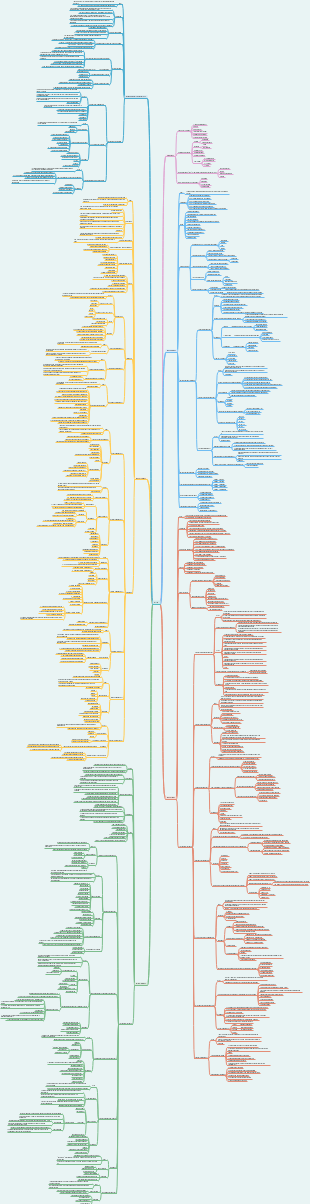
Kindergarten life skills
Personal hygiene
Handwashing
Washing hands before meals
Teach the importance of removing germs
Practice proper handwashing techniques
Washing hands after using the restroom
Emphasize the need to keep germs away
Demonstrate the correct handwashing steps
Brushing teeth
Importance of dental hygiene
Discuss the role of brushing in preventing cavities
Explain the consequences of poor dental care
Brushing techniques
Show the correct way to hold a toothbrush
Practice brushing in circles and up and down motions
Social skills
Sharing
Importance of sharing toys
Teach the value of generosity
Practice sharing through roleplaying activities
Taking turns
Explain the concept of轮流
Engage in games that require waiting and taking turns
Cooperation
Working in groups
Encourage participation in group activities
Discuss the benefits of teamwork
Following instructions
Practice listening and following simple commands
Use games to reinforce the concept of following rules
Emotional regulation
Identifying emotions
Teach children to recognize different feelings
Use picture cards to label emotions
Discuss situations that might cause certain emotions
Expressing emotions appropriately
Model ways to express feelings without hurting others
Encourage the use of words to describe how they feel
Coping strategies
Calming down techniques
Introduce deep breathing exercises
Practice counting to ten to manage frustration
Problemsolving
Discuss simple problems and their solutions
Roleplay scenarios to practice finding solutions
Basic academic skills
Literacy
Recognizing letters and sounds
Use flashcards to teach letter recognition
Play games that involve matching letters with sounds
Reading readiness
Read stories to the children daily
Encourage retelling stories in their own words
Numeracy
Counting
Practice counting objects and numbers
Use songs and rhymes to reinforce counting skills
Basic shapes and colors
Teach the names of shapes and colors
Engage in activities that involve sorting and matching shapes and colors
Physical development
Gross motor skills
Running, jumping, and climbing
Provide opportunities for outdoor play
Set up obstacle courses to practice large muscle movements
Balance and coordination
Practice balancing on beams or lines
Play games that require catching and throwing
Fine motor skills
Pencil grip and writing
Teach the proper way to hold a pencil
Practice drawing and writing simple shapes
Scissor skills
Demonstrate how to safely use scissors
Engage in cutting activities to strengthen hand muscles
Selfhelp skills
Dressing
Putting on and taking off clothes
Practice dressing with the help of songs or rhymes
Encourage children to dress themselves as much as possible
Fastening buttons and zippers
Teach the use of buttons and zippers
Provide opportunities to practice fastening and unfastening
Eating
Using utensils
Teach the proper use of spoons, forks, and knives
Practice eating meals with utensils during snack time
Healthy eating habits
Discuss the importance of fruits and vegetables
Encourage trying new foods and making healthy choices
Safety awareness
Recognizing danger
Teach basic safety rules
Discuss what is safe and what is dangerous
Practice identifying potentially hazardous situations
Emergency procedures
Learn about fire drills and what to do in case of fire
Roleplay scenarios involving strangers and what to do if approached
Personal space
Understanding boundaries
Teach the concept of personal space
Practice respecting others' personal space during play
Assertiveness
Encourage children to say "no" when they feel uncomfortable
Discuss ways to ask for help when needed
Environmental awareness
Recycling
Sorting recyclables
Teach the difference between recyclable and nonrecyclable materials
Set up a recycling station in the classroom
Conserving resources
Discuss the importance of saving water and electricity
Practice turning off lights and taps when not in use
Nature appreciation
Outdoor exploration
Take regular trips to the park or nature reserve
Encourage children to observe and discuss the natural world
Plant care
Teach how to care for plants
Engage in planting and watering activities
Cultural diversity
Celebrating holidays
Learning about different cultural traditions
Introduce various cultural holidays and their significance
Share stories, music, and food from different cultures
Inclusivity
Promote acceptance and respect for all cultures
Discuss the importance of diversity in the classroom
Language exposure
Learning new languages
Introduce basic phrases in different languages
Use songs and games to make language learning fun
Storytelling
Share stories from different cultures
Encourage children to tell stories from their own experiences