MindMap Gallery Exploration of Blended Learning Mode
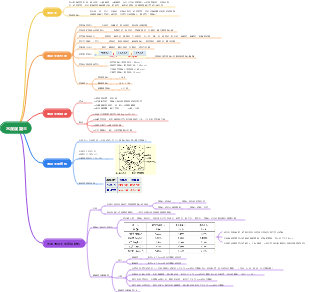
This mind map explores the definition of blended learning, its benefits, and the challenges of implementing blended learning. Each theme is thoroughly explained at various levels, offering educators a comprehensive understanding and strategies for implementing blended learning.
Edited at 2024-10-17 01:21:19In the introduction section, elastin is a protein that plays a crucial role in the body, endowing tissues with elasticity and toughness. Its properties include high elasticity and good ductility. Elastin has a wide range of sources and is commonly found in animal connective tissues such as skin and blood vessels. When using elastin in products, the amount and method of addition should be determined based on the characteristics of the product. It has many uses and can be added to skincare products to enhance skin elasticity and reduce wrinkles; Improving food texture and enhancing taste in the food industry; In the medical field, it can be used to make elastic scaffolds such as artificial blood vessels, providing support for tissue repair. Reasonable use can play its unique value.
This document aims to guide the proper use of proteins. Proteins are the fundamental substances that make up life and are essential for maintaining normal physiological functions in the body, with a wide variety of types. When using protein, daily diet is an important source, such as meat, eggs, etc., which are rich in high-quality protein. Measuring protein intake can be done using professional tools or methods to ensure that the intake meets the body's needs. When mixing protein powder, it should be prepared according to the recommended ratio, and the water temperature should not be too high to avoid damaging the protein activity. Different groups of people have different protein requirements, such as athletes and fitness enthusiasts who can increase their intake appropriately to meet the needs of body repair and muscle growth.
Introduction to Unsaturated Polyester Resin: It is an important thermosetting resin with various excellent properties. It has a wide range of applications and is used in the construction industry to produce fiberglass products such as doors, windows, decorative panels, etc; Used in the automotive industry for manufacturing body components. The advantages of use include simple molding process, low cost, and chemical corrosion resistance. However, it also faces challenges and limitations, such as relatively poor heat resistance and susceptibility to aging. During use, corresponding protective measures should be taken according to specific application scenarios, such as adding heat-resistant agents, antioxidants, etc., to extend their service life and fully leverage their advantages.
In the introduction section, elastin is a protein that plays a crucial role in the body, endowing tissues with elasticity and toughness. Its properties include high elasticity and good ductility. Elastin has a wide range of sources and is commonly found in animal connective tissues such as skin and blood vessels. When using elastin in products, the amount and method of addition should be determined based on the characteristics of the product. It has many uses and can be added to skincare products to enhance skin elasticity and reduce wrinkles; Improving food texture and enhancing taste in the food industry; In the medical field, it can be used to make elastic scaffolds such as artificial blood vessels, providing support for tissue repair. Reasonable use can play its unique value.
This document aims to guide the proper use of proteins. Proteins are the fundamental substances that make up life and are essential for maintaining normal physiological functions in the body, with a wide variety of types. When using protein, daily diet is an important source, such as meat, eggs, etc., which are rich in high-quality protein. Measuring protein intake can be done using professional tools or methods to ensure that the intake meets the body's needs. When mixing protein powder, it should be prepared according to the recommended ratio, and the water temperature should not be too high to avoid damaging the protein activity. Different groups of people have different protein requirements, such as athletes and fitness enthusiasts who can increase their intake appropriately to meet the needs of body repair and muscle growth.
Introduction to Unsaturated Polyester Resin: It is an important thermosetting resin with various excellent properties. It has a wide range of applications and is used in the construction industry to produce fiberglass products such as doors, windows, decorative panels, etc; Used in the automotive industry for manufacturing body components. The advantages of use include simple molding process, low cost, and chemical corrosion resistance. However, it also faces challenges and limitations, such as relatively poor heat resistance and susceptibility to aging. During use, corresponding protective measures should be taken according to specific application scenarios, such as adding heat-resistant agents, antioxidants, etc., to extend their service life and fully leverage their advantages.
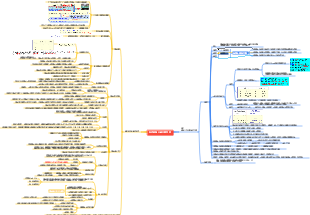
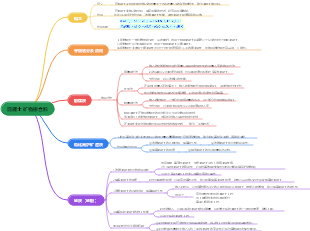
Exploration of Blended Learning Mode
Definition of Blended Learning
Combines online digital media with traditional classroom methods
Online learning can include video lectures, interactive modules, and online assessments
Classroom methods involve facetoface interaction with teachers and peers
Allows for flexibility in learning environments
Students can learn at their own pace online
Classroom sessions can focus on discussions, practical work, and collaborative projects
Aims to optimize the learning experience
Personalized learning paths for students
Efficient use of teacher time and resources
Benefits of Blended Learning
Increased student engagement
Variety of learning styles catered to
Visual learners benefit from online videos and presentations
Auditory learners benefit from classroom discussions and lectures
Interactive online tools can make learning more engaging
Improved access to educational resources
Online materials can be accessed anytime, anywhere
Students can review material outside of class hours
Students who miss class can catch up on missed content
Teachers can share resources with students more easily
Enhanced collaboration and communication
Online platforms facilitate group work and peertopeer interaction
Students can collaborate on projects across different locations
Discussion forums allow for ongoing conversations outside of class
Teachers can provide feedback and support in realtime
Challenges of Implementing Blended Learning
Technological barriers
Not all students have access to reliable internet or devices
Schools may need to provide technology or internet access
Online content must be optimized for various devices and connection speeds
Teachers require training to effectively use technology
Professional development opportunities needed
Time investment to learn new platforms and tools
Pedagogical challenges
Balancing online and inperson content
Ensuring that online work complements classroom activities
Avoiding redundancy in teaching methods
Adapting assessments for online environments
Creating online quizzes and exams that accurately measure student understanding
Ensuring academic integrity in online assessments
Managing student expectations and engagement
Keeping students motivated in an online environment
Regular communication and updates from teachers
Encouraging selfdiscipline and time management skills
Addressing the digital divide among students
Providing support for students who struggle with technology
Tailoring the learning experience to different levels of digital literacy
Components of a Blended Learning Model
Flipped Classroom
Students learn new content at home through online materials
Videos, articles, and interactive modules assigned as homework
Classroom time used for application and discussion
Teachers act as facilitators during class sessions
Guiding students through problemsolving activities
Providing individualized support where needed
Rotation Model
Students rotate through different stations or activities
Some stations are online learning modules
Others involve direct instruction or group work with peers
Allows for differentiation based on student needs
Online activities can be tailored to individual learning paces
Classroom activities can focus on collaborative learning and peer support
Flex Model
Students spend most of their time on online learning
Teachers provide support and instruction online
Students have flexible schedules to complete work
Classroom time is used for facetoface support and enrichment
Oneonone tutoring sessions with teachers
Enrichment activities for students who have mastered the material
A La Carte Model
Students take individual online courses in addition to traditional classes
Online courses can be from different providers
Traditional classes provide social and collaborative learning experiences
Allows for customization of the learning path
Students can choose courses that interest them or are relevant to their career goals
Teachers can focus on integrating online courses into the broader curriculum
Enriched Virtual Model
Combination of online learning with limited facetoface interaction
Online learning is the primary mode of instruction
Facetoface meetings are scheduled for specific activities or assessments
Emphasizes the importance of inperson interaction
Teachers can provide direct instruction during meetings
Students can engage in handson activities that are not possible online
Strategies for Effective Blended Learning
Designing the learning environment
Creating a clear structure for both online and inperson components
Scheduling regular online learning sessions
Planning classroom activities that complement online content
Using a variety of instructional methods
Combining lectures, discussions, and handson activities
Incorporating multimedia and interactive elements into online modules
Fostering studentteacher relationships
Building rapport through both online and inperson interactions
Regular checkins and feedback sessions online
Encouraging open communication in the classroom
Supporting student autonomy and selfregulation
Teaching students time management and study skills
Encouraging students to take ownership of their learning
Assessing and evaluating learning outcomes
Using a mix of formative and summative assessments
Online quizzes and assignments for formative feedback
Traditional exams and projects for summative evaluation
Gathering feedback from students and teachers
Surveys and interviews to understand the effectiveness of the blended model
Adjusting the approach based on feedback and outcomes
Future Trends in Blended Learning
Advancements in technology
Increased use of artificial intelligence and machine learning
Personalized learning experiences based on student performance
Automated grading and feedback systems
Virtual and augmented reality for immersive learning experiences
Virtual field trips and simulations
Interactive 3D models for complex concepts