MindMap Gallery Reading comprehension skills in learning tutoring
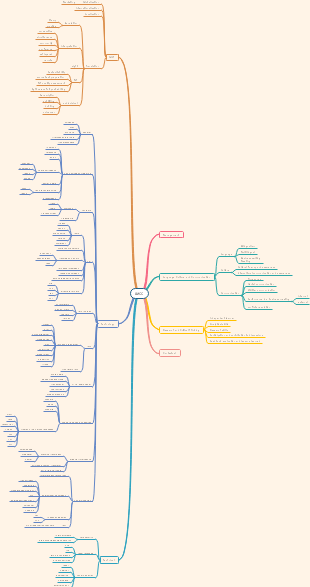
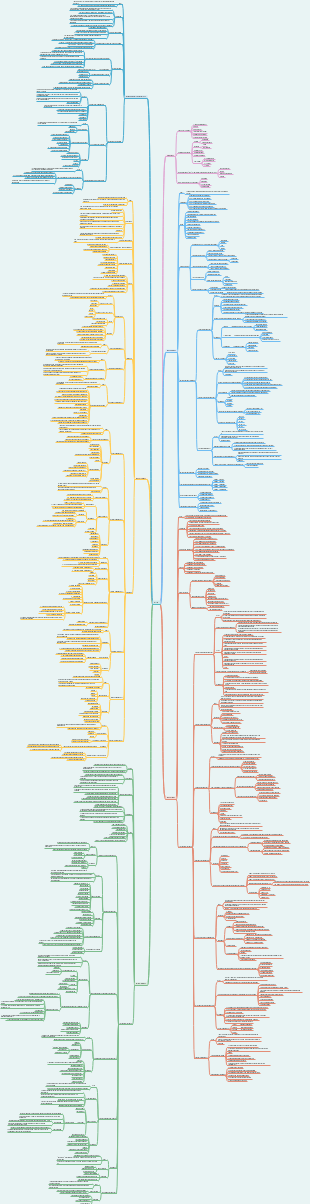
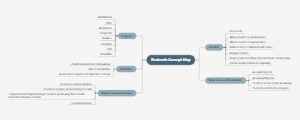
This is a mind map about reading comprehension skills in learning tutoring. Firstly, it emphasizes the importance of reading comprehension. Reading comprehension is the ability to understand and interpret text content, which is crucial for learning and mastering knowledge. Secondly, the diagram mentions the importance of identifying reading comprehension challenges. By recognizing difficulties and challenges students face in reading comprehension, teachers can provide targeted assistance and guidance. Lastly, the diagram introduces some strategies for improving reading comprehension. These strategies include predicting content, asking questions, summarizing main ideas, and other methods that can help enhance students' reading comprehension skills.
Edited at 2024-10-25 05:51:38In the introduction section, elastin is a protein that plays a crucial role in the body, endowing tissues with elasticity and toughness. Its properties include high elasticity and good ductility. Elastin has a wide range of sources and is commonly found in animal connective tissues such as skin and blood vessels. When using elastin in products, the amount and method of addition should be determined based on the characteristics of the product. It has many uses and can be added to skincare products to enhance skin elasticity and reduce wrinkles; Improving food texture and enhancing taste in the food industry; In the medical field, it can be used to make elastic scaffolds such as artificial blood vessels, providing support for tissue repair. Reasonable use can play its unique value.

This document aims to guide the proper use of proteins. Proteins are the fundamental substances that make up life and are essential for maintaining normal physiological functions in the body, with a wide variety of types. When using protein, daily diet is an important source, such as meat, eggs, etc., which are rich in high-quality protein. Measuring protein intake can be done using professional tools or methods to ensure that the intake meets the body's needs. When mixing protein powder, it should be prepared according to the recommended ratio, and the water temperature should not be too high to avoid damaging the protein activity. Different groups of people have different protein requirements, such as athletes and fitness enthusiasts who can increase their intake appropriately to meet the needs of body repair and muscle growth.
Introduction to Unsaturated Polyester Resin: It is an important thermosetting resin with various excellent properties. It has a wide range of applications and is used in the construction industry to produce fiberglass products such as doors, windows, decorative panels, etc; Used in the automotive industry for manufacturing body components. The advantages of use include simple molding process, low cost, and chemical corrosion resistance. However, it also faces challenges and limitations, such as relatively poor heat resistance and susceptibility to aging. During use, corresponding protective measures should be taken according to specific application scenarios, such as adding heat-resistant agents, antioxidants, etc., to extend their service life and fully leverage their advantages.
In the introduction section, elastin is a protein that plays a crucial role in the body, endowing tissues with elasticity and toughness. Its properties include high elasticity and good ductility. Elastin has a wide range of sources and is commonly found in animal connective tissues such as skin and blood vessels. When using elastin in products, the amount and method of addition should be determined based on the characteristics of the product. It has many uses and can be added to skincare products to enhance skin elasticity and reduce wrinkles; Improving food texture and enhancing taste in the food industry; In the medical field, it can be used to make elastic scaffolds such as artificial blood vessels, providing support for tissue repair. Reasonable use can play its unique value.
This document aims to guide the proper use of proteins. Proteins are the fundamental substances that make up life and are essential for maintaining normal physiological functions in the body, with a wide variety of types. When using protein, daily diet is an important source, such as meat, eggs, etc., which are rich in high-quality protein. Measuring protein intake can be done using professional tools or methods to ensure that the intake meets the body's needs. When mixing protein powder, it should be prepared according to the recommended ratio, and the water temperature should not be too high to avoid damaging the protein activity. Different groups of people have different protein requirements, such as athletes and fitness enthusiasts who can increase their intake appropriately to meet the needs of body repair and muscle growth.
Introduction to Unsaturated Polyester Resin: It is an important thermosetting resin with various excellent properties. It has a wide range of applications and is used in the construction industry to produce fiberglass products such as doors, windows, decorative panels, etc; Used in the automotive industry for manufacturing body components. The advantages of use include simple molding process, low cost, and chemical corrosion resistance. However, it also faces challenges and limitations, such as relatively poor heat resistance and susceptibility to aging. During use, corresponding protective measures should be taken according to specific application scenarios, such as adding heat-resistant agents, antioxidants, etc., to extend their service life and fully leverage their advantages.
Reading comprehension skills in learning tutoring
Understanding the importance of reading comprehension
Enhances overall academic performance
Increases ability to understand and retain information
Allows for better performance in exams and assignments
Improves critical thinking and analytical skills
Develops vocabulary and language proficiency
Facilitates communication in both academic and social contexts
Encourages lifelong learning and curiosity
Fosters personal development
Builds empathy and understanding of different perspectives
Encourages openmindedness and cultural awareness
Enhances emotional intelligence and social skills
Supports independent learning and selfmotivation
Promotes the habit of reading for pleasure and information
Increases confidence in tackling complex texts
Identifying reading comprehension challenges
Difficulties in vocabulary acquisition
Struggling with unfamiliar words and phrases
Need for extensive vocabulary building exercises
Use of context clues to infer word meanings
Problems with understanding idiomatic expressions
Exposure to common idioms and their meanings
Practice in using idioms in context
Issues with inferencing and predicting
Difficulty in making logical deductions from text
Training in identifying main ideas and supporting details
Exercises in drawing conclusions based on evidence
Inability to predict outcomes or themes
Techniques for making educated guesses about content
Strategies for recognizing patterns and themes in stories
Challenges with summarizing and paraphrasing
Trouble identifying key points in a passage
Methods for highlighting or notetaking while reading
Practice in condensing information into shorter forms
Weakness in rephrasing information in one's own words
Activities to practice paraphrasing without changing meaning
Guidance on maintaining the original intent and tone
Strategies for improving reading comprehension
Active reading techniques
Skimming and scanning for main ideas
Techniques for quickly identifying the purpose of a text
Practice in locating specific information efficiently
Annotating and highlighting important points
Use of symbols and colorcoding for different types of information
Discussion on how annotations can aid in recall and understanding
Building background knowledge
Encouraging reading on a variety of topics
Expanding interests and knowledge base
Relating new information to existing knowledge
Incorporating multimedia resources
Using videos, podcasts, and infographics to complement text
Discussion on how multimedia can enhance understanding
Engaging in critical thinking exercises
Questioning the author's intent and bias
Analyzing the reliability and perspective of the source
Practice in identifying and challenging assumptions
Comparing and contrasting different texts
Activities to identify similarities and differences in content and style
Discussion on how comparison can deepen understanding
Tutoring methods for enhancing comprehension
Oneonone tutoring sessions
Tailoring instruction to individual learning styles and needs
Identifying and addressing specific comprehension weaknesses
Adjusting pace and content to match student's progress
Providing immediate feedback and clarification
Correcting misunderstandings in realtime
Reinforcing correct comprehension strategies
Group tutoring sessions
Encouraging peer learning and discussion
Facilitating group activities that promote critical thinking
Using collaborative tasks to enhance understanding
Sharing diverse perspectives and interpretations
Allowing students to present their views and learn from others
Guiding students to respect and integrate different viewpoints
Utilizing technology and online resources
Incorporating educational software and apps
Using interactive tools to practice reading skills
Engaging with online quizzes and games that reinforce comprehension
Accessing digital libraries and databases
Encouraging exploration of a wide range of reading materials
Teaching students how to effectively search for and evaluate online sources
Assessing and monitoring progress
Regular comprehension assessments
Administering quizzes and tests to gauge understanding
Identifying areas of improvement and celebrating successes
Adjusting teaching methods based on assessment results
Keeping detailed records of student progress
Tracking improvements over time
Identifying patterns in comprehension strengths and weaknesses
Goal setting and selfassessment
Helping students set realistic and achievable goals
Encouraging selfmotivation and accountability
Adjusting goals as students progress
Teaching students to selfevaluate their comprehension
Developing selfassessment skills to identify areas for improvement
Encouraging reflection on reading strategies and habits
Encouraging a love for reading
Recommending engaging and ageappropriate texts
Suggesting books that align with students' interests and reading levels
Introducing a variety of genres and authors
Discussing the joy of discovering new stories and information
Using literature to explore personal interests
Connecting reading material to students' hobbies and passions
Encouraging students to seek out texts that resonate with them
Creating a supportive reading environment
Providing a comfortable and distractionfree space for reading
Ensuring access to a variety of reading materials
Promoting a positive attitude towards reading as a pleasurable activity
Celebrating reading milestones and achievements
Recognizing and rewarding progress and effort
Encouraging students to share their reading experiences with peers
Integrating reading into daily life
Encouraging reading as a daily habit
Setting aside dedicated time for reading each day
Discussing the importance of reading in everyday life
Using reading as a tool for personal growth
Reading to learn new skills and information
Reading for relaxation and entertainment
Addressing diverse learning needs
Adapting instruction for students with learning disabilities
Using specialized reading comprehension strategies for dyslexia, ADHD, etc.
Employing multisensory teaching methods
Providing accommodations such as audiobooks and texttospeech software
Collaborating with special education professionals
Working closely with special education teachers and therapists
Ensuring a consistent approach across different learning environments
Catering to multilingual learners
Supporting language acquisition and comprehension
Using bilingual resources and dictionaries
Encouraging the use of the first language to aid comprehension
Celebrating linguistic diversity
Recognizing the value of multiple languages in the classroom
Encouraging students to share their linguistic backgrounds
Meeting the needs of advanced readers
Providing challenging and complex texts
Introducing advanced vocabulary and concepts
Encouraging critical analysis and synthesis of information
Encouraging independent research and inquiry
Guiding students in conducting their own research projects
Subtopic