MindMap Gallery Art Appreciation and Creative Techniques in Learning Tutoring
Art appreciation and creative techniques in learning tutoring encompass understanding art appreciation, addressing challenges and solutions in teaching, and providing assessment and feedback on art appreciation. Comprehending art appreciation forms the foundation for cultivating students' aesthetic abilities, involving a deep understanding of the form, content, and significance of artistic works. Addressing challenges and solutions pertains to tackling difficulties and issues students may encounter during the appreciation process, offering appropriate methodologies and strategies. Assessment and feedback on art appreciation evaluate and guide students' capabilities, aiding in the continuous enhancement of their artistic literacy and aesthetic sensibility. Mastery of these techniques enables students to appreciate artworks more profoundly, nurturing their aesthetic tastes and creativity.
Edited at 2024-10-25 05:52:22In the introduction section, elastin is a protein that plays a crucial role in the body, endowing tissues with elasticity and toughness. Its properties include high elasticity and good ductility. Elastin has a wide range of sources and is commonly found in animal connective tissues such as skin and blood vessels. When using elastin in products, the amount and method of addition should be determined based on the characteristics of the product. It has many uses and can be added to skincare products to enhance skin elasticity and reduce wrinkles; Improving food texture and enhancing taste in the food industry; In the medical field, it can be used to make elastic scaffolds such as artificial blood vessels, providing support for tissue repair. Reasonable use can play its unique value.
This document aims to guide the proper use of proteins. Proteins are the fundamental substances that make up life and are essential for maintaining normal physiological functions in the body, with a wide variety of types. When using protein, daily diet is an important source, such as meat, eggs, etc., which are rich in high-quality protein. Measuring protein intake can be done using professional tools or methods to ensure that the intake meets the body's needs. When mixing protein powder, it should be prepared according to the recommended ratio, and the water temperature should not be too high to avoid damaging the protein activity. Different groups of people have different protein requirements, such as athletes and fitness enthusiasts who can increase their intake appropriately to meet the needs of body repair and muscle growth.
Introduction to Unsaturated Polyester Resin: It is an important thermosetting resin with various excellent properties. It has a wide range of applications and is used in the construction industry to produce fiberglass products such as doors, windows, decorative panels, etc; Used in the automotive industry for manufacturing body components. The advantages of use include simple molding process, low cost, and chemical corrosion resistance. However, it also faces challenges and limitations, such as relatively poor heat resistance and susceptibility to aging. During use, corresponding protective measures should be taken according to specific application scenarios, such as adding heat-resistant agents, antioxidants, etc., to extend their service life and fully leverage their advantages.
In the introduction section, elastin is a protein that plays a crucial role in the body, endowing tissues with elasticity and toughness. Its properties include high elasticity and good ductility. Elastin has a wide range of sources and is commonly found in animal connective tissues such as skin and blood vessels. When using elastin in products, the amount and method of addition should be determined based on the characteristics of the product. It has many uses and can be added to skincare products to enhance skin elasticity and reduce wrinkles; Improving food texture and enhancing taste in the food industry; In the medical field, it can be used to make elastic scaffolds such as artificial blood vessels, providing support for tissue repair. Reasonable use can play its unique value.
This document aims to guide the proper use of proteins. Proteins are the fundamental substances that make up life and are essential for maintaining normal physiological functions in the body, with a wide variety of types. When using protein, daily diet is an important source, such as meat, eggs, etc., which are rich in high-quality protein. Measuring protein intake can be done using professional tools or methods to ensure that the intake meets the body's needs. When mixing protein powder, it should be prepared according to the recommended ratio, and the water temperature should not be too high to avoid damaging the protein activity. Different groups of people have different protein requirements, such as athletes and fitness enthusiasts who can increase their intake appropriately to meet the needs of body repair and muscle growth.
Introduction to Unsaturated Polyester Resin: It is an important thermosetting resin with various excellent properties. It has a wide range of applications and is used in the construction industry to produce fiberglass products such as doors, windows, decorative panels, etc; Used in the automotive industry for manufacturing body components. The advantages of use include simple molding process, low cost, and chemical corrosion resistance. However, it also faces challenges and limitations, such as relatively poor heat resistance and susceptibility to aging. During use, corresponding protective measures should be taken according to specific application scenarios, such as adding heat-resistant agents, antioxidants, etc., to extend their service life and fully leverage their advantages.
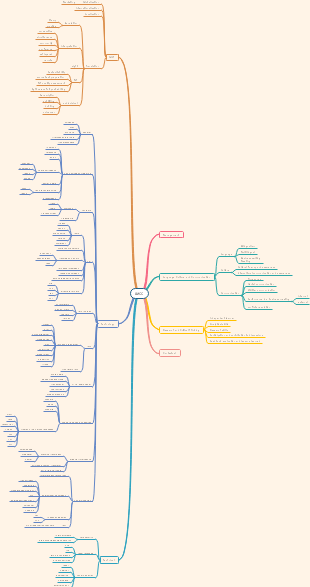
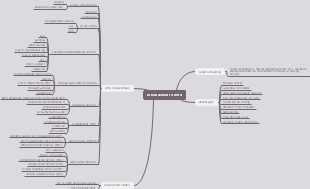
Art Appreciation and Creative Techniques in Learning Tutoring
Understanding Art Appreciation
Definition of Art Appreciation
The process of recognizing, interpreting, and enjoying art
Involves critical thinking and emotional response to artworks
Benefits of Art Appreciation
Enhances cognitive skills and emotional intelligence
Promotes cultural awareness and historical understanding
Encourages creativity and openmindedness
Elements of Art Appreciation
Form, including shape, line, space, and texture
Content, which refers to the subject matter or meaning
Context, encompassing the historical and cultural background
Technique, the method used to create the artwork
Creative Techniques in Tutoring
Incorporating Visual Arts
Using visual aids to explain complex concepts
Encouraging students to create visual representations of ideas
Employing Music and Movement
Using music to enhance memory and learning
Incorporating movement and dance to teach rhythm and coordination
Leveraging Drama and RolePlay
Acting out scenes to understand literature and history
Roleplaying exercises to develop communication skills
Utilizing Creative Writing
Journaling to reflect on learning experiences
Storytelling to explore different perspectives and cultures
Integrating Art Appreciation into Tutoring Sessions
Selecting Relevant Artworks
Choosing art that complements the tutoring subject matter
Selecting diverse artworks to represent different cultures and time periods
Facilitating Discussions on Art
Asking openended questions to stimulate critical thinking
Encouraging students to express their emotional responses to art
Connecting Art to Academic Content
Finding parallels between artistic themes and academic subjects
Using art to illustrate abstract concepts in science, math, and literature
Developing Critical Thinking Skills
Analyzing Artworks
Teaching students to look for symbolism and metaphor in art
Encouraging students to question the artist's intent and choices
Evaluating Art Critically
Discussing the role of criticism in understanding art
Guiding students to form their own opinions based on evidence
Synthesizing Information from Multiple Sources
Comparing different artworks on similar themes
Integrating art appreciation with other forms of media and literature
Encouraging Creative Expression
Providing Opportunities for Artistic Creation
Setting aside time for students to create their own artworks
Supplying materials and guidance for various art forms
Fostering Individual Style and Experimentation
Encouraging students to experiment with different mediums and techniques
Supporting students in developing their unique artistic voice
Reflecting on the Creative Process
Having students document their creative journey
Discussing the challenges and successes encountered during creation
Assessment and Feedback in Art Appreciation
Evaluating Understanding of Art Concepts
Creating rubrics to assess comprehension of art elements and principles
Providing feedback on students' ability to articulate their thoughts about art
Gauging Engagement with Creative Activities
Observing participation in artrelated activities
Assessing the quality and effort put into creative projects
Encouraging SelfAssessment and Peer Review
Teaching students to selfevaluate their work and set goals for improvement
Facilitating peer review sessions to foster constructive criticism
Resources for Art Appreciation and Creative Techniques
Accessing Art Collections and Museums
Planning field trips to local museums and galleries
Utilizing online collections and virtual tours for remote learning
Utilizing Technology and Multimedia
Incorporating digital art tools and apps into tutoring sessions
Watching documentaries and films that explore the lives of artists
Collaborating with Artists and Educators
Inviting guest speakers to share their expertise and experiences
Participating in workshops and classes led by professional artists
Challenges and Solutions in Teaching Art Appreciation
Addressing Diverse Learning Styles
Adapting art appreciation activities to suit different learning preferences
Providing alternative ways to engage with art for kinesthetic and auditory learners
Overcoming Limited Resources
Finding free or lowcost art resources online
Creating art projects with readily available materials
Building Confidence in Creative Expression
Encouraging risktaking and embracing mistakes as part of the creative process
Celebrating individual progress and unique contributions to the learning community
Future Directions in Art Appreciation and Creative Techniques
Incorporating STEAM Education
Blending art with science, technology, engineering, and math to foster innovation
Encouraging interdisciplinary projects that integrate multiple forms of creative expression
Promoting Global Awareness Through Art
Exploring global issues and cultural diversity through art
Participating in international art exchanges and collaborative projects
Sustaining Interest in Art Education
Keeping up with current trends in art and technology