MindMap Gallery condensation reaction
This is a mind map about condensation reaction. Condensation reaction refers to the interaction between two or more organic molecules and their covalent bonding to form a large molecule, often accompanied by the loss of small molecules (such as water, hydrogen chloride, alcohol). etc.) process. This reaction is of great significance in organic synthesis and can generate a variety of complex organic compounds.
Edited at 2024-10-23 20:35:10魯米:靈性覺醒的10個維度。當你停止尋找自己,便會找到整個宇宙,因為你正在尋找的東西,也在尋找你。任何你每天持之以恆在做的事情,都可以為你打開一扇通向精神深處的門。靜默中,我滑入祕境,萬般皆妙樂觀察身邊的神奇,不要聲張。你生而有翼,為何喜歡爬行?靈魂擁有了它自己的耳朵,能夠聽到頭腦無法理解的事情。向內尋求一切的答案吧,宇宙中的一切都在你體內。情人們並不最終相遇某處,這個世界沒有離別。傷口是光進入你內心的地方。
慢性心力衰竭,不僅僅是心率的快慢問題!它源於心肌收縮與舒張功能的下降,導致心輸出量不足,進而引發肺循環充血和體循環淤血。從病因、誘因到代償機制,心衰的病理生理過程複雜多樣。通過控制水腫、減輕心臟前後負荷、改善心臟舒縮功能,以及防治基本病因,我們可以有效應對這一挑戰。了解心衰的機制與臨床表現,掌握防治策略,才能更好地守護心臟健康。
缺血再灌注損傷是器官或組織恢復血液供應後,細胞功能代謝障礙和結構破壞反而加重的現象。其主要機制包括自由基生成增多、鈣超載以及微血管和白細胞的作用。心臟和腦是常見的受損器官,表現為心肌代謝和超微結構變化、心功能下降等。防治措施包括清除自由基、減輕鈣超載、改善代謝和控制再灌注條件,如低鈉、低溫、低壓等。理解這些機制有助於製定有效治療方案,減輕缺血性損傷。
魯米:靈性覺醒的10個維度。當你停止尋找自己,便會找到整個宇宙,因為你正在尋找的東西,也在尋找你。任何你每天持之以恆在做的事情,都可以為你打開一扇通向精神深處的門。靜默中,我滑入祕境,萬般皆妙樂觀察身邊的神奇,不要聲張。你生而有翼,為何喜歡爬行?靈魂擁有了它自己的耳朵,能夠聽到頭腦無法理解的事情。向內尋求一切的答案吧,宇宙中的一切都在你體內。情人們並不最終相遇某處,這個世界沒有離別。傷口是光進入你內心的地方。
慢性心力衰竭,不僅僅是心率的快慢問題!它源於心肌收縮與舒張功能的下降,導致心輸出量不足,進而引發肺循環充血和體循環淤血。從病因、誘因到代償機制,心衰的病理生理過程複雜多樣。通過控制水腫、減輕心臟前後負荷、改善心臟舒縮功能,以及防治基本病因,我們可以有效應對這一挑戰。了解心衰的機制與臨床表現,掌握防治策略,才能更好地守護心臟健康。
缺血再灌注損傷是器官或組織恢復血液供應後,細胞功能代謝障礙和結構破壞反而加重的現象。其主要機制包括自由基生成增多、鈣超載以及微血管和白細胞的作用。心臟和腦是常見的受損器官,表現為心肌代謝和超微結構變化、心功能下降等。防治措施包括清除自由基、減輕鈣超載、改善代謝和控制再灌注條件,如低鈉、低溫、低壓等。理解這些機制有助於製定有效治療方案,減輕缺血性損傷。
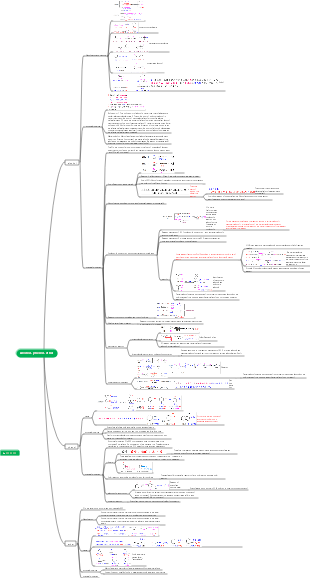
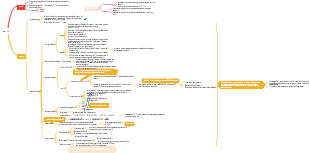
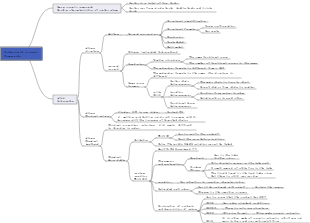
condensation reaction
Aldehyde-ketone condensation
Aldol condensation
Reaction conditions: acid or base
Product: β-hydroxyaldehyde (ketone) → α, β-unsaturated aldehyde (ketone)
Nucleophilic center: carbanion formed by removing active α-hydrogen Electrophilic center: carbonyl carbon
Fatty aldehydes (ketones self-condensate)
Reaction conditions: base
Purpose: Double the carbon chain. The product is the same as the aldol condensation
Nucleophilic center: carbanion formed by removing active α-hydrogen Electrophilic center: carbonyl carbon
Aromatic aldehyde condensates itself
Reaction conditions: sodium cyanide (potassium)
Product: α-Hydroxyketone
Nucleophilic center: the carbanion formed by combining the cyano group with the carbonyl carbon of the aromatic aldehyde Electrophilic center: carbonyl carbon
Claisen-Schmidt reaction (condensation of aromatic aldehydes with aldehydes and ketones containing active α-hydrogens)
Reaction conditions: sodium hydroxide solution in water or ethanol
Purpose: Aromatic aldehydes react with aldehydes and ketones with only one active α-hydrogen to obtain a single product
Nucleophilic center: carbanion formed by removing active α-hydrogen Electrophilic center: aromatic aldehyde carbonyl carbon
Formaldehyde condenses with aldehydes and ketones containing active α-hydrogens
Reaction conditions: base
Product: Introduction of hydroxymethyl group on the α-carbon of aldehydes and ketones
A carbanion formed by removing α-hydrogen from the nucleophilic center Electrophilic center: formaldehyde carbonyl carbon
Mannich reaction (aminomethylation reaction)
Reaction conditions: acid or base
Product: Introduction of aminomethyl groups on atoms with active hydrogen atoms
Nucleophilic center: carbanion formed by removing active hydrogen Electrophilic center: the carbocation formed by formaldehyde attacking amine compounds
Condensation of aldehydes and ketones with carboxylic acids and their derivatives
Perkin reaction (condensation of aromatic aldehydes and fatty acid anhydrides)
Reaction conditions: alkaline
Product: β-arylacrylic acid compounds
Nucleophilic center: carbanion formed by removing α-hydrogen from acid anhydride; oxygen anion formed by electron transfer Electrophilic center: carbonyl carbon in aromatic aldehyde; carbonyl carbon on the other side in acid anhydride
Novenger reaction (condensation of aldehydes and ketones with compounds containing active methylene)
Reaction conditions: alkaline
Products: α, β-unsaturated compounds. Build a double bond skeleton
Nucleophilic center: a carbanion formed by losing active hydrogen Electrophilic center: carbonyl carbon
Dazens reaction (condensation of aldehydes and ketones with α-halogenated acid esters)
Reaction conditions: Strongly alkaline, anhydrous medium
Product:α,β-epoxy acid ester
Nucleophilic center: carbanion formed by removing active hydrogen from α-halo acid ester Electrophilic center: carbonyl carbon
Staub condensation reaction (condensation of aldehydes and ketones with diethyl succinate)
Reaction conditions: Strongly alkaline
Product: α-methylene succinic acid monoester
Nucleophilic center: diethyl succinate deprotonates to form a carbanion Electrophilic center: carbonyl carbon
Condensation of aldehydes, ketones and alcohols
Reaction conditions: acidic
Product: acetal or ketal. Often used to protect carbonyl groups.
Nucleophilic center: oxygen atom in alcohol Electrophilic center: carbonyl carbon after protonation of carbonyl group
Ester condensation
Ester-ester condensation
Reaction conditions: strongly alkaline, aprotic solvent, anhydrous conditions
Product: 1,3-dicarbonyl compound
Nucleophilic center: the carbanion formed by the removal of α-hydrogen by ester under the action of catalyst Electrophilic center: the carbonyl carbon of another ester molecule
Ketone-ester condensation
Reaction conditions: alkaline
Product: β-dicarbonyl compound
Nucleophilic center: carbanion formed by removing α-hydrogen from ketone Electrophilic center: carbonyl carbon of ester
Dickmann condensation (intramolecular ester condensation)
Reaction conditions: alkaline
Product: When containing two ester groups, β-keto acid ester is generated → decarboxylated to form a cyclic ketone. When containing an ester group and a ketone group, β-cyclic diketone is formed
Nucleophilic center: carbanion formed by removing α-hydrogen Electrophilic center: the carbon atom of another carbonyl group Note that connecting an electron-donating group to the α position reduces hydrogen activity. Attaching electron-withdrawing groups increases hydrogen activity
Condensation involving olefinic bonds
Prince condensation (addition of alkenes and formaldehyde)
Reaction conditions: acidic
Product: α-enol→1,3-diol→acetal
Nucleophilic center: double bonded carbon with low steric hindrance Electrophilic center: protonated carbonyl carbon
Michael addition reaction (addition of compounds containing active hydrogen and electrophilic conjugated systems)
Reaction conditions: alkaline
Product: 1,5-dicarbonyl compound
Nucleophilic center: a carbanion formed by removing active hydrogen from a compound containing active hydrogen Electrophilic center: a carbocation formed due to the large electronegativity of the oxygen atom in the conjugated system