MindMap Gallery Common sense of management
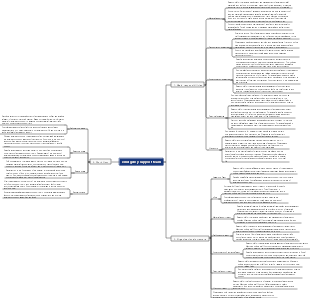
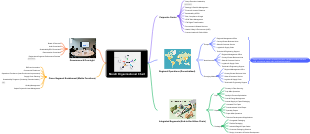
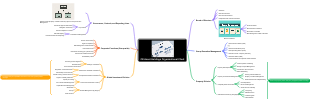
This is a common sense mind map about management, covering many aspects such as incentives, organizational dimensions, employee performance, organizational relationships, etc. It provides a comprehensive perspective and framework for understanding and applying collective decision-making and management.
Edited at 2024-11-30 02:37:08ルミ:精神的な目覚めの10次元。あなたが自分自身を探すのをやめるとき、あなたが探しているのはあなたを探しているので、あなたは宇宙全体を見つけるでしょう。あなたが毎日忍耐することは何でもあなたの精神の深みへの扉を開くことができます。沈黙の中で、私は秘密の領域に滑り込み、私は私の周りの魔法を観察するためにすべてを楽しんだが、何の騒ぎをしなかった。翼で生まれたときに、なぜcraいるのが好きですか?魂には独自の耳があり、心が理解できないことを聞くことができます。すべてへの答えを内向きに求めてください、宇宙のすべてがあなたの中にあります。恋人たちはどこかで会うことはなく、この世界には別れもありません。傷は光があなたの心に入るところです。
慢性心不全は、心拍数の速度の問題だけではありません!これは、心筋収縮と拡張期機能の減少によって引き起こされ、それが不十分な心拍出量につながり、肺循環の鬱血と全身循環のうっ血を引き起こします。原因、誘導、補償メカニズムまで、心不全の病態生理学的プロセスは複雑で多様です。浮腫を制御し、心臓の前面と後負荷を減らし、心臓の快適機能を改善し、基本的な原因を予防し、治療することにより、この課題に効果的に対応できます。心不全とマスタリング予防と治療戦略のメカニズムと臨床的症状を理解することによってのみ、心臓の健康をよりよく保護できます。
虚血再灌流損傷は、臓器や組織が血液供給を回復すると、細胞機能と代謝障害、構造的損傷が悪化する現象です。その主なメカニズムには、フリーラジカル生成の増加、カルシウム過負荷、および微小血管および白血球の役割が含まれます。心臓と脳は一般的な損傷した臓器であり、心筋の代謝と超微細構造の変化、心機能の低下などの変化として現れます。予防と制御の測定には、フリーラジカルの除去、カルシウム過負荷の減少、代謝の改善、低温、低温、低圧などの再灌流条件の制御が含まれます。これらのメカニズムを理解することは、効果的な治療オプションの開発に役立ち、虚血性損傷を軽減するのに役立ちます。
ルミ:精神的な目覚めの10次元。あなたが自分自身を探すのをやめるとき、あなたが探しているのはあなたを探しているので、あなたは宇宙全体を見つけるでしょう。あなたが毎日忍耐することは何でもあなたの精神の深みへの扉を開くことができます。沈黙の中で、私は秘密の領域に滑り込み、私は私の周りの魔法を観察するためにすべてを楽しんだが、何の騒ぎをしなかった。翼で生まれたときに、なぜcraいるのが好きですか?魂には独自の耳があり、心が理解できないことを聞くことができます。すべてへの答えを内向きに求めてください、宇宙のすべてがあなたの中にあります。恋人たちはどこかで会うことはなく、この世界には別れもありません。傷は光があなたの心に入るところです。
慢性心不全は、心拍数の速度の問題だけではありません!これは、心筋収縮と拡張期機能の減少によって引き起こされ、それが不十分な心拍出量につながり、肺循環の鬱血と全身循環のうっ血を引き起こします。原因、誘導、補償メカニズムまで、心不全の病態生理学的プロセスは複雑で多様です。浮腫を制御し、心臓の前面と後負荷を減らし、心臓の快適機能を改善し、基本的な原因を予防し、治療することにより、この課題に効果的に対応できます。心不全とマスタリング予防と治療戦略のメカニズムと臨床的症状を理解することによってのみ、心臓の健康をよりよく保護できます。
虚血再灌流損傷は、臓器や組織が血液供給を回復すると、細胞機能と代謝障害、構造的損傷が悪化する現象です。その主なメカニズムには、フリーラジカル生成の増加、カルシウム過負荷、および微小血管および白血球の役割が含まれます。心臓と脳は一般的な損傷した臓器であり、心筋の代謝と超微細構造の変化、心機能の低下などの変化として現れます。予防と制御の測定には、フリーラジカルの除去、カルシウム過負荷の減少、代謝の改善、低温、低温、低圧などの再灌流条件の制御が含まれます。これらのメカニズムを理解することは、効果的な治療オプションの開発に役立ち、虚血性損傷を軽減するのに役立ちます。
Common sense of management
manage
Definition: The process of working to achieve common goals through people and resources within and outside the organization
Key understandings of management
Management must face problems and solve them
Management requires results verification and external evaluation
The core value of management is to activate people
five dimensions of management
Make subordinates perform well
Solve the problem ✨
manager
unity of purpose
resources to the frontline
management proposition
Management is only responsible for performance
Talk about merit KPI but not about hard work
Management is a distribution
Rights, Responsibilities: No matter what is right or wrong
Management always serves operations
Don't care about people
Managing three efficiency issues
Maximize labor productivity
Motivation ✖️Ability ✖️Communication ✖️Collaboration
Maximize organizational efficiency
Division of labor
Maximize personal efficiency
deliberate practice
Drucker's key to management
time management
systems thinking
Cultivate talents
organize
Definition: A group of people who engage in systematic efforts to achieve specific goals.
4 dimensions of organization
It is an entity (everyone is his own person)
The focus is on roles (everyone performs his or her duties)
The method is division of labor (maximizing division of labor efficiency)
exist for purpose (organization exists for purpose
Understanding the problem
Is the company a home? no
Why are there so many people? Two people doing one thing
Are people equal in the organization? Impossible
What kind of relationship is the relationship within the organization? Collaboration
Organizations operate in an uncertain business world. Uncertainty!
lead
Definition: Leadership is the process of influencing others to achieve group goals.
Essential Leadership Skills
technical skills
interpersonal skills
conceptual skills
Influence: Power and Charisma
Classic leadership theory and application
How to face your boss?
How to deal with subordinates?
How to deal with high-level talents
How to deal with the new generation of employees
Authorize
organizational structure
Definition: Match the relationship between authority and responsibility
feature
Match authority with responsibility
stay stable
adapt to changes
design principles
Unification of command, span of control, division of labor design, departmentalization
Classification
Functional
cause
Flatten
network type
Seven levels of satisfaction
Authority
Divide professional lines beyond management
department
Decentralization
Formalization
span of control
Emphasis on specialization
effect
Addressing the matching of responsibilities and authority
Rebuilding the psychological contract between organizations and individuals
Suitable for enterprise stage
Entrepreneurship period
growth period
Development period
sustainable development period
excitation
Definition: Motivation refers to stimulating employees' work motivation and making employees work hard to complete the organization's tasks and achieve the organization's goals.
Basics and Motivation⬅️Classic Theory and Application of Motivation⬅️Why do people work?
Isn’t it all ⬅️ Money is an effective motivator?
Leaders have no influence ⬅️ In any situation, motivation does not work?
Employee performance is determined by managers!
plan
Definition: Planning is a series of activities that seek resources to achieve goals
Three major effects of the plan
One of the basic modes
Basics of management activities
Healthy business growth
Manager's Responsibilities
high-rise
middle level
Grassroots level
Two important aspects of planning
Necessity of purpose and rationality of action
Several frequently asked questions
How to set goals?
What are the key points of program management?
How to ensure the plan is effective?
Why don’t plans change faster?
decision making
The purpose of decision-making is to implement
Decisions that cannot be implemented are disqualified
Major decisions must be rational decisions
Need to have both self-recognized scientific thinking and social science thinking
New systems and arrangements should be piloted locally
Collective decision-making, individual responsibility
conditions for collective decision-making
A relatively small number of people are involved and can be trusted
complementary skills
shared responsibility
common working methods
floating theme