 Wondershare EdrawMind
MindMap Gallery health economy
- 32
- 1
health economy
The health economy is a specific economic field formed by the integration and interaction of health and economy. It involves the production, distribution, consumption and other economic activities of health-related products and services, as well as the impact of these activities on the overall economy and social welfare.
Edited at 2024-11-15 19:12:05
- ルミ:10精神的高次元の目覚め
ルミ:精神的な目覚めの10次元。あなたが自分自身を探すのをやめるとき、あなたが探しているのはあなたを探しているので、あなたは宇宙全体を見つけるでしょう。あなたが毎日忍耐することは何でもあなたの精神の深みへの扉を開くことができます。沈黙の中で、私は秘密の領域に滑り込み、私は私の周りの魔法を観察するためにすべてを楽しんだが、何の騒ぎをしなかった。翼で生まれたときに、なぜcraいるのが好きですか?魂には独自の耳があり、心が理解できないことを聞くことができます。すべてへの答えを内向きに求めてください、宇宙のすべてがあなたの中にあります。恋人たちはどこかで会うことはなく、この世界には別れもありません。傷は光があなたの心に入るところです。
- 病態生理 - 心不全
慢性心不全は、心拍数の速度の問題だけではありません!これは、心筋収縮と拡張期機能の減少によって引き起こされ、それが不十分な心拍出量につながり、肺循環の鬱血と全身循環のうっ血を引き起こします。原因、誘導、補償メカニズムまで、心不全の病態生理学的プロセスは複雑で多様です。浮腫を制御し、心臓の前面と後負荷を減らし、心臓の快適機能を改善し、基本的な原因を予防し、治療することにより、この課題に効果的に対応できます。心不全とマスタリング予防と治療戦略のメカニズムと臨床的症状を理解することによってのみ、心臓の健康をよりよく保護できます。
- 病態生理 - 虚血 - 再灌流障害
虚血再灌流損傷は、臓器や組織が血液供給を回復すると、細胞機能と代謝障害、構造的損傷が悪化する現象です。その主なメカニズムには、フリーラジカル生成の増加、カルシウム過負荷、および微小血管および白血球の役割が含まれます。心臓と脳は一般的な損傷した臓器であり、心筋の代謝と超微細構造の変化、心機能の低下などの変化として現れます。予防と制御の測定には、フリーラジカルの除去、カルシウム過負荷の減少、代謝の改善、低温、低温、低圧などの再灌流条件の制御が含まれます。これらのメカニズムを理解することは、効果的な治療オプションの開発に役立ち、虚血性損傷を軽減するのに役立ちます。
health economy
- ルミ:10精神的高次元の目覚め
ルミ:精神的な目覚めの10次元。あなたが自分自身を探すのをやめるとき、あなたが探しているのはあなたを探しているので、あなたは宇宙全体を見つけるでしょう。あなたが毎日忍耐することは何でもあなたの精神の深みへの扉を開くことができます。沈黙の中で、私は秘密の領域に滑り込み、私は私の周りの魔法を観察するためにすべてを楽しんだが、何の騒ぎをしなかった。翼で生まれたときに、なぜcraいるのが好きですか?魂には独自の耳があり、心が理解できないことを聞くことができます。すべてへの答えを内向きに求めてください、宇宙のすべてがあなたの中にあります。恋人たちはどこかで会うことはなく、この世界には別れもありません。傷は光があなたの心に入るところです。
- 病態生理 - 心不全
慢性心不全は、心拍数の速度の問題だけではありません!これは、心筋収縮と拡張期機能の減少によって引き起こされ、それが不十分な心拍出量につながり、肺循環の鬱血と全身循環のうっ血を引き起こします。原因、誘導、補償メカニズムまで、心不全の病態生理学的プロセスは複雑で多様です。浮腫を制御し、心臓の前面と後負荷を減らし、心臓の快適機能を改善し、基本的な原因を予防し、治療することにより、この課題に効果的に対応できます。心不全とマスタリング予防と治療戦略のメカニズムと臨床的症状を理解することによってのみ、心臓の健康をよりよく保護できます。
- 病態生理 - 虚血 - 再灌流障害
虚血再灌流損傷は、臓器や組織が血液供給を回復すると、細胞機能と代謝障害、構造的損傷が悪化する現象です。その主なメカニズムには、フリーラジカル生成の増加、カルシウム過負荷、および微小血管および白血球の役割が含まれます。心臓と脳は一般的な損傷した臓器であり、心筋の代謝と超微細構造の変化、心機能の低下などの変化として現れます。予防と制御の測定には、フリーラジカルの除去、カルシウム過負荷の減少、代謝の改善、低温、低温、低圧などの再灌流条件の制御が含まれます。これらのメカニズムを理解することは、効果的な治療オプションの開発に役立ち、虚血性損傷を軽減するのに役立ちます。
- Recommended to you
- Outline




health economy
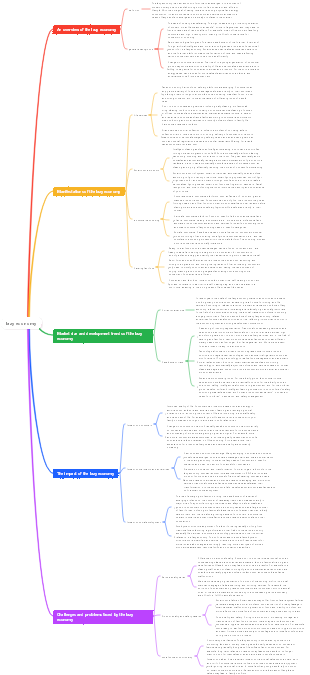
Overview
definition
Explain that the health economy is a specific economic field formed by the integration and interaction of health and economy, involving the production, distribution, consumption and other economic activities of health-related products and services, as well as the impact of these activities on the overall economy and social welfare.
generate background
The aging of the population is intensifying: the elderly have a huge demand for health services such as medical care and long-term care.
Prevalence of chronic diseases: The rising incidence rates of cardiovascular diseases, diabetes, etc. have prompted an increase in investment in disease management and prevention.
Increased health awareness: People are more concerned about their own health and are willing to invest in health, including consumption of fitness, nutritional and health products.
Medical technology progress: New diagnostic technologies, treatment methods and drug research and development promote the development of the medical industry and drive related economic activities.
The building blocks of a healthy economy
health industry
Medical services: including various diagnostic and treatment services provided by hospitals and clinics, from basic medical care to specialized medical care, surgery, rehabilitation treatment, etc.
Pharmaceutical industry: drug research and development, production and sales, covering chemical pharmaceuticals, biopharmaceuticals, traditional Chinese medicine and other fields, as well as pharmaceutical circulation links.
Medical equipment: Manufacturing and sales of various types of medical equipment and instruments, such as X-ray machines, CT scanners, blood glucose meters, surgical instruments, etc.
Health management: health examination, health consultation, disease prevention and health promotion services, such as private doctor services, personalized health plan development provided by health management companies, etc.
Rehabilitation nursing: Rehabilitation institutions, nursing home services, and home care services for needs such as postoperative rehabilitation, chronic disease rehabilitation, and elderly care.
Health care: including health food, health care equipment (such as massage chairs, foot therapy devices), beauty and health care services (such as beauty and skin care, traditional Chinese medicine health care) and other non-medical health care fields.
Healthy consumption
Personal health consumption: personal expenditures on medical care, fitness, nutritional supplements, etc., such as purchasing medical insurance, paying medical expenses, fitness membership fees, purchasing health products, etc.
Public health consumption: The government’s financial investment in public health, disease prevention and control, and medical security system construction, such as building public health facilities, carrying out vaccination projects, and providing medical assistance to low-income groups.
Market Characteristics of a Healthy Economy
Demand rigidity and elasticity coexist
Rigid demand: For basic medical services such as disease treatment, the demand is relatively stable and inelastic. People usually give priority to meeting medical needs when they are sick and are not affected by price fluctuations.
Elastic demand: In the fields of health care and high-end medical services, demand is greatly affected by factors such as consumer income levels, health awareness, product prices, etc., and has a certain degree of elasticity. For example, people with better economic conditions and health-consciousness may be more willing to buy high-priced imported health products or choose physical examination packages from private high-end hospitals.
information asymmetry
There is an information gap between healthcare providers (doctors, hospitals, etc.) and patients. Patients often lack professional medical knowledge and find it difficult to comprehensively evaluate the quality, effectiveness and price rationality of medical services, which may lead to excessive medical treatment or unreasonable consumption. For example, a patient may receive unnecessary tests or treatments based on a doctor's recommendation.
In the pharmaceutical product market, pharmaceutical companies have more comprehensive information on drug research and development, ingredients, efficacy and other information. When choosing drugs, consumers mainly rely on doctor's advice or drug advertising, and are easily misled.
Strong technology drive
Medical technology innovation plays a key role in promoting healthy economic development. New diagnostic technologies can improve the early detection rate of diseases, and advances in treatment technologies can improve treatment effects and shorten hospitalization times, thus affecting the cost and effectiveness of medical services. For example, the development of genetic testing technology makes personalized medicine possible, and precision medicine can improve the pertinence of treatment and reduce the waste of resources caused by ineffective treatment.
Technological breakthroughs in the field of pharmaceutical R&D can develop more effective new drugs to meet unmet clinical needs, while also creating huge market value. For example, the successful research and development of anti-cancer targeted drugs brings new hope to cancer patients, brings high profits to pharmaceutical companies, and promotes the upgrading and development of the entire pharmaceutical industry.
Industrial connections and driving effects of health economy
Conflicate to other industries
And the technology industry: Medical technology research and development relies on innovations in biotechnology, information technology, new material technology and other scientific and technological fields. For example, the application of artificial intelligence in medical imaging diagnosis requires the combination of computer technology and medical imaging technology; gene editing technology is a cutting-edge application of biotechnology in medical research and development, driving related scientific research equipment manufacturing, biological reagent production and other industries develop.
And manufacturing: Medical device manufacturing involves multiple manufacturing sub-sectors such as mechanical processing, electronic manufacturing, plastics and rubber. For example, the production of a high-end CT scanner requires high-precision mechanical parts processing, advanced electronic control systems, and special detector manufacturing technology. These are closely connected with the manufacturing industry and promote the development of the manufacturing industry in the field of high-end medical equipment manufacturing. Technological upgrading and industrial agglomeration.
And service industry: The development of the health economy has spawned a series of related service industries, such as medical tourism, which combines medical services with tourism and leisure, attracting domestic and foreign patients to specific areas for medical treatment and tourism consumption; health financial services, including medical insurance, health Industrial investment funds, etc., provide financial support and risk protection for the development of the health industry; in addition, there are also medical logistics and distribution services to ensure the timely supply of drugs, medical equipment and other products.
Promote employment
Direct employment: A large number of direct jobs have been created in various fields of the health industry. Hospitals and clinics need doctors, nurses, pharmacists, managers and other professionals; pharmaceutical companies need R&D personnel, production workers, sales personnel, quality control personnel; health management institutions need health consultants, nutritionists, sports coaches, etc. For example, a large general hospital may employ thousands of employees, and a pharmaceutical research and development center may have hundreds of scientific researchers and related support staff.
Indirect employment: The development of a healthy economy drives employment growth in upstream and downstream related industries. The prosperity of the medical device manufacturing industry will promote employment in upstream industries such as metal processing and parts supply, and will also drive employment in downstream industries such as product packaging, logistics and transportation, and after-sales services. For example, the expansion of medical device logistics and distribution business requires the recruitment of more warehouse managers, transportation drivers and logistics dispatchers.
Policy environment and supervision for a healthy economy
policy support
Financial subsidies: The government provides financial support for medical and health infrastructure construction, primary medical services, public health projects, etc. For example, funds are invested in the construction of township health centers and community health service centers to improve primary medical conditions; special subsidies are provided for public health services such as vaccination and infectious disease prevention and control to ensure the accessibility and quality of public health services.
Tax incentives: Tax exemptions or preferential policies will be provided to health industry companies, especially innovative pharmaceutical companies and medical device manufacturers. For example, super deductions for research and development expenses will encourage enterprises to increase investment in medical technology research and development; a non-profit organization tax exemption policy will be provided to qualified medical institutions to promote the fair provision of medical services.
Industry planning guidance: Formulate a health industry development plan, clarify key development areas and directions, and guide the rational allocation of resources. For example, biomedicine, high-end medical equipment, etc. are identified as key strategic emerging industries to cultivate, and industrial resources are gathered through planning and construction of industrial parks, innovation bases, etc. to form an industrial cluster effect and enhance industrial competitiveness.
regulatory system
Medical service supervision: supervise the access, operation, medical quality, safety and other aspects of medical institutions. Including the approval of the establishment of medical institutions, standardizing medical behavior, and preventing excessive medical treatment, medical accidents and other problems; the qualification management of medical staff to ensure that those who provide medical services have corresponding professional skills and professional qualifications; and the establishment of a medical service quality evaluation system, Regularly conduct assessments and evaluations of medical institutions to promote the improvement of medical service levels.
Pharmaceutical product supervision: Strictly supervise the entire process of research and development, clinical trials, approval for marketing, production, circulation, and use of drugs and medical devices. The drug regulatory department is responsible for the registration and approval of drugs to ensure the safety, effectiveness and quality controllability of drugs; it supervises medical devices according to risk levels, from product design and development, production and manufacturing to marketing and after-sales maintenance. Regulations and standards ensure the safety and reliability of medical devices in clinical use.
Health market supervision: supervise the advertising and publicity of health-related products and market order. Prevent false medical advertisements from misleading consumers, crack down on the circulation and sales of fake and shoddy health products in the market, maintain a fair competitive market environment, and protect the legitimate rights and interests of consumers. For example, the content of health food advertisements is reviewed, and false propaganda such as exaggerating the efficacy is prohibited; illegal medical practice and unlicensed operation of health service institutions are investigated and banned.
Development trends and challenges of the health economy
Development trend
Digitization and intelligence: Digital collection, storage and analysis of health data will become the norm, such as electronic medical records and wearable devices monitoring health data. Utilize technologies such as artificial intelligence and big data analysis to realize innovative service models such as disease prediction, precision medicine, and personalized health management. For example, by analyzing a large number of patients' clinical data and genetic data, we can develop more accurate treatment plans for cancer patients; smart health bracelets can monitor users' heart rate, exercise steps, sleep quality and other data in real time, and provide personalized health suggestions. .
Integrated development: The trend of cross-border integration between various fields within the health industry and with other industries is strengthening. For example, medical care and elderly care are integrated to form a combined model of medical care and elderly care. Medical institutions cooperate with elderly care institutions to provide one-stop medical care and elderly care services for the elderly; health is integrated with tourism, sports, culture and other industries to create a diversified healthy consumption scene. , such as hot spring health tourism, sports rehabilitation tourism, traditional Chinese medicine cultural tourism, etc., to meet consumers' diverse needs for healthy lifestyles.
Global market expansion: With the acceleration of globalization, international market competition and cooperation in the healthy economy are becoming increasingly frequent. On the one hand, multinational pharmaceutical companies and medical service institutions are accelerating their global layout and pushing advanced medical technologies, products and services to the international market; on the other hand, the health industry in some emerging countries is also rising, through low-cost advantages and special services Participate in international division of labor and competition, such as India's generic drug industry and Thailand's medical tourism services. At the same time, global cooperation in the health industry is also strengthening, including medical research and development cooperation, medical technology exchanges, international medical assistance, etc.
challenge
Cost control: The growing demand for health services and advances in medical technology have led to continued rise in health economic costs, placing a heavy burden on individuals, businesses and governments. For example, new anti-cancer drugs are expensive and unaffordable for many patients; medical insurance costs are increasing year by year, putting increasing pressure on companies and governments to spend on medical insurance. How to effectively control health economic costs while ensuring the quality and accessibility of health services has become an urgent problem to be solved. This requires a comprehensive response through multiple measures such as optimizing the allocation of medical resources, promoting disease prevention and health management, and strengthening the reform of medical insurance payment methods.
Talent shortage: The rapid development of the health economy has put forward higher requirements for all kinds of professional talents, and we are facing a situation where the supply of talents exceeds the demand. In the medical field, not only high-level clinicians and medical research talents are needed, but also comprehensive talents who are proficient in hospital management, medical insurance actuarial and other majors; in other fields of the health industry, such as health managers, rehabilitation therapists, and elderly care There is also a large gap in professional service talents such as clerks. Factors such as imperfect talent training systems and imperfect talent incentive mechanisms restrict the supply of talent and affect the sustainable development of a healthy economy.
Ethical and legal issues: Some emerging technologies and business models in the health economy have triggered a series of ethical and legal controversies. For example, gene editing technology involves changes in the human gene pool, triggering profound thoughts on bioethics and the direction of human evolution; the application of medical big data involves personal privacy protection issues, and how to find a balance between data sharing and privacy protection needs to be improved Relevant laws, regulations and ethical norms; the legality and regulatory issues of telemedicine and Internet medical services, such as the legal validity of electronic prescriptions and the handling of online medical service disputes, all require further clarification of legal definitions and regulatory frameworks.