 Wondershare EdrawMind
MindMap Gallery breast cancer
- 38
breast cancer
Breast cancer is a malignant tumor that occurs in the mammary gland epithelial tissue and originates from the uncontrolled proliferation of mammary epithelial cells. The causes are complex and mainly include genetic factors and estradiol exposure.
Edited at 2024-11-15 16:39:55
- ルミ:10精神的高次元の目覚め
ルミ:精神的な目覚めの10次元。あなたが自分自身を探すのをやめるとき、あなたが探しているのはあなたを探しているので、あなたは宇宙全体を見つけるでしょう。あなたが毎日忍耐することは何でもあなたの精神の深みへの扉を開くことができます。沈黙の中で、私は秘密の領域に滑り込み、私は私の周りの魔法を観察するためにすべてを楽しんだが、何の騒ぎをしなかった。翼で生まれたときに、なぜcraいるのが好きですか?魂には独自の耳があり、心が理解できないことを聞くことができます。すべてへの答えを内向きに求めてください、宇宙のすべてがあなたの中にあります。恋人たちはどこかで会うことはなく、この世界には別れもありません。傷は光があなたの心に入るところです。
- 病態生理 - 心不全
慢性心不全は、心拍数の速度の問題だけではありません!これは、心筋収縮と拡張期機能の減少によって引き起こされ、それが不十分な心拍出量につながり、肺循環の鬱血と全身循環のうっ血を引き起こします。原因、誘導、補償メカニズムまで、心不全の病態生理学的プロセスは複雑で多様です。浮腫を制御し、心臓の前面と後負荷を減らし、心臓の快適機能を改善し、基本的な原因を予防し、治療することにより、この課題に効果的に対応できます。心不全とマスタリング予防と治療戦略のメカニズムと臨床的症状を理解することによってのみ、心臓の健康をよりよく保護できます。
- 病態生理 - 虚血 - 再灌流障害
虚血再灌流損傷は、臓器や組織が血液供給を回復すると、細胞機能と代謝障害、構造的損傷が悪化する現象です。その主なメカニズムには、フリーラジカル生成の増加、カルシウム過負荷、および微小血管および白血球の役割が含まれます。心臓と脳は一般的な損傷した臓器であり、心筋の代謝と超微細構造の変化、心機能の低下などの変化として現れます。予防と制御の測定には、フリーラジカルの除去、カルシウム過負荷の減少、代謝の改善、低温、低温、低圧などの再灌流条件の制御が含まれます。これらのメカニズムを理解することは、効果的な治療オプションの開発に役立ち、虚血性損傷を軽減するのに役立ちます。
breast cancer
- ルミ:10精神的高次元の目覚め
ルミ:精神的な目覚めの10次元。あなたが自分自身を探すのをやめるとき、あなたが探しているのはあなたを探しているので、あなたは宇宙全体を見つけるでしょう。あなたが毎日忍耐することは何でもあなたの精神の深みへの扉を開くことができます。沈黙の中で、私は秘密の領域に滑り込み、私は私の周りの魔法を観察するためにすべてを楽しんだが、何の騒ぎをしなかった。翼で生まれたときに、なぜcraいるのが好きですか?魂には独自の耳があり、心が理解できないことを聞くことができます。すべてへの答えを内向きに求めてください、宇宙のすべてがあなたの中にあります。恋人たちはどこかで会うことはなく、この世界には別れもありません。傷は光があなたの心に入るところです。
- 病態生理 - 心不全
慢性心不全は、心拍数の速度の問題だけではありません!これは、心筋収縮と拡張期機能の減少によって引き起こされ、それが不十分な心拍出量につながり、肺循環の鬱血と全身循環のうっ血を引き起こします。原因、誘導、補償メカニズムまで、心不全の病態生理学的プロセスは複雑で多様です。浮腫を制御し、心臓の前面と後負荷を減らし、心臓の快適機能を改善し、基本的な原因を予防し、治療することにより、この課題に効果的に対応できます。心不全とマスタリング予防と治療戦略のメカニズムと臨床的症状を理解することによってのみ、心臓の健康をよりよく保護できます。
- 病態生理 - 虚血 - 再灌流障害
虚血再灌流損傷は、臓器や組織が血液供給を回復すると、細胞機能と代謝障害、構造的損傷が悪化する現象です。その主なメカニズムには、フリーラジカル生成の増加、カルシウム過負荷、および微小血管および白血球の役割が含まれます。心臓と脳は一般的な損傷した臓器であり、心筋の代謝と超微細構造の変化、心機能の低下などの変化として現れます。予防と制御の測定には、フリーラジカルの除去、カルシウム過負荷の減少、代謝の改善、低温、低温、低圧などの再灌流条件の制御が含まれます。これらのメカニズムを理解することは、効果的な治療オプションの開発に役立ち、虚血性損傷を軽減するのに役立ちます。
- Recommended to you
- Outline
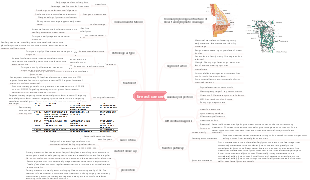

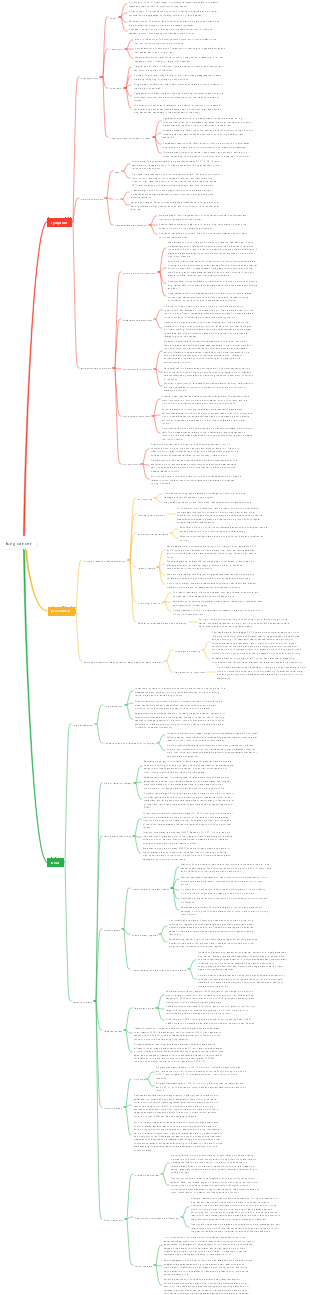
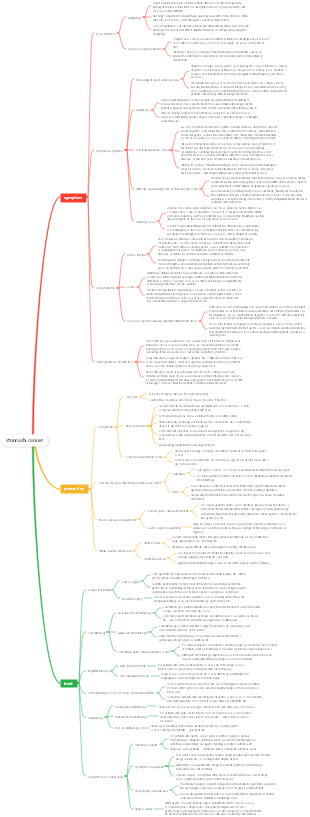

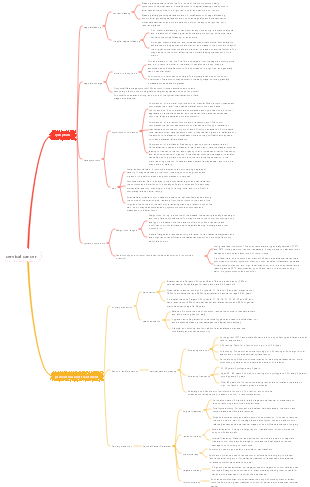
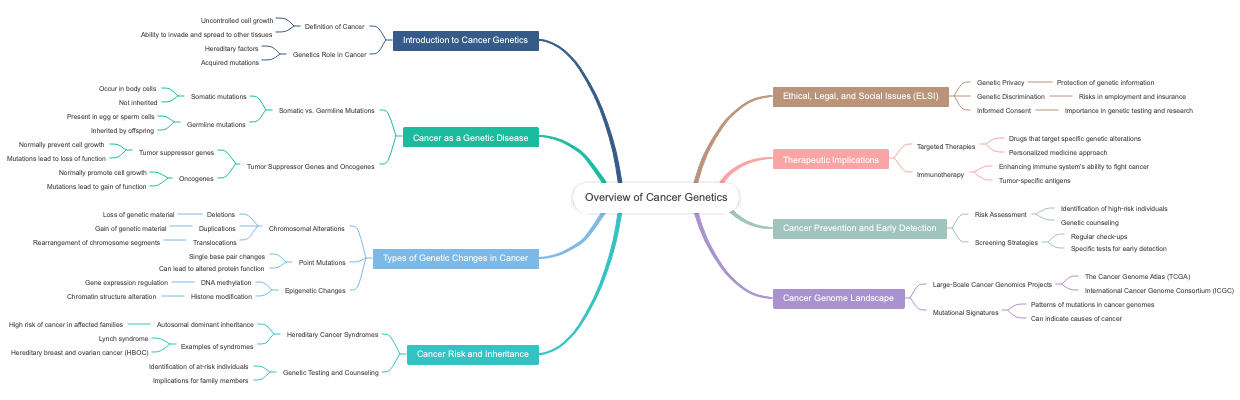
breast cancer
symptom
breast lump
early performance
Painless lump: Most breast cancer patients present with a painless lump in the breast as the first symptom. The lump is mostly single, hard in texture, with irregular edges, smooth surface, poor mobility, and unclear boundaries with surrounding tissues.
Predilection sites: The outer and upper quadrants are the most common, followed by the nipple, areola area and inner and upper quadrants.
Mass changes (progressive stage)
Enlargement of the mass: As the disease progresses, the mass may gradually increase in size, possibly from a few millimeters in the early stages to several centimeters, making it easier to detect.
Morphological changes: The mass can be round, oval or irregular, and some can be lobulated. The adhesion to the surrounding tissue may be more obvious, and the mobility is further limited.
Local skin changes on the breast
dimple sign
Formation mechanism: The tumor invades the suspensory ligament of the breast (Cooper's ligament), shortening it and pulling the skin to form a local depression, similar to a dimple.
Characteristics: Most appear near lumps, which may become more obvious as the condition worsens. It is easier to observe when the arms droop or the breasts move to a certain extent.
Orange peel change
Principle: Breast cancer cells block subcutaneous lymphatic vessels, causing lymphatic reflux obstruction and causing skin edema. However, the skin at the hair follicles is closely connected to the subcutaneous tissue and the edema is not obvious, giving the skin an orange peel-like appearance.
Appearance characteristics: The breast skin is thickened and rough, the pores are enlarged and sunken, and there are many point-like depressions on the surface, mainly involving large areas of the breast surface.
skin satellite nodules
Cause: Cancer cells spread along the gap between the lymphatic vessels, breast ducts or fascia to the skin, and form multiple small nodules around the main lesions.
Characteristics of nodules: Nodules are hard in texture, can appear singly or in multiples, vary in size, and are distributed on the surface of the breast skin, at a certain distance from the main mass.
nipple changes
nipple retraction
Nipple inversion or deviation: The tumor invades the nipple or the milk duct in the subareola area, which can cause the nipple to be stretched, causing the nipple to be inverted or deflected to one side, and the original normal nipple position and shape will change.
The degree of nipple retraction varies: the degree of nipple retraction can be mild or severe. In mild cases, the nipple may only be slightly inverted. In severe cases, the nipple may be completely sunk below the areola plane.
nipple discharge
Bloody discharge: This is a common and important manifestation of nipple discharge. The liquid is red or dark red and can overflow on its own or appear when the nipple is squeezed, indicating that there may be lesions in the breast ducts.
Serous discharge: The discharge is light yellow or clear liquid, which can occur intermittently or continuously, and the amount can be large or small.
Other types of discharge: Watery, purulent, or milky discharge may also occur but is less common, and each type of discharge may be associated with a different type of breast disease.
Breast pain (rarely)
Dull or distending pain: Some patients may experience breast pain of varying degrees. Most of the pain is dull or distending pain, which can be intermittent or continuous. The location of the pain may be related to the location of the lump, or the entire breast may be painful.
Independent of the menstrual cycle (different from physiological pain): This kind of pain is different from normal premenstrual breast tenderness and does not change regularly with the menstrual cycle. It is often caused by tumor invasion of surrounding tissues or nerves.
swollen lymph nodes in armpit
Characteristics of swollen lymph nodes: In the early stage, single or multiple swollen lymph nodes can be felt in the armpit. They are hard and movable. As the disease progresses, the lymph nodes can gradually enlarge, fuse with each other and form lumps, and their mobility becomes poor, and they even become attached to the skin. or deep tissue adhesions.
May be accompanied by pain or tenderness (in rare cases): Some patients' enlarged lymph nodes may be accompanied by pain or tenderness, especially when the inflammatory response of the lymph nodes is obvious, but in most cases there is no obvious pain.
Symptoms of distant metastasis (late stage)
lung metastasis
Cough and hemoptysis: Irritating cough may occur, mostly dry cough or accompanied by a small amount of white sputum. Hemoptysis may include blood in the sputum or a small amount of blood. The severity varies depending on the size and number of metastases.
Chest pain and dyspnea: When lung metastasis invades the pleura or causes lung tissue destruction, it can cause chest pain, which is mostly a dull or dull pain, may be accompanied by dyspnea, and worsens after activity.
bone metastasis
Bone pain: pain occurs at the metastasis site, and the nature of the pain is diverse. It can be persistent dull pain, tingling pain, or soreness. The pain is severe and can affect the patient's sleep and daily activities.
Pathological fractures: Bones become fragile due to tumor invasion. Fractures can occur under the action of slight external force. They are common in the spine, ribs, pelvis and other parts. After fractures, local severe pain, swelling, deformity and other symptoms may occur.
liver metastasis
Pain in the liver area: mostly dull pain or distending pain in the right upper quadrant, which may be accompanied by digestive system symptoms such as loss of appetite, nausea, and vomiting. As the condition progresses, the pain may worsen.
Jaundice (rare): When metastases extensively affect liver function, jaundice may occur, manifesting as yellow staining of the skin and sclera.
prevention
lifestyle adjustments
healthy eating
Increase the intake of fruits and vegetables: Make sure to consume more than 5 kinds of vegetables and fruits of different colors every day. They are rich in vitamins, minerals and dietary fiber and help maintain normal metabolism of the body.
Control fat intake: Reduce the intake of high-fat foods such as animal fats, fried foods and pastries. Fat intake should account for 20% - 30% of total calories.
Intake protein in moderation: Choose lean meat, fish, beans, eggs and other high-quality protein sources to ensure normal tissue repair and immune function of the body.
Reduce alcohol intake: Women should consume no more than 15 grams of alcohol per day (approximately equivalent to about 1 tael of liquor or about 1 bottle of beer). Alcohol can affect estrogen metabolism and increase the risk of breast cancer.
regular exercise
Weekly exercise days and duration: At least 150 minutes of moderate-intensity aerobic exercise per week, for example, it can be divided into 5 times, each time about 30 minutes; high-intensity interval training can also be performed appropriately, but it needs to be based on physical adaptation. conduct.
Recommended exercise types: Walking, which is simple and easy, can promote blood circulation throughout the body; jogging, which can enhance cardiopulmonary function and physical endurance; yoga, which helps improve body flexibility and physical and mental balance; swimming, which puts less pressure on joints and exercises muscles throughout the body group.
weight management
Maintain an appropriate weight range: By calculating the body mass index (BMI), the normal range is generally between 18.5 and 23.9. Monitor weight changes regularly to avoid significant weight fluctuations in a short period of time.
Avoid excessive obesity or weight loss: Obesity can lead to an increase in estrogen levels in the body, while weight loss may cause reduced body resistance, endocrine disorders, etc., which are not conducive to breast health.
Reduce exposure to risk factors
Avoid ionizing radiation
Reduce unnecessary X-ray examinations: If necessary, avoid frequent chest X-rays, CT and other examinations that contain ionizing radiation. Breast tissue in young women, especially, is more sensitive to radiation.
Occupational protection: For professionals engaged in radiology departments, nuclear power plants, etc., they must wear protective equipment in strict accordance with occupational regulations, and undergo regular radiation dose monitoring and health examinations.
Use estrogen drugs with caution
Understand the risks of using estrogen-containing drugs: For example, certain contraceptive pills, estrogen replacement drugs, etc. need to be fully understood before using them as they may increase the risk of breast cancer.
Follow the doctor's advice and use medications rationally: Under the doctor's evaluation, weigh the necessity and risks of drug treatment, use estrogen drugs in strict accordance with the doctor's prescribed dosage and course of treatment, and review relevant indicators regularly.
Breast self-examination and screening
Breast self-examination method
Inspection: Conduct monthly examination 7-10 days after the end of menstruation. Stand in front of a mirror and observe whether the appearance of the breasts is symmetrical, whether there are sunken, red and swollen skin, orange peel-like changes, and whether the nipples are inverted, discharge, etc.
Palpation: Lie flat on the bed and gently touch the outer upper, outer lower, inner lower, inner upper quadrants, areola area, and armpits of the breast with your fingertips in order to feel for lumps and nodules. Pay attention to the size, texture, boundary, and Mobility and other characteristics, and compare the differences between the two breasts at the same time.
Regular screening
Recommended age and frequency of screening for the general population: Mammography examinations should be performed once a year starting from 40 to 45 years old, which may be combined with breast ultrasound; mammography examinations should be performed every 1 to 2 years between 45 and 69 years old; every 1 to 2 years for those over 70 years old. Once every 2 years.
Special screening requirements for high-risk groups: If you have a family history of breast cancer (first-degree relatives have breast cancer), carry BRCA1/2 gene mutations and other high-risk factors, the screening age can be advanced to 35 years old or even earlier. In addition to routine examinations, you can Consider having an annual breast magnetic resonance imaging (MRI) exam.
screening methods
Mammography: It can detect abnormalities such as early microcalcifications, but it may have certain limitations in dense breast tissue.
Ultrasound examination: It has the advantage of identifying cystic lesions and breast nodules, and it does not require radiation. It can be used as a supplement to mammography, especially for young women or those with dense breasts.
Breast magnetic resonance imaging: It has high resolution of soft tissue and can display the scope of breast lesions more clearly. However, the examination cost is relatively high. It is generally not used as a routine primary screening method. It is mostly used for screening high-risk groups or evaluating difficult cases.
treat
surgical treatment
Surgery type
Modified radical mastectomy for breast cancer: excision of the affected breast, pectoralis major fascia, and axillary lymph node dissection is a relatively common surgical method that can effectively remove tumor tissue, but has a greater impact on the appearance of the breast.
Breast-conserving surgery: Only the tumor and some surrounding normal tissue are removed, and the breast shape is preserved. Comprehensive treatment such as radiotherapy is required after surgery, but the indications must be strictly controlled, such as tumor size, location, and distance from the nipple and areola, etc.
Sentinel lymph node biopsy: Use a tracer to locate the axillary sentinel lymph node and perform biopsy. If there is no metastasis of the sentinel lymph node, axillary lymph node dissection can be avoided and complications such as upper limb lymphedema can be reduced.
Pre and post surgery care
Preoperative preparation: Complete various physical examinations, including blood routine, coagulation function, liver and kidney function, electrocardiogram, etc.; provide psychological counseling to reduce the patient's fear and anxiety about surgery; prepare the skin before operation, especially the affected breast and armpit area.
Postoperative wound care: Keep the wound clean and dry, change dressings regularly, and observe the wound for signs of infection such as bleeding, exudation, redness, swelling, fever, etc.; properly fix the drainage tube, record the amount, color, and nature of the drainage fluid to ensure smooth drainage.
Postoperative rehabilitation exercise guidance: In the early stage after surgery, you can perform simple exercises such as making fists and bending elbows, and gradually transition to shoulder activities, such as wall climbing exercises, pendulum exercises, etc., to promote blood circulation and functional recovery of the affected upper limb, but care should be taken to avoid Excessive stretching of the wound.
Chemotherapy
Types of chemotherapy drugs
Introduction to commonly used chemotherapy drugs: such as cyclophosphamide, doxorubicin, paclitaxel, etc. Different drugs have different mechanisms of action. Some of them destroy the DNA structure of tumor cells, and some inhibit the polymerization of tubulin in tumor cells, thereby preventing tumor cells from dividing. and proliferation.
Chemotherapy plan formulation
According to the staging of the disease, the physical condition of the patient, etc.: For early breast cancer, postoperative auxiliary chemotherapy can be used to reduce the risk of recurrence; advanced breast cancer can formulate palliated chemotherapy solutions based on tumor metastasis and patient physical condition scores. Chemotherapy schemes are often combined with a variety of drugs, such as the AC -T scheme (polyphonic phosphoricide sequence of paclitaxel), etc., and determine the types of drugs, dosage, use order and interval time.
Chemotherapy cycles and doses: Generally, postoperative adjuvant chemotherapy is 4-8 cycles, with an interval of 2-3 weeks between each cycle; chemotherapy cycles for advanced breast cancer are determined based on the efficacy and patient tolerance. The dose of chemotherapy needs to be calculated based on the patient's body surface area, and should be adjusted appropriately taking into account factors such as the patient's age, liver and kidney function, etc., to ensure efficacy and minimize toxic side effects.
Chemotherapy Side Effects and Responses
Nausea, vomiting and other gastrointestinal reactions and treatment: preventive use of antiemetic drugs, such as 5-hydroxytryptamine receptor antagonists (such as ondansetron), dexamethasone, etc.; adjust the diet, eat small and frequent meals, and choose light and easy-to-digest meals Food, avoid greasy, spicy and irritating food; you can appropriately supplement vitamin B6 and other nutrients to relieve symptoms.
Hair loss response: Explain to patients that hair loss is a common side effect of chemotherapy and is reversible. Hair can gradually grow back after chemotherapy is completed; wigs, hats and other accessories can be prepared in advance to maintain the patient's image and psychological confidence.
Monitoring and treatment of myelosuppression: Regularly review blood routine during chemotherapy and observe changes in white blood cells, red blood cells, and platelet counts. When leukocytes are reduced, granulocyte colony-stimulating factor (G-CSF) can be used to promote leukocyte production; when anemia is severe, blood transfusion treatment can be considered; when thrombocytopenia occurs, attention should be paid to preventing bleeding and platelet transfusions if necessary.
radiotherapy
The purpose and application of radiotherapy
Postoperative adjuvant radiotherapy: Reduces the risk of local recurrence and is suitable for patients with larger tumors (>5cm in diameter), large number of axillary lymph node metastases (≥4), and breast-conserving surgery.
Preoperative neoadjuvant radiotherapy: reduces tumor volume and improves surgical resection rate, suitable for patients with locally advanced breast cancer.
Radiotherapy technology and equipment
Conventional radiotherapy: uses a fixed radiation field and uniform dose distribution, but the protection of normal tissues is relatively limited.
Precision radiotherapy
Intensity-modulated radiotherapy (IMRT): Through computer control, the intensity of radiation is adjusted to make the high-dose area better fit the shape of the tumor and reduce the radiation dose to surrounding normal tissues such as the lungs and heart.
Proton radiotherapy: Utilizes the physical characteristics of the proton beam to form a high-dose area at the tumor site, while the dose to the normal tissue behind the tumor is reduced sharply, further improving the accuracy and safety of radiotherapy. However, the equipment is expensive and the popularity is relatively low.
Radiotherapy adverse reactions and care
Skin damage care: Keep the skin in the radiotherapy area clean and dry, avoid friction and scratching, and wear loose and soft clothes; skin protectants (such as Biafine) can be used to prevent and reduce skin reactions; if skin erythema or pigmentation occurs, you can generally treat it yourself Relieve; if wet peeling, ulcers, etc. occur, seek medical treatment in time to prevent infection.
Prevention and monitoring of radiation pneumonitis: During radiotherapy, patients should be closely observed for cough, sputum production, dyspnea and other symptoms, and chest X-rays or CT examinations should be reviewed regularly. For patients with high-risk factors (such as chronic lung disease, large-area irradiation, etc.), glucocorticoids and other drugs can be used prophylactically; if radiation pneumonitis occurs, oxygen inhalation, cough relieving, asthma relief, anti-infection and Glucocorticoid treatment, etc.
endocrine therapy
endocrine therapy drugs
1. Selective estrogen receptor modulators (such as tamoxifen): compete with estrogen for receptors and block the stimulating effect of estrogen on tumor cells. They are suitable for patients with estrogen receptor (ER)-positive breast cancer. Generally It needs to be taken continuously for 5-10 years.
2. Aromatase inhibitors: inhibit the conversion of androgens into estrogens in postmenopausal women and reduce estrogen levels, such as letrozole, anastrozole, exemestane, etc., which are commonly used in postmenopausal ER-positive patients and can be used as tamoxifen. Sequential or initial treatment options after treatment with oxifene.
3. Ovarian function inhibitors: such as goserelin, etc., inhibit ovarian function and reduce estrogen secretion. They are suitable for premenopausal ER-positive high-risk recurrence patients and can be used in combination with tamoxifen or aromatase inhibitors.
Treatment duration and monitoring
General treatment cycle: It depends on the patient's condition, menopausal status and the type of drug. For example, tamoxifen is generally taken for 5-10 years; aromatase inhibitors are generally taken for about 5 years; the course of treatment for ovarian function inhibitors combined with other endocrine therapy drugs It also needs to be determined through comprehensive evaluation.
Regular review items: Regularly detect serum estradiol and other hormone levels to understand the effect of endocrine treatment; for patients taking tamoxifen, regular gynecological examinations (such as uterine B-ultrasound) are required to monitor the thickness of the endometrium and prevent endometrium The occurrence of cancer; at the same time, pay attention to whether the patient has side effects such as hot flashes, night sweats, and osteoporosis. If necessary, conduct a bone density examination and provide corresponding treatment.
side effect management
Treatment of hot flashes and night sweats: You can adjust your lifestyle, such as wearing breathable and light clothing, maintaining a suitable indoor temperature, etc.; when symptoms are severe, you can consider using medication, such as gabapentin, to relieve hot flash symptoms.
Prevention and treatment of osteoporosis: Encourage patients to properly supplement calcium and vitamin D, and increase weight-bearing exercise; for patients with significantly reduced bone density or who have developed osteoporosis, anti-osteoporosis drugs, such as bisphosphonates, can be used (such as zoledronic acid).
targeted therapy
targeted drug targets
HER2 target drugs (such as trastuzumab, etc.): For HER2-positive breast cancer patients (HER2 protein overexpression or gene amplification detected by immunohistochemistry), they inhibit the growth and proliferation of tumor cells by binding to the HER2 receptor. Signal transduction pathways can significantly improve the survival rate and therapeutic effect of such patients.
Other emerging targets and drugs: Drug research on targets such as the PI3K-AKT-mTOR signaling pathway and BRCA gene mutations is also progressing, providing more potential options for breast cancer treatment.
Applicable population and efficacy evaluation
Genetic testing to determine the applicability of targeted therapy: Before using targeted drugs, it is necessary to determine whether the patient has corresponding target abnormalities through immunohistochemistry, fluorescence in situ hybridization (FISH) and other testing methods. Only patients with specific target abnormalities such as HER2 positivity Only patients are suitable for corresponding targeted therapy.
Efficacy monitoring indicators during treatment: Observe changes in tumor size, number, metastasis and other changes through regular review of tumor markers (such as CA15-3) and imaging examinations (such as breast ultrasound, CT, MRI, etc.) to evaluate the effect of targeted therapy; At the same time, monitor cardiac function (such as left ventricular ejection fraction), because some targeted drugs may have cardiotoxicity. For example, during trastuzumab treatment, you need to pay close attention to the cardiac condition and adjust the treatment plan in a timely manner.
Immunotherapy (emerging field)
Immunotherapy drugs and mechanisms
The application of immune examination point inhibitors in breast cancer: such as programmatic death receptor 1 (PD -1) and its ligand (PD -L1) inhibitors, by blocking the immune examination point between tumor cells and immune cells Signal pathway, restore the body's immune system's ability to identify and kill tumor cells. At present, there are certain clinical research progress in specific types of breast cancer such as three -negative breast cancer.
Clinical research progress and prospects
Results of the current trial phase: Some immunotherapy drugs have shown certain efficacy in patients with advanced breast cancer in clinical trials, and can extend the progression-free survival or overall survival of some patients, but the overall effectiveness still needs to be improved, and different immunotherapy Drug combinations or combinations with chemotherapy, targeted therapy, etc. are also being explored.
Future development trends: With in-depth research on the immune microenvironment of breast cancer, it is expected to develop more precise and effective immunotherapy strategies, such as finding new immunotherapy targets, developing biomarkers to predict the efficacy of immunotherapy, and optimizing Combined treatment options, etc., bring more treatment hope to breast cancer patients.
Rehabilitation and psychological support
physical recovery
Functional recovery training of the affected limb: Begin early after surgery, follow the principle of gradual progress, first conduct simple joint range of motion training, and gradually increase muscle strength training, such as using grippers, elastic bands, etc.; at the same time, pay attention to the lymphatic system of the affected upper limb Prevention and treatment of edema, such as avoiding prolonged sagging and pressure of the affected upper limb, wearing appropriate pressure cuffs, etc.
Physical recovery and nutritional support: Develop an individualized physical recovery plan based on the patient's physical condition, including appropriate exercise and adequate rest and sleep; ensure balanced nutritional intake, increase the intake of nutrients such as protein, vitamins, and minerals, and promote physical recovery and immunity improvement.
psychological adjustment
Patient mental state assessment and intervention: Regularly conduct psychological assessments on patients to understand whether they have anxiety, depression, fear and other negative emotions; mild psychological problems can be alleviated through psychological counseling, health education, etc., such as introducing breast cancer to patients Successful treatment cases, explanation of disease-related knowledge, etc.; for moderate to severe psychological disorders, promptly ask a psychologist to provide professional intervention, such as cognitive behavioral therapy, supportive psychotherapy, etc.
Establishment of family and social support system: Encourage family members to provide patients with emotional support, daily care, and accompany patients through treatment difficulties; at the same time, communities, public welfare organizations, etc. can also carry out relevant activities to provide breast cancer patients with communication platforms, rehabilitation guidance and other social support , enhance patients’ confidence and courage to overcome the disease.
Follow-up and recurrence monitoring
Follow-up plan development
Follow-up interval arrangement: follow-up every 3-6 months within 2 years after surgery; follow-up every 6 months 3-5 years after surgery; follow-up every year after 5 years.
Follow-up examination items
Physical examination: including palpation of breasts and bilateral axillary and supraclavicular lymph nodes, checking for lumps and nodules; observing the functional recovery of the affected upper limb and whether there is lymphedema, etc.
Imaging examination: Regular breast ultrasound examination, mammography or magnetic resonance imaging examination when necessary, and monitoring of local and regional breast lymph nodes; for patients with risk of distant metastasis, chest CT, abdominal ultrasound, Bone scan and other examinations are performed to check for distant metastasis in the lungs, liver, bones and other places.
Tumor markers: Detect the levels of serum CA15-3, CEA and other tumor markers to assist in determining tumor recurrence or metastasis. However, elevated tumor markers do not necessarily mean tumor recurrence. Comprehensive judgment must be made based on clinical symptoms and other examinations.
Recognition of early symptoms of relapse
Common manifestations of local recurrence and distant metastasis
Local recurrence: Painless lumps and nodules appear on the breast or chest wall, skin redness, swelling, ulceration, nipple discharge, etc.
Distant metastasis: Lung metastasis can cause cough, sputum, hemoptysis, dyspnea, etc.; liver metastasis can cause right upper quadrant pain, abdominal distension, jaundice, loss of appetite, etc.; bone metastasis can cause bone pain, pathological fractures, etc., and common metastasis The parts include spine, ribs, pelvis, etc.
Coping strategies and re-treatment options after recurrence: Once recurrence is discovered, the patient's condition needs to be re-evaluated, including the site, scope, metastasis, and physical condition of the patient. Based on the evaluation results, individualized comprehensive treatment options such as reoperation, chemotherapy, radiotherapy, endocrine therapy, and targeted therapy can be selected with the goal of prolonging the patient's survival and improving the quality of life.