MindMap Gallery Sodium
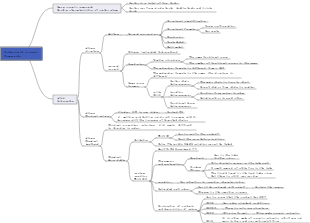
This is a mind map about Na Na, which summarizes and organizes the knowledge points and covers all core contents, which is very convenient for everyone to learn. Suitable for exam review and preview to improve learning efficiency. Hurry up and collect it to learn together!
Edited at 2024-11-15 01:53:48ルミ:精神的な目覚めの10次元。あなたが自分自身を探すのをやめるとき、あなたが探しているのはあなたを探しているので、あなたは宇宙全体を見つけるでしょう。あなたが毎日忍耐することは何でもあなたの精神の深みへの扉を開くことができます。沈黙の中で、私は秘密の領域に滑り込み、私は私の周りの魔法を観察するためにすべてを楽しんだが、何の騒ぎをしなかった。翼で生まれたときに、なぜcraいるのが好きですか?魂には独自の耳があり、心が理解できないことを聞くことができます。すべてへの答えを内向きに求めてください、宇宙のすべてがあなたの中にあります。恋人たちはどこかで会うことはなく、この世界には別れもありません。傷は光があなたの心に入るところです。
慢性心不全は、心拍数の速度の問題だけではありません!これは、心筋収縮と拡張期機能の減少によって引き起こされ、それが不十分な心拍出量につながり、肺循環の鬱血と全身循環のうっ血を引き起こします。原因、誘導、補償メカニズムまで、心不全の病態生理学的プロセスは複雑で多様です。浮腫を制御し、心臓の前面と後負荷を減らし、心臓の快適機能を改善し、基本的な原因を予防し、治療することにより、この課題に効果的に対応できます。心不全とマスタリング予防と治療戦略のメカニズムと臨床的症状を理解することによってのみ、心臓の健康をよりよく保護できます。
虚血再灌流損傷は、臓器や組織が血液供給を回復すると、細胞機能と代謝障害、構造的損傷が悪化する現象です。その主なメカニズムには、フリーラジカル生成の増加、カルシウム過負荷、および微小血管および白血球の役割が含まれます。心臓と脳は一般的な損傷した臓器であり、心筋の代謝と超微細構造の変化、心機能の低下などの変化として現れます。予防と制御の測定には、フリーラジカルの除去、カルシウム過負荷の減少、代謝の改善、低温、低温、低圧などの再灌流条件の制御が含まれます。これらのメカニズムを理解することは、効果的な治療オプションの開発に役立ち、虚血性損傷を軽減するのに役立ちます。
ルミ:精神的な目覚めの10次元。あなたが自分自身を探すのをやめるとき、あなたが探しているのはあなたを探しているので、あなたは宇宙全体を見つけるでしょう。あなたが毎日忍耐することは何でもあなたの精神の深みへの扉を開くことができます。沈黙の中で、私は秘密の領域に滑り込み、私は私の周りの魔法を観察するためにすべてを楽しんだが、何の騒ぎをしなかった。翼で生まれたときに、なぜcraいるのが好きですか?魂には独自の耳があり、心が理解できないことを聞くことができます。すべてへの答えを内向きに求めてください、宇宙のすべてがあなたの中にあります。恋人たちはどこかで会うことはなく、この世界には別れもありません。傷は光があなたの心に入るところです。
慢性心不全は、心拍数の速度の問題だけではありません!これは、心筋収縮と拡張期機能の減少によって引き起こされ、それが不十分な心拍出量につながり、肺循環の鬱血と全身循環のうっ血を引き起こします。原因、誘導、補償メカニズムまで、心不全の病態生理学的プロセスは複雑で多様です。浮腫を制御し、心臓の前面と後負荷を減らし、心臓の快適機能を改善し、基本的な原因を予防し、治療することにより、この課題に効果的に対応できます。心不全とマスタリング予防と治療戦略のメカニズムと臨床的症状を理解することによってのみ、心臓の健康をよりよく保護できます。
虚血再灌流損傷は、臓器や組織が血液供給を回復すると、細胞機能と代謝障害、構造的損傷が悪化する現象です。その主なメカニズムには、フリーラジカル生成の増加、カルシウム過負荷、および微小血管および白血球の役割が含まれます。心臓と脳は一般的な損傷した臓器であり、心筋の代謝と超微細構造の変化、心機能の低下などの変化として現れます。予防と制御の測定には、フリーラジカルの除去、カルシウム過負荷の減少、代謝の改善、低温、低温、低圧などの再灌流条件の制御が含まれます。これらのメカニズムを理解することは、効果的な治療オプションの開発に役立ち、虚血性損傷を軽減するのに役立ちます。
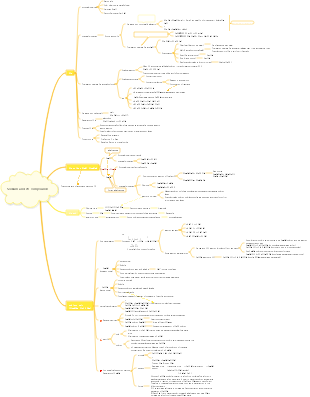
Sodium and its oxides
Na
physical properties
Status: solid
Color: silvery white metallic luster
Hardness: Small
Density: Kerosene<Na<H₂O
chemical properties
Strong reducibility
Na reacts with non-metallic elements
△ 2NaCl₂==2NaCl
4Na O₂==2Na₂O (white) → Store Na in paraffin oil or kerosene → Isolate O₂, H₂O
△ 2Na O₂==Na₂O₂ (light yellow)
1molNa transfers 1mole⁻
The reaction between Na and H₂O
Essence: replace H in H₂O, H⁺, and -OH
Na与酸反应:2Na+2H⁺==2Na⁺+H₂↑
Na与乙醇反应:2CH₃CH₂OH+2Na==H₂↑+2CH₃CH₂ONa
2Na 2H₂O==2NaOH H₂↑
Phenomenon
Float (that floats on the water)
Na is less dense than water
Melt (Na melts into small balls)
The reaction between Na and water releases heat → the temperature rises The melting point of Na is very low → Na melts
Swim (Na swim around)
Gas (H₂)
Ring (hissing sound)
Gas (H₂)
Red (phenolphthalein solution turns red)
Alkaline (NaOH)
The reaction between Na and salt solution
Analyze reaction
When Na encounters a salt/alkali solution, it reacts directly with water: 2Na 2H₂O==2NaOH H₂↑
Then consider whether there will be any follow-up reactions
Analyze phenomena
Look at the product
Look at other factors
Reaction is endothermic
Consumption of reactants
e.g.
①2Na 2H₂O==2NaOH H₂↑
②Na reacts with saturated Ca(OH)₂: generates gas and precipitates ↓ H₂O will decrease, causing Ca(OH)₂ to precipitate
②NaOH NH₄Cl==NH₃↑ H₂O NaCl
②3NaOH FeCl₃==Fe(OH)₃↓ 3NaCl
②2NaOH CuSO₄==Na₂SO₄ Cu(OH)₂↓
Na reacts with molten salt
melt 4Na TiCl₄====4NaCl Ti
Preparation of Na
electrolysis 2NaCl (melted)====2Na Cl₂↑
The use of Na
Sodium-potassium alloy (liquid) can be used as a thermal conductive agent in atomic reactors
Used for electric light sources, making high-pressure sodium lamps
Things to note
Removal: Use tweezers
Fire Fighting: Dry Sand
Recycling: Return to original bottle
Na oxides (N₂O, Na₂O₂)
Na₂O
alkaline oxide
Physical properties: white solid
chemical properties
Na₂O H₂O==2NaOH
Na₂O CO₂==Na₂CO₃
Na₂O₂
Not an alkaline oxide
Physical properties: light yellow solid
chemical properties
-Disproportionation reaction of 1-valent O
2Na₂O₂ 2H₂O==4NaOH O₂↑
Step by step: Na₂O₂ 2H₂O==H₂O₂ 2NaOH 2H₂O₂==2H₂O O₂↑
2Na₂O₂ 2CO₂==2Na₂CO₃ O₂
Oxidizing
Na₂O₂ SO₂==Na₂SO₄
Na₂O₂ H₂S==2NaOH S
react with indicator
Magenta solution: colorless bubbles are produced and the magenta solution fades
Phenolphthalein solution: colorless bubbles are produced, and the solution first turns red and then fades.
bleach
Oxidized type
HClO, NaClO, Ca(ClO)₂ Na₂O₂, H₂O₂, O₃
Destroy organic pigments
Irreversible
Additive
SO₂
Combine organic pigments to produce colorless substances
Reversible
adsorption type
activated carbon
Adsorb colored substances to cause fading
physical changes
sodium salt (Na₂CO₃, NaHCO₃)
Acid-base reaction
④ |——————————| | ① H⁺ ↓ ② H⁺ | Conversion: CO₃²⁻—→HCO₃—→H₂CO₃ (CO₂) ←— ←— ③OH⁻ OH⁻ Normal salt Acid hydrochloride Acid
reaction equation
①CO₃²⁻ H⁺==HCO₃⁻
②HCO₃⁻ H⁺==CO₂↑ H₂O
③HCO₃⁻ OH⁻==CO₃²⁻ H₂O
④CO₃²⁻ CO₂ H₂O==2HCO₃⁻
Some reaction characteristics
Reaction of Na₂CO₃ and HCl (forward and reverse drip problem)
Add dilute hydrochloric acid dropwise to the Na₂CO₃ solution, and the reaction proceeds step by step Na₂CO₃ HCl==NaCl NaHCO₃ (no bubbles are generated at first) NaHCO₃ HCl==NaCl H₂O CO₂↑ (continue to drop to produce bubbles)
Add Na₂CO₃ solution dropwise to dilute hydrochloric acid Na₂CO₃ 2HCl==2NaCl H₂O CO₂↑ (bubbles are generated at the beginning)
NaHCO₃ reacts with HCl
NaHCO₃ HCl==NaCl H₂O CO₂↑ (bubbles (CO₂) are generated immediately)
Na₂CO₃ (soda ash, soda)
white powder
Soluble
Aqueous solutions are highly alkaline
CO₃²⁻ is more hydrolyzed
Good thermal stability, does not decompose when heated
Used in glass, soap, paper, textile and other industries to prepare detergents
NaHCO₃ (baking soda)
tiny white crystals
Soluble
Aqueous solutions are relatively weakly alkaline
Poor thermal stability
Food leavening agent, treatment of hyperacidity, foam fire extinguisher
mutual transformation
△ 2NaHCO₃==Na₂CO₃ H₂O CO₂↑→ Application principle of baking powder NaHCO₃ NaOH==Na₂CO₃ H₂O
Na₂CO₃ H₂O CO₂ = 2NaHCO₃ Na₂CO₃ HCl (a small amount)=NaCl NaHCO₃
Remove impurities
Principle: Do not introduce new impurities and do not lose target substances
Na₂CO₃ solid (NaHCO₃)
Heat to constant weight
NaHCO₃ solution (Na₂CO₃)
Inject sufficient CO₂ gas
Na₂CO₃ solution (NaHCO₃)
Add appropriate amount of NaOH solution
identify
solid
After heating, it is NaHCO₃ that produces the gas that makes clear lime water turbid.
After heating, the mass decreased is NaHCO₃
solution
Gas method: When lower concentration hydrochloric acid is added dropwise, the bubbles immediately generated are NaHCO₃
pH measurement method: Measure the pH of two solutions of the same concentration. The one with the larger pH is Na₂CO₃
Hou type alkali production method Preparation of Na₂CO₃
principle
NaCl CO₂ NH₃ H₂O==NaHCO₃↓ NH₄Cl
△ 2NaHCO₃==Na₂CO₃ H₂O CO₂↑
process
Through NH₃ Through CO₂ △ Saturated brine——→ammonia brine——→NaHCO₃ precipitation——→Na₂CO₃ product (alkaline) | |→CO₂ (recycled) |→NH₄Cl₃、NaCl
Notice
Although NaHCO₃ is soluble in water, its solubility is not large. The solution is easily saturated and solids precipitate. In order to make the solution as saturated as possible, in reaction ①, the amounts of NaCl and CO₂ need to be sufficient. Therefore, in the actual operation process, you need to pay attention to the following matters: (1) Use saturated salt water to increase the Na concentration and promote the generation of NaHCO₃ (2) Pass NH₃ first to make the solution weakly alkaline, and then pass CO₂ to increase the solubility of the acidic gas CO₂ in water.
The number ratio of anions and cations is 1:2