MindMap Gallery thinking
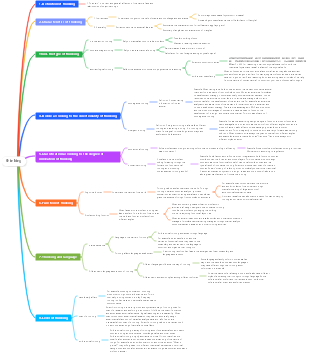
This is a mind map about thinking. Thinking is the general, indirect and dynamic reflection of objective things by the human brain through processes such as perception, memory, imagination, association, reasoning, etc. It has the characteristics of generality, indirectness, initiative and sociality.
Edited at 2024-11-09 13:52:36루미 : 영적 각성의 10 차원. 당신이 자신을 찾는 것을 멈출 때, 당신은 당신이 찾고있는 것이 당신을 찾고 있기 때문에 우주 전체를 찾을 것입니다. 당신이 매일 인내하는 것은 당신의 영의 깊이의 문을 열 수 있습니다. 침묵 속에서 나는 비밀 영역으로 미끄러 져 내 주변의 마법을 관찰하기 위해 모든 것을 즐겼으며 어떤 소음도 만들지 않았습니다. 날개로 태어 났을 때 왜 기어 다니는 것을 좋아합니까? 영혼은 그 자체의 귀를 가지고 있으며 마음이 이해할 수없는 것들을들을 수 있습니다. 모든 것에 대한 답을 내면으로 찾으십시오. 우주의 모든 것이 당신 안에 있습니다. 연인들은 어딘가에서 만나지 않으며이 세상에는 이별이 없습니다. 상처는 빛이 당신의 마음에 들어가는 곳입니다.
만성 심부전은 심박수 속도의 문제가 아닙니다! 심근 수축 및 이완기 기능의 감소로 인해 심장 출력이 불충분하여 폐 순환에서 정체와 체계 순환의 혼잡을 유발합니다. 원인, 유도에서 보상 메커니즘에 이르기까지, 심부전의 병리 생리 학적 과정은 복잡하고 다양합니다. 부종을 제어하고, 심장의 전선 및 애프터로드를 줄이고, 심장 안락함 기능을 향상시키고, 기본 원인을 예방하고 치료함으로써, 우리는이 도전에 효과적으로 대응할 수 있습니다. 심부전의 메커니즘과 임상 증상을 이해하고 마스터 링 방지 및 치료 전략을 이해함으로써 우리는 심장 건강을 더 잘 보호 할 수 있습니다.
허혈-재관류 손상은 기관이나 조직이 혈액 공급을 회복시킨 후 세포 기능 및 대사 장애 및 구조적 손상이 악화 될 것이라는 현상입니다. 주요 메커니즘에는 증가 된 자유 라디칼 생성, 칼슘 과부하 및 미세 혈관 및 백혈구의 역할이 포함됩니다. 심장과 뇌는 흔한 손상 기관이며 심근 대사 및 초 구조적 변화, 심장 기능 감소 등으로 나타납니다. 예방 및 제어 조치에는 자유 라디칼 제거, 칼슘 과부하 감소, 신진 대사 개선 및 저 나트륨, 저온, 저압 등과 같은 재관류 조건을 제어하는 것이 포함됩니다. 이러한 메커니즘을 이해하면 효과적인 치료 옵션을 개발하고 허혈성 손상을 완화시키는 데 도움이 될 수 있습니다.
루미 : 영적 각성의 10 차원. 당신이 자신을 찾는 것을 멈출 때, 당신은 당신이 찾고있는 것이 당신을 찾고 있기 때문에 우주 전체를 찾을 것입니다. 당신이 매일 인내하는 것은 당신의 영의 깊이의 문을 열 수 있습니다. 침묵 속에서 나는 비밀 영역으로 미끄러 져 내 주변의 마법을 관찰하기 위해 모든 것을 즐겼으며 어떤 소음도 만들지 않았습니다. 날개로 태어 났을 때 왜 기어 다니는 것을 좋아합니까? 영혼은 그 자체의 귀를 가지고 있으며 마음이 이해할 수없는 것들을들을 수 있습니다. 모든 것에 대한 답을 내면으로 찾으십시오. 우주의 모든 것이 당신 안에 있습니다. 연인들은 어딘가에서 만나지 않으며이 세상에는 이별이 없습니다. 상처는 빛이 당신의 마음에 들어가는 곳입니다.
만성 심부전은 심박수 속도의 문제가 아닙니다! 심근 수축 및 이완기 기능의 감소로 인해 심장 출력이 불충분하여 폐 순환에서 정체와 체계 순환의 혼잡을 유발합니다. 원인, 유도에서 보상 메커니즘에 이르기까지, 심부전의 병리 생리 학적 과정은 복잡하고 다양합니다. 부종을 제어하고, 심장의 전선 및 애프터로드를 줄이고, 심장 안락함 기능을 향상시키고, 기본 원인을 예방하고 치료함으로써, 우리는이 도전에 효과적으로 대응할 수 있습니다. 심부전의 메커니즘과 임상 증상을 이해하고 마스터 링 방지 및 치료 전략을 이해함으로써 우리는 심장 건강을 더 잘 보호 할 수 있습니다.
허혈-재관류 손상은 기관이나 조직이 혈액 공급을 회복시킨 후 세포 기능 및 대사 장애 및 구조적 손상이 악화 될 것이라는 현상입니다. 주요 메커니즘에는 증가 된 자유 라디칼 생성, 칼슘 과부하 및 미세 혈관 및 백혈구의 역할이 포함됩니다. 심장과 뇌는 흔한 손상 기관이며 심근 대사 및 초 구조적 변화, 심장 기능 감소 등으로 나타납니다. 예방 및 제어 조치에는 자유 라디칼 제거, 칼슘 과부하 감소, 신진 대사 개선 및 저 나트륨, 저온, 저압 등과 같은 재관류 조건을 제어하는 것이 포함됩니다. 이러한 메커니즘을 이해하면 효과적인 치료 옵션을 개발하고 허혈성 손상을 완화시키는 데 도움이 될 수 있습니다.
thinking
1. Definition of thinking
1. The brain’s indirect and general reflection of the nature, laws and relationships of objective things
2. Characteristics of thinking
1. Indirectness
Understand things with the help of media and knowledge and experience
Doctor diagnoses disease (symptom → disease)
Archaeologists speculate on ancient life (artifacts → lifestyle)
2. Generality
Extract common and essential features
Summarize the characteristics of birds (feathers, egg laying, etc.)
Summary of angles and characteristics of triangles
3. Types of thinking
intuitive action thinking
Rely on practical actions to solve problems
Toddlers building blocks
Mechanic repairing machine question
concrete image thinking
Rely on representational thinking
Painter creates (has a picture in his mind)
Calculation for kids (imagine adding physical objects)
abstract logical thinking
Reflect the essence with concepts, judgments and reasoning
Scientists construct theories
When scientists study physical problems, they propose concepts (such as force, acceleration, etc.) through the observation of various physical phenomena, and then make judgments based on these concepts (such as force is proportional to acceleration), and use reasoning (such as according to Newton's first The second law F = ma (carry out reasoning under various physical scenarios) to construct a theoretical system and reveal the laws of the physical world.
philosopher speculating
When philosophers think about ethical and moral issues, they also use abstract concepts (such as good, evil, etc.) to make judgments (such as whether a certain behavior is good or evil) and reasoning (such as deriving basic principles of morality from the nature of human nature). to construct your own philosophical thoughts.
4. Divide according to the directionality of thinking
convergence thinking
Definition: Concentrating information to find an answer
Example: When taking a multiple-choice question in an exam, choose the answer that best fits the question from multiple options. When an enterprise formulates its development strategy, it comprehensively considers market demand, its own resources, competitors and other factors to arrive at a strategic plan that is most suitable for the development of the enterprise. For example, an enterprise analyzes the characteristics of the demand for smartphones in the market and its own development strategy. The resource advantages in R&D and production and the product strategies of competitors have decided to focus on the development of the high-end smartphone market. This is the application of convergence thinking.
divergent thinking
Definition: Divergent thinking is also called different thinking and radiating thinking. It is thinking that starts from a goal, thinks along various ways, and explores multiple answers.
Example: In creative advertising design, designers focus on a product (such as a new beverage) and think about creative points from different angles, such as the product's taste, health effects, unique packaging, suitable consumption scenarios, etc. Think divergently to come up with a variety of creative advertising solutions. When students write essays, they can conceive from different angles and examples around a theme (such as "friendship"), and write essays with different styles. question
5. Classification according to the degree of innovation of thinking
conventional thinking
Solve problems according to existing solutions and procedures (high efficiency, weak innovation}
Example: Students solve problems according to routines Workers work according to regulations
innovative thinking
Novel and unique problem solving (breaking through the limitations of conventional thinking and producing unprecedented thinking results)
Example: Apple launched the iPhone, which integrates multiple functions such as mobile phones, the Internet, and music players. This innovative product design concept breaks the functional model of traditional mobile phones and is a typical result of innovative thinking. Scientists propose new scientific theories, such as Einstein's theory of relativity, which completely subverts the traditional Newtonian mechanics system in the high-speed and microscopic fields, and is also a great manifestation of innovative thinking.
6. Function of thinking
Cognitive function
Understand the nature of the world
Thinking helps people understand the world. Through thinking operations such as analysis, synthesis, comparison, abstraction, and generalization, people can grasp the essence of things from complex phenomena.
For example, scientists understand the structure and evolution laws of the universe through mental processing of large amounts of astronomical observation data;
Historians reveal the development process of human society by thinking about various historical materials.
Problem solving function
When faced with a problem, thinking can lead people to find solutions. It can break the mold and look at problems from different angles.
When encountering space utilization problems in architectural design, designers use innovative thinking to solve the problem by changing the building structure, adjusting functional layout, etc.;
When an enterprise encounters a sales bottleneck in market competition, managers formulate new marketing strategies through market analysis, consumer demand research and other thinking activities.
7. Thinking and language
interdependence
Language is the carrier of thinking
Philosophical thinking expressed through language
For example, when people think about a certain philosophical issue, they need to use vocabulary and sentences in the language to construct and organize their thoughts.
Thinking affects language development
New thinking results often lead to the emergence of new vocabulary and language expressions
Differences in language expression of thinking
Different languages influence the way of thinking
Some languages classify colors in more detailed ways, and the people who speak such languages may have different cognitive thinking about colors than other people.
Differences in expression styles among different cultures
Under the same cultural background, people also have different styles of expressing their thoughts through language. Some cultures prefer implicit and indirect expression, while other cultures prefer direct and explicit expression.
8. Level of thinking
handle daily affairs
For example: shopping comparison, choosing products with high cost performance, etc. This is how daily thinking comes into play. Everyday thinking is often based on personal experience and common sense.
scientific thinking
Scientific thinking is a more rigorous and systematic way of thinking, used for scientific research and exploring the unknown. It follows the scientific method and emphasizes empirical evidence, logical reasoning and repeatability. When scientists conduct experimental research, they need to accurately design experimental plans, control variables, analyze data, etc., all of which are inseparable from scientific thinking. Scientific thinking helps promote mankind's in-depth understanding of natural and social laws.
philosophical thinking
Philosophical thinking is a way of thinking about fundamental issues in depth, such as thinking about existence, knowledge, value and other issues. Philosophical thinking is highly abstract and critical. It is not satisfied with superficial phenomena, but pursues a deep understanding of the nature of things. For example, when philosophers think about the question "What is justice?", they will dig deep into different theoretical perspectives, historical backgrounds and social phenomena in an attempt to give a comprehensive and profound answer.