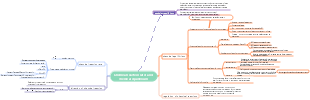
MindMap Gallery Chemical Kinetics (Chapter 5)
This is a mind map about chemical kinetics (Chapter 5). The main content includes: Rates of Chemical Reaction.
Edited at 2024-11-06 19:39:53루미 : 영적 각성의 10 차원. 당신이 자신을 찾는 것을 멈출 때, 당신은 당신이 찾고있는 것이 당신을 찾고 있기 때문에 우주 전체를 찾을 것입니다. 당신이 매일 인내하는 것은 당신의 영의 깊이의 문을 열 수 있습니다. 침묵 속에서 나는 비밀 영역으로 미끄러 져 내 주변의 마법을 관찰하기 위해 모든 것을 즐겼으며 어떤 소음도 만들지 않았습니다. 날개로 태어 났을 때 왜 기어 다니는 것을 좋아합니까? 영혼은 그 자체의 귀를 가지고 있으며 마음이 이해할 수없는 것들을들을 수 있습니다. 모든 것에 대한 답을 내면으로 찾으십시오. 우주의 모든 것이 당신 안에 있습니다. 연인들은 어딘가에서 만나지 않으며이 세상에는 이별이 없습니다. 상처는 빛이 당신의 마음에 들어가는 곳입니다.
만성 심부전은 심박수 속도의 문제가 아닙니다! 심근 수축 및 이완기 기능의 감소로 인해 심장 출력이 불충분하여 폐 순환에서 정체와 체계 순환의 혼잡을 유발합니다. 원인, 유도에서 보상 메커니즘에 이르기까지, 심부전의 병리 생리 학적 과정은 복잡하고 다양합니다. 부종을 제어하고, 심장의 전선 및 애프터로드를 줄이고, 심장 안락함 기능을 향상시키고, 기본 원인을 예방하고 치료함으로써, 우리는이 도전에 효과적으로 대응할 수 있습니다. 심부전의 메커니즘과 임상 증상을 이해하고 마스터 링 방지 및 치료 전략을 이해함으로써 우리는 심장 건강을 더 잘 보호 할 수 있습니다.
허혈-재관류 손상은 기관이나 조직이 혈액 공급을 회복시킨 후 세포 기능 및 대사 장애 및 구조적 손상이 악화 될 것이라는 현상입니다. 주요 메커니즘에는 증가 된 자유 라디칼 생성, 칼슘 과부하 및 미세 혈관 및 백혈구의 역할이 포함됩니다. 심장과 뇌는 흔한 손상 기관이며 심근 대사 및 초 구조적 변화, 심장 기능 감소 등으로 나타납니다. 예방 및 제어 조치에는 자유 라디칼 제거, 칼슘 과부하 감소, 신진 대사 개선 및 저 나트륨, 저온, 저압 등과 같은 재관류 조건을 제어하는 것이 포함됩니다. 이러한 메커니즘을 이해하면 효과적인 치료 옵션을 개발하고 허혈성 손상을 완화시키는 데 도움이 될 수 있습니다.
루미 : 영적 각성의 10 차원. 당신이 자신을 찾는 것을 멈출 때, 당신은 당신이 찾고있는 것이 당신을 찾고 있기 때문에 우주 전체를 찾을 것입니다. 당신이 매일 인내하는 것은 당신의 영의 깊이의 문을 열 수 있습니다. 침묵 속에서 나는 비밀 영역으로 미끄러 져 내 주변의 마법을 관찰하기 위해 모든 것을 즐겼으며 어떤 소음도 만들지 않았습니다. 날개로 태어 났을 때 왜 기어 다니는 것을 좋아합니까? 영혼은 그 자체의 귀를 가지고 있으며 마음이 이해할 수없는 것들을들을 수 있습니다. 모든 것에 대한 답을 내면으로 찾으십시오. 우주의 모든 것이 당신 안에 있습니다. 연인들은 어딘가에서 만나지 않으며이 세상에는 이별이 없습니다. 상처는 빛이 당신의 마음에 들어가는 곳입니다.
만성 심부전은 심박수 속도의 문제가 아닙니다! 심근 수축 및 이완기 기능의 감소로 인해 심장 출력이 불충분하여 폐 순환에서 정체와 체계 순환의 혼잡을 유발합니다. 원인, 유도에서 보상 메커니즘에 이르기까지, 심부전의 병리 생리 학적 과정은 복잡하고 다양합니다. 부종을 제어하고, 심장의 전선 및 애프터로드를 줄이고, 심장 안락함 기능을 향상시키고, 기본 원인을 예방하고 치료함으로써, 우리는이 도전에 효과적으로 대응할 수 있습니다. 심부전의 메커니즘과 임상 증상을 이해하고 마스터 링 방지 및 치료 전략을 이해함으로써 우리는 심장 건강을 더 잘 보호 할 수 있습니다.
허혈-재관류 손상은 기관이나 조직이 혈액 공급을 회복시킨 후 세포 기능 및 대사 장애 및 구조적 손상이 악화 될 것이라는 현상입니다. 주요 메커니즘에는 증가 된 자유 라디칼 생성, 칼슘 과부하 및 미세 혈관 및 백혈구의 역할이 포함됩니다. 심장과 뇌는 흔한 손상 기관이며 심근 대사 및 초 구조적 변화, 심장 기능 감소 등으로 나타납니다. 예방 및 제어 조치에는 자유 라디칼 제거, 칼슘 과부하 감소, 신진 대사 개선 및 저 나트륨, 저온, 저압 등과 같은 재관류 조건을 제어하는 것이 포함됩니다. 이러한 메커니즘을 이해하면 효과적인 치료 옵션을 개발하고 허혈성 손상을 완화시키는 데 도움이 될 수 있습니다.
Chemical Kinetics (Chapter 5)
Rates of Chemicals Reaction
5-1 Rates and Mechanisms of Chemicals Reactions
5-1.1 The Rate of Chemical Reaction
the decrease in concentration of a reactant
increase in concentration of a product in a unit of time.
units
average reaction rate
Instantaneous rate:
5-1.2 The Mechanisms of Chemical Reactions
Reaction Mechanisms
a description of the path that a reaction takes.
Overall reaction
A reaction was completed through several elementary reactions.
Elementary reaction:
A reaction can complete directly by only one step or reactants can convert into products.
unimolecular
bimolecular
termolecular
5-2 Theories of Reaction Rate
5-2.1 Collision Theory and Activation Energy
Contents of Collision Theory
⑴ reacting molecules must come so close that they collide.
⑵ not every collision between molecules creates products, only few collisions between reactant molecules will react.
⑶ enough energy; proper orientation
For a collision to result in reaction, the molecules must be properly oriented.
Collisions must occur with enough energy to break the bonds in the reactants so that new bonds can form in the products.
activation theory
•Activation molecules
is the molecule that has enough energy and can produce effective collision
activation energy (Ea):
The minimum energy of a collision that leads to a reaction.
Figure: As the activation energy of a reaction decreases, the number of molecules with at least this much energy increases, as shown by the yellow shaded areas.
5-2.2 The Transition StateTheory
Transition state theory (TST) (activated complex theory.)
reactants pass through high-energy transition states before forming products, they are associated in an unstable entity called an activated complex, then change into products.
5-3 Reaction Rates and Concentrations
5-3.1 The Rate Law
① when [A]=[B]=1mol·L-1 , v=k
② the greater the k , the faster the rate
③ m and n must be determined experimentally, in general, m and n are not equal to the stoichiometric coefficients a and b
5-3.2 Order of A Reaction
m is the order of the reaction with respect to A
n is the order of the reaction with respect to B.
The overall order of the reaction is the sum of m and n
• First-order reactions
• Second - order reactions
The initial concentrations of A and B are the same
• Zero-order reactions
5-4 Effect of Temperature on Reaction Rates
5-4.1 Rule of Thumb (Van ’ t Hoff Law)
5-4.2 The Arrhenius Equation
5-4.3 Application of Arrhenius Equation
5-5 Effect of Catalyst on Reaction Rates
• Catalyst:
is a substance that increases the rate of a chemical reaction without itself being consumed (changed).
The features of catalysts
• No change of mass and composition
• Selective
• Small amount can have big action
• Not only speed forward reaction but also speed reverse reaction (effect velocity, not effect equilibrium constant )
three types:
Homogeneous catalysis
Heterogeneous catalysis
Enzyme Catalysis
Gentle
Highly efficient
Highly selective (special)
The characteristics of zero-order reactions:
1. A graph of c against t is a straight line
2. The rate constant, k, has units of [c][t]-1;
3. The half-life of a zero-order reaction is t1/2=0.5c0 /k.
The characteristics of second- order reactions:
1. A graph of 1/c against time is a straight line, the slope of which gives the rate constant for the reaction;
2. The rate constant, k, has units of [c]-1[t]-1;
3. The half-life of 2th-order reactions
The characteristics of first-order reactions:
1. A plot of logc versus t (time) gives a straight line with a slope of -k/2.303
2. The rate constant, k, has units of [time]-1 .
3. half-life (t1/2):
effective collision: a collision that leads to a reaction