MindMap Gallery epistemology
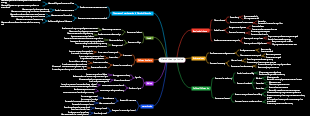
This is a mind map about epistemology. The main contents include: truth and value, understanding, and practice. Epistemology mainly studies the nature, origin, structure, scope and development rules of human cognition.
Edited at 2024-11-02 23:29:14Rumi: 10 dimensiones del despertar espiritual. Cuando dejes de buscarte, encontrarás todo el universo porque lo que estás buscando también te está buscando. Cualquier cosa que haga perseverar todos los días puede abrir una puerta a las profundidades de su espíritu. En silencio, me metí en el reino secreto, y disfruté todo para observar la magia que me rodea y no hice ningún ruido. ¿Por qué te gusta gatear cuando naces con alas? El alma tiene sus propios oídos y puede escuchar cosas que la mente no puede entender. Busque hacia adentro para la respuesta a todo, todo en el universo está en ti. Los amantes no terminan reuniéndose en algún lugar, y no hay separación en este mundo. Una herida es donde la luz entra en tu corazón.
¡La insuficiencia cardíaca crónica no es solo un problema de la velocidad de la frecuencia cardíaca! Es causado por la disminución de la contracción miocárdica y la función diastólica, lo que conduce al gasto cardíaco insuficiente, lo que a su vez causa congestión en la circulación pulmonar y la congestión en la circulación sistémica. Desde causas, inducción a mecanismos de compensación, los procesos fisiopatológicos de insuficiencia cardíaca son complejos y diversos. Al controlar el edema, reducir el frente y la poscarga del corazón, mejorar la función de comodidad cardíaca y prevenir y tratar causas básicas, podemos responder efectivamente a este desafío. Solo al comprender los mecanismos y las manifestaciones clínicas de la insuficiencia cardíaca y el dominio de las estrategias de prevención y tratamiento podemos proteger mejor la salud del corazón.
La lesión por isquemia-reperfusión es un fenómeno que la función celular y los trastornos metabólicos y el daño estructural empeorarán después de que los órganos o tejidos restauren el suministro de sangre. Sus principales mecanismos incluyen una mayor generación de radicales libres, sobrecarga de calcio y el papel de los leucocitos microvasculares y. El corazón y el cerebro son órganos dañados comunes, manifestados como cambios en el metabolismo del miocardio y los cambios ultraestructurales, disminución de la función cardíaca, etc. Las medidas de prevención y control incluyen eliminar los radicales libres, reducir la sobrecarga de calcio, mejorar el metabolismo y controlar las condiciones de reperfusión, como baja sodio, baja temperatura, baja presión, etc. Comprender estos mecanismos puede ayudar a desarrollar opciones de tratamiento efectivas y aliviar las lesiones isquémicas.
Rumi: 10 dimensiones del despertar espiritual. Cuando dejes de buscarte, encontrarás todo el universo porque lo que estás buscando también te está buscando. Cualquier cosa que haga perseverar todos los días puede abrir una puerta a las profundidades de su espíritu. En silencio, me metí en el reino secreto, y disfruté todo para observar la magia que me rodea y no hice ningún ruido. ¿Por qué te gusta gatear cuando naces con alas? El alma tiene sus propios oídos y puede escuchar cosas que la mente no puede entender. Busque hacia adentro para la respuesta a todo, todo en el universo está en ti. Los amantes no terminan reuniéndose en algún lugar, y no hay separación en este mundo. Una herida es donde la luz entra en tu corazón.
¡La insuficiencia cardíaca crónica no es solo un problema de la velocidad de la frecuencia cardíaca! Es causado por la disminución de la contracción miocárdica y la función diastólica, lo que conduce al gasto cardíaco insuficiente, lo que a su vez causa congestión en la circulación pulmonar y la congestión en la circulación sistémica. Desde causas, inducción a mecanismos de compensación, los procesos fisiopatológicos de insuficiencia cardíaca son complejos y diversos. Al controlar el edema, reducir el frente y la poscarga del corazón, mejorar la función de comodidad cardíaca y prevenir y tratar causas básicas, podemos responder efectivamente a este desafío. Solo al comprender los mecanismos y las manifestaciones clínicas de la insuficiencia cardíaca y el dominio de las estrategias de prevención y tratamiento podemos proteger mejor la salud del corazón.
La lesión por isquemia-reperfusión es un fenómeno que la función celular y los trastornos metabólicos y el daño estructural empeorarán después de que los órganos o tejidos restauren el suministro de sangre. Sus principales mecanismos incluyen una mayor generación de radicales libres, sobrecarga de calcio y el papel de los leucocitos microvasculares y. El corazón y el cerebro son órganos dañados comunes, manifestados como cambios en el metabolismo del miocardio y los cambios ultraestructurales, disminución de la función cardíaca, etc. Las medidas de prevención y control incluyen eliminar los radicales libres, reducir la sobrecarga de calcio, mejorar el metabolismo y controlar las condiciones de reperfusión, como baja sodio, baja temperatura, baja presión, etc. Comprender estos mecanismos puede ayudar a desarrollar opciones de tratamiento efectivas y aliviar las lesiones isquémicas.
Theory
practice
The essence and basic characteristics of practice
Essence: Practice is a social material activity in which human beings actively transform the world.
Basic features: ① Objective reality (= direct reality): Practice has the function of turning matter in the human brain into real objects ② Conscious initiative: Practice is directed by the human brain/consciousness, embodies the subject’s purpose, will and creativity, and is different from the instinctive activities of animals ③ Social historicity: Different historical stages have different practical connotations
Basic institutions and forms of practice
The subject, object and intermediary of practice are the three basic elements of practical activities, and the organic unity of the three constitutes the basic structure of practice (Practice acts on objects through intermediaries)
The interactive relationship between the subject and object of practice: ①Reflect it-understand the relationship ② Transform it--practical relationship (the most fundamental relationship) ③ Whether it is useful--value relationship
Subject objectification and object subjectification: ① Subject objectification: The subject loads its own needs on the object, transforms the object, and causes the object to change. The key point is that "the object has changed" ② Subjectification of the object: The object merges into the subject and becomes part of the subject, causing the subject's ability to change. The key point is that ‘the subject has changed’
Basic types of practice forms: ① Material production practice (labor); ② Social and political practice (dealing with relationships between people); ③ Scientific and cultural practice (exploring unknown areas)
The decisive role of practice in understanding
Practice is the basis of cognition, and practice plays a decisive role in cognition activities. "The practical point of view is the first and basic point of view of the epistemology of dialectical materialism."
The decisive role of practice in understanding is reflected in the following four aspects: First, practice is the source of understanding Second, practice is the driving force for cognitive development Third, practice is the purpose of understanding Fourth, practice is the only criterion for testing the truth of knowledge
know
the nature of knowledge
Materialist theory of active reflection: The essence of cognition is the active reflection of the subject on the object based on practice (There are also idealistic transcendentalism and old materialist intuitive reflection theory, which are wrong)
process of understanding (two leaps)
From practice to knowledge (a leap from perceptual to rational knowledge): The process of understanding is first of all the process from practice to understanding. This process is mainly manifested in the active leap of cognitive activities from perceptual knowledge to rational knowledge on the basis of practice. This is the first leap in understanding movement
From understanding to practice (the leap from rational understanding to practice): From understanding to practice is "the second stage of the understanding process, that is, the stage from spirit to matter, from thought to existence." This is the second active leap in the process of understanding, and it is a more important leap in the process of understanding. Its necessity and importance lies in that, on the one hand, the purpose of understanding the world is to transform the world, and there is no other purpose; on the other hand, the truth of understanding can only be tested and developed in practice.
Influencing factors in the cognitive process (rational factors and irrational factors): Rational factors: refers to people's rational intuition, rational thinking and other abilities. Its role in cognitive activities mainly includes guidance, explanation and prediction. Irrational factors: mainly refer to the emotions and will of the cognitive subject. Irrational factors activate, drive and control people's cognitive abilities and cognitive activities.
Two major rules of understanding (Repeated and infinite)
Repeatability of understanding: People's understanding of a complex thing often needs to be completed through many iterations of perceptual understanding, rational understanding, and then rational understanding of practice.
The infinity of knowledge: Regarding the development process of things, human understanding is never-ending and infinitely developed. It is manifested as an infinite cycle of "practice, understanding, practice, and understanding again", a never-ending process that continues to move from the primary stage to the advanced stage. forward motion
Practice and understanding are the unity of concrete history
Concrete unity means that subjective understanding must be consistent with objective practice under a certain time, place, and conditions. It is concrete, not abstract. The unity of history means that subjective understanding must be consistent with the objective practice of a specific stage of historical development.
truth and value
truth and its properties
Truth is people’s correct reflection of objective things and their laws
Truth is objective, absolute and relativistic
The absoluteness and relativity of truth and their dialectical relationship: The absoluteness of truth: refers to the certainty of the subjective and objective unity of truth and the infinity of development The relativity of truth: refers to the fact that people’s correct understanding of objective things, their nature and development laws is always limited and imperfect under certain conditions. Relationship: interdependent, mutually inclusive Interdependence: From the duality of truth, the absoluteness and relativity of truth are interdependent. Any truth is both absolute and relative. Mutual inclusion: The absoluteness and relativity of truth are mutually inclusive. There is relativity in the absolute, and there is absoluteness in the relative. The absoluteness of truth is expressed through the relativity of truth. The relativity of any truth contains particles of the absoluteness of truth. The law of the development of truth: Any understanding of truth is a link in the process of transformation from the relativity of truth to the absoluteness of truth. It is not only the end point reached by past practice and understanding, but also the starting point for further progress towards the absoluteness of truth.
The interdependence, mutual struggle and mutual transformation between truth and error are an important driving force for the development of truth and an important aspect of the infinite development process of truth.
test of truth
Practice is the only criterion for testing truth Practice, as the standard for testing the truth of knowledge, is both certain and uncertain. It is the unity of certainty and uncertainty.
value
Value is a philosophical category that reflects the meaningful relationship between the subject and the object. It is the significance of the object to the life and activities of individuals, groups and even the entire society.
The standard of truth in practice means that in practice people must follow the truth that correctly reflects the nature and laws of objective things. The value scale of practice means that in practice, people understand and transform the world according to their own scale and needs. Any successful practice is the unity of the scale of truth and the scale of value, the unity of regularity and purpose.
The dialectical unity of truth and value in practice: On the one hand, the scale of value must be based on truth; on the other hand, the internal scale of human needs drives people to constantly discover new truths. Whether the scale of truth and the scale of value have reached a concrete and historical unity must be verified through practice.