 Wondershare EdrawMind
MindMap Gallery Pathophysiology—ischemic-reperfusion injury
- 10
Pathophysiology—ischemic-reperfusion injury
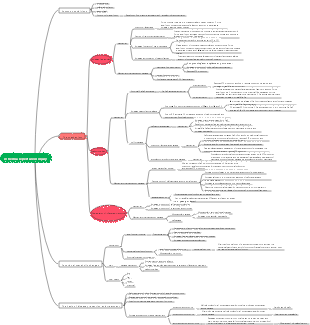
This is a mind map about ischemic-reperfusion injury. The main contents include: 3. Characteristics, 4. Related pathological processes (this injury can occur), 2. Related concepts, 1. Definition.
Edited at 2024-10-31 21:33:36
- Human Resources Three-Pillar Annual Work Plan
This is a mind map about the annual work plan of the three pillars of human resources. The main contents include: strategic human resources planning, talent recruitment and allocation, employee performance management, employee training and development, employee relationships and communication, employee welfare and care, human resources information system construction, regulatory compliance and risk management, and organizational culture construction.
- Diagnosis and treatment of acute cerebral hemorrhage in patients with hemodialysis
This is a mind map for the diagnosis and treatment of acute cerebral hemorrhage in patients with hemodialysis. The annual incidence of acute cerebral hemorrhage in patients with hemodialysis is (3.0~10.3)/1000, and the main cause is hypertension. Compared with non-dialysis patients, the most common bleeding site is the basal ganglia area, accounting for 50% to 80%; but the bleeding volume is large and the prognosis is poor, and the mortality rate is 27% to 83%. Especially for patients with hematoma >50ml, hematoma enlarged or ventricular hemorrhage on the second day after onset, the prognosis is very poor.
- Comprehensive literacy of information technology
The logic is clear and the content is rich, covering many aspects of the information technology field. Provides a clear framework and guidance for learning and improving information technology capabilities.
Pathophysiology—ischemic-reperfusion injury
- Human Resources Three-Pillar Annual Work Plan
This is a mind map about the annual work plan of the three pillars of human resources. The main contents include: strategic human resources planning, talent recruitment and allocation, employee performance management, employee training and development, employee relationships and communication, employee welfare and care, human resources information system construction, regulatory compliance and risk management, and organizational culture construction.
- Diagnosis and treatment of acute cerebral hemorrhage in patients with hemodialysis
This is a mind map for the diagnosis and treatment of acute cerebral hemorrhage in patients with hemodialysis. The annual incidence of acute cerebral hemorrhage in patients with hemodialysis is (3.0~10.3)/1000, and the main cause is hypertension. Compared with non-dialysis patients, the most common bleeding site is the basal ganglia area, accounting for 50% to 80%; but the bleeding volume is large and the prognosis is poor, and the mortality rate is 27% to 83%. Especially for patients with hematoma >50ml, hematoma enlarged or ventricular hemorrhage on the second day after onset, the prognosis is very poor.
- Comprehensive literacy of information technology
The logic is clear and the content is rich, covering many aspects of the information technology field. Provides a clear framework and guidance for learning and improving information technology capabilities.
- Recommended to you
- Outline


Overview of ischemic-reperfusion injury
1. Definition
Restoring blood perfusion and oxygen supply to some ischemic tissues and organs will actually aggravate tissue damage. This phenomenon is called ischemia-reperfusion injury (IRI).
2. Related concepts
Ischemic Injury
Due to various reasons, tissue blood perfusion is reduced and cells are damaged.
3. Characteristics
Ischemia-reperfusion ≠ ischemia-reperfusion injury
Not all ischemic organs will necessarily undergo ischemia-reperfusion injury after blood flow is restored.
4. Related pathological processes (this injury may occur)
myocardial infarction
ischemic stroke
circulatory arrest
sleep apnea
…
Causes and influencing factors of ischemic-reperfusion injury
1. Common causes
Restore blood supply to tissues and organs after ischemia
Unblocking microcirculation during shock
Replantation of severed limb
organ transplant
Heart, lung and brain resuscitation after cardiac arrest
Applications of certain medical technologies
Thrombolytic therapy
coronary artery bypass grafting
percutaneous coronary intervention
under extracorporeal circulation
cardiac surgery
ECMO
2. Influencing factors
ischemia time
Reperfusion injury is not likely to occur if the ischemia time is too short or too long (time window)
Reversible damage turns into irreversible damage over time
The ischemia time required for reperfusion injury to occur in different tissues and organs is different.
Coronary artery<liver<kidney small intestine<skeletal muscle
The ischemia time required for reperfusion injury in different animals is also different.
small animals<large animals
collateral circulation
People with easy formation of collateral circulation are less likely to have IRI
aerobic level
People with high oxygen demand (organs: heart, brain) are prone to IRI
Conditions for reperfusion
Conditions to reduce reperfusion injury
5 low 2 high
5 low (lower)
perfusion speed
pressure
temperature
Physics 3 Fantasy God
pH
Ca2, Na content
2 high (increase appropriately)
K content
Mg2 content
The occurrence and development mechanism of ischemic-reperfusion injury
2. Calcium overload
Background knowledge
Homeostatic regulation of intracellular Ca2
calcium homeostasis
definition
Under normal circumstances, cells maintain a huge concentration gradient of intracellular and extracellular Ca2 through a series of transport mechanisms to maintain a low calcium state within the cell, which is called calcium homeostasis.
Maintain the main mechanism
Low permeability of cell membrane to Ca2
Calcium forms a reversible complex with special ligands
cell membrane bound calcium
cytoplasm bound calcium
The cell membrane calcium pump (Ca2-Mg2-ATPase) actively transports Ca2 to the outside of the cell against the electrochemical concentration.
Cytosolic Ca2 is stored in the endoplasmic reticulum and mitochondria through the Ca2 pump and Na-Ca2 exchange on the organelle membrane.
Transport cytosolic Ca2 to the outside of the cell through cell membrane Na-Ca2 exchange
definition
When various reasons cause abnormalities in the cellular Ca2 transport mechanism and increase intracellular Ca2 content, cell structure damage and functional metabolic disorders will result.
3 mechanisms by which ischemia-reperfusion causes calcium overload
Mainly occurs during the reperfusion period, mainly due to increased calcium influx rather than decreased calcium outflow.
Abnormal Na-Ca2 exchange (major pathway for calcium overload)
Na -Ca2 exchange protein (Na /Ca2 exchange protein)
definition
Is one of the cell membrane calcium transport proteins
Function
Bidirectional transport of Na and Ca2 inside and outside the cell driven by transmembrane Na and Ca2 gradients and membrane potential
Features
The exchange ratio is 3Na:1Ca2
pathophysiological basis
Under physiological conditions: forward transport
ROCC
Receptor-operated calcium channel
VGCC
Voltage-Gated Calcium Channel
SOCC
store-operated calcium channel
Under pathological conditions: reverse transport
Trigger condition
Intracellular Na significantly increased
Positive potential within the membrane
…
Related mechanisms
direct activation
High intracellular Na
indirect activation
High intracellular H
Key analysis:
Comparison of the relationship between intracellular and interstitial fluid H concentrations over time periods
ischemia
Both are equal and both are acidosis
early reperfusion
The H concentration in the interstitial fluid decreases rapidly, while the intracellular level remains temporarily high.
late reperfusion
Mechanisms causing calcium overload
protein kinase C
Promote H-Na exchange → thereby increasing Na-Ca2 exchange
Adrenaline receptor causes an overload of calcium in the cell
Key analysis:
Norepinephrine 2 receptors
alpha1 adrenergic receptor
Phospholipase C (PLC) pathway: 2 products
Inositol trisphosphate (IP3)
Sarcoplasmic reticulum releases Ca2
endogenous
Diacylglycerol (DAG)
external source
beta adrenergic receptor
Activate 2 calcium channels
receptor-gated calcium channel
L-type voltage-gated calcium channel
external source
Running in both directions
Increased ligands
Endogenous catecholamine release↑
Increased receptor density
Increased density of 2 receptors on cardiomyocytes
biofilm damage
Key analysis: membrane phospholipid degradation (phospholipase), free radical attack,...
Increased foreign import
Cell membrane damage 3 mechanisms
The normal structure of the cell membrane: the outer plate of the cell membrane and the outer glycocalyx are tightly connected by Ca2
Phospholipase (influenced by Ca)
free radicals
Out of memory
Mitochondria (the cell’s “calcium store”) membrane damage
endoplasmic reticulum membrane damage
4 mechanisms by which calcium overload causes damage to the body
Activate enzymes that should not be activated
acid oxygen membrane
acid
aggravate acidosis
acidosis
Follow-up A
aggravate acidosis
Ca2 ↑ → activation of certain ATPases → hydrolysis of high-energy phosphate → release of large amounts of H → aggravation of acidosis
able
energy metabolism disorder
2 mechanism
Increased ATP consumption
Intracellular Ca2 increases → mitochondria take up Ca2 and consume energy
Reduced ATP production
Ca2 entering the mitochondria combines with phosphate-containing compounds → forms insoluble calcium phosphate → interferes with oxidative phosphorylation → reduces ATP production
Follow-up A: Enhanced anaerobic metabolism → increased lactic acid production → acidosis
oxygen
Promote the generation of reactive oxygen species: there is a causal relationship between increased free radical production and calcium overload
2 mechanism: 2 enzymes are activated
calcium-dependent proteolytic enzyme
Phospholipase
Increased production of arachidonic acid (AA), which produces large amounts of H2O2 and OH through the action of cyclooxygenase
membrane
Decomposition of cell membrane and structural proteins
3 enzymes
3. Excessive activation of inflammatory response
Overview
Ischemia-reperfusion injury is often accompanied by acute inflammatory response
Trigger
Metabolite accumulation, cell necrosis (sterile) debris, etc.
Mainly involved cells
Neutrophils, macrophages, endothelial cells, etc.
Main pathological changes
Mainly manifested as sterile inflammatory reaction
Neutrophil adhesion, aggregation and infiltration into tissues
Review: Neutrophil recruitment, adhesion, and extravasation
The mechanism of excessive activation of inflammatory response caused by ischemia-reperfusion
2 mechanisms of increased leukocyte infiltration
Increased production of cell adhesion molecules
Related concepts
adhesion molecule
also known as
cell adhesion molecules
definition
Refers to a general term for a class of macromolecular substances synthesized by cells that can promote adhesion between cells and between cells and extracellular matrix.
Example
integrin
selectin
intercellular adhesion molecules
vascular cell adhesion molecule
…
Function
Maintain cell structure integrity
cell signal transduction
…
Performance
Within minutes after ischemia-reperfusion, vascular endothelial cells and leukocytes express a large number of adhesion molecules, such as increased expression of P-selectin, which causes leukocytes to slowly roll along the surface of endothelial cells and form unstable adhesion.
After 4 hours of reperfusion, integrin expression increased, and leukocytes and endothelial cells showed firm adhesion.
Increased production of chemokines and cytokines
Performance
During reperfusion injury, endothelial cells and leukocytes release inflammatory mediators with chemotactic effects, attracting a large number of leukocytes to penetrate the blood vessel wall and leak into the intercellular space, causing leukocyte adhesion and aggregation.
3 mechanisms by which inflammatory response causes damage to the body
Microvascular damage
Microvascular hemorrheological changes
normal situation
Blood cells flow in the center of blood vessels and have basically no contact with vascular endothelial cells, ensuring high-speed blood flow.
Ischemia-reperfusion injury
Neutrophils accumulate and adhere to vascular endothelial cells
platelet deposition
Red blood cells aggregate, causing no-reflow, aggravating tissue hypoxia
No-Reflow Phenomenon
definition
After blood perfusion is restored, the microvessels in the ischemic area are still not fully perfused.
reason
Microvascular spasm and blockage. After a certain period of ischemia, the deposition of platelets in the blood vessels increases by 2 times.
The accumulation of white blood cells in the no-reflow zone increases by 10 times, and it can be seen that the white blood cells are entrapped and block the capillaries.
significance
It is a special case of reperfusion injury. It is actually the continuation and superposition of ischemia. Ischemic cells are not reperfused with blood, but continue to be ischemic, which seriously hinders the recovery of ischemic tissue.
Increased microvascular permeability
Endothelial cell damage and gap enlargement
At the same time, certain inflammatory mediators released by leukocytes further increase permeability
Microvasoconstriction-diastolic dysfunction (smaller diameter of microvessels)
shrink
The vascular endothelium swells, and neutrophils and vascular endothelial cells are activated to release a large amount of vasoconstrictor substances (endothelin, angiotensin II)
diastole
Decreased synthesis and release of vasodilator substances [NO, prostacyclin (PGI2)]
Decreased sensitivity of vascular endothelial cells to both vasoconstrictor and dilation substances
In the early stage, intracellular Na plasma increases and ion pump dysfunction causes an increase in intracellular osmotic pressure and swelling of vascular endothelial cells.
Damage to surrounding tissue cells
Neutrophils can release a variety of proteases
Including serine protease-containing elastase (Elastase), collagenase (Collagenase) and gelatinase (Gelatinase), which degrade extracellular matrix components, etc.
Also attacks intact, undamaged cells
Phospholipase A2 is activated
Cell membrane phospholipids are degraded and arachidonic acid is released, leading to a cascade reaction and the production of many bioactive substances that aggravate tissue damage, such as leukotrienes and platelet activating factors → increased permeability of vascular endothelial cells and vasoconstriction → aggravated tissue damage
summary
1. Increase in free radicals
Background knowledge
Free Radical
definition
Refers to an atom, group of atoms or molecule with a single unpaired electron in the outer electron orbit
Features
Its chemical properties are very active and has strong oxidizing properties.
Divided into 2 categories
Oxygen free radical (OFR)
definition
A general term for free radicals formed from oxygen molecules
Example
superoxide anion
chemical formula
Features
Causes cytotoxic effects mainly through the production of H2O2 and OH·
hydroxyl radical
chemical formula
OH·
Features
The most active OFR is the most harmful to the body
nitric oxide free radical
chemical formula
NO·
other free radicals
Example
lipid free radicals
definition
Intermediate metabolites produced by the interaction between oxygen free radicals and polyunsaturated fatty acids
Example
Alkane radical
L·
Alkoxy radical
LO·
Alkoperoxyl radical
LOO·
Chlorine radical
Cl·
Methyl radical
CH3·
Features
"Double-edged sword"
profit
Under physiological conditions, low-level ROS promotes a variety of signaling pathways, including inflammatory signaling pathways, participating in cell proliferation and differentiation, etc.
Harmful
Under pathological conditions, excess ROS causes severe oxidative damage to biological macromolecules (such as proteins, lipids, and DNA).
metabolism
Generation of free radicals
main reaction
It is the basis for the production of other free radicals and reactive oxygen species
Gain 4 electrons and reduce to H2O
Hydroxyl radical OH·
Formation method
Under normal conditions
H2O2 generates OH very slowly
Haber-Weiss reaction
When free ferrous ions (haemochromatosis) or cuprous ions (Wilson's disease) increase in the body
OH·Generation acceleration
Fenton type Haber-Weiss reaction
Other reactions
enzymatic reaction
Aldehyde oxidase, xanthine oxidase, flavoproteins related to mitochondrial respiratory chain, etc.
non-enzymatic reaction
Ionizing radiation, oxidative decomposition of oxyhemoglobin, certain anti-cancer drugs, etc.
Free radical scavenging
scavenger
Antioxidants (small molecule free radical scavengers)
Fat-soluble free radical scavenger
VE, VA, etc.
subtopic
water soluble free radical scavenger
VC and glutathione, etc.
Clearance mechanism
Can provide electrons to reduce free radicals and scavenge free radicals
reducing agent
antioxidant enzymes
Superoxide dismutase (SOD)
Divided into 3 categories (according to the different metal prosthetic groups in SOD)
SOD1
Copper-zinc superoxide dismutase Cu/Zn-SOD
position
Mainly found in the cytoplasm of eukaryotic cells
Appearance
Blue-green
SOD2
Manganese superoxide dismutase Mn-SOD
position
Mainly found in mitochondria of prokaryotes and eukaryotes
Appearance
pink
SOD3
Iron superoxide dismutase Fe-SOD
position
Mainly found in prokaryotic cells
Appearance
Yellowish brown
Relevant reactions
Catalase (CAT)
Glutathione peroxidease (GSH-Px)
peroxidase
Reactive Oxygen Species (ROS)
definition
It refers to a type of oxygen-containing metabolic substances formed from oxygen and whose chemical properties are more active than ground state oxygen.
It is a highly active intermediate product that exists in the form of free radicals and non-free radicals.
composition
oxygen free radicals
reactive oxygenates
hydrogen peroxide
H2O2
singlet oxygen
ozone
O3
Detection principle
Mitosox (MitoTracker Red CMXRos)
definition
It is a special fluorescent probe that is sent to the mitochondria in the cell through ion exchange.
application
Commonly used to study mitochondrial function and reactive oxygen species levels
Redox balance
Performance
Under physiological conditions, the generation and removal of free radicals are in a dynamic balance
Oxidative stress
Performance
Under pathological conditions, if free radicals are generated excessively or the body's antioxidant capacity is insufficient, it can trigger oxidative stress and lead to cell damage.
4 mechanisms by which ischemia-reperfusion causes an increase in free radicals
Xiantunhuang'er
Wire
Mitochondrial damage
Key analysis:
The “central role” and “influence” of Ca2
Cytochrome oxidase system function
antioxidant enzyme activity
Pay attention to period and timeline analysis
During ischemia, reperfusion...
2 reasons for the increase in ROS
Increased generation
Membrane damage, protein structure and dysfunction, DNA fragmentation...
clear reduction
Antioxidant enzyme activity↓
swallow
Phagocyte accumulation and activation
Key analysis:
respiratory burst
also known as
oxygen burst
definition
The phenomenon that phagocytes rapidly increase their oxygen consumption in a short period of time
The reaction formula for the generation of oxygen free radicals catalyzed by NADPH oxidase and NADH oxidase
Gather first, then explode
Aggregate first (chemotaxis and infiltration into ischemic tissue)
Inflammatory mediator mediation, complement system activation and other mechanisms
Outbreak again
Intracellular NADPH/NADH oxidase system activates + O2 influx
yellow
Increased formation of xanthine oxidase
Background knowledge
The relationship between xanthine oxidase (XO) and xanthine dehydrogenase (XD)
specific mechanism
Key analysis:
Running in both directions
Increased substrate
As the partial pressure of oxygen decreases, ATP is sequentially degraded into ADP, AMP and hypoxanthine, leading to a large accumulation of hypoxanthine in ischemic tissue.
Increased number of enzymes
Xanthine oxidase catalyzes the 2-stage reaction
These two-step reactions both use molecular oxygen as the electron acceptor, thus producing a large amount of uric acid and H2O2
The relationship between Ca2 and enzyme function and activity
Son
Increased autooxidation of catecholamines
Ischemia-reperfusion is a stress response
"Double-edged sword"
profit
compensatory regulation
Disadvantages
Auto-oxidation produces a large amount of reactive oxygen species (ROS) under the action of monoamine oxidase
3 mechanisms by which increased free radicals cause damage to the body
membrane lipid peroxidation
Related concepts
Membrane lipid peroxidation reaction
definition
Interactions between free radicals and unsaturated fatty acids
result
Damage to membrane structure and dysfunction
Damage 3 Mechanisms
membrane itself
Damage to cell and organelle membrane structures
Damage to cell membrane structure
Cellular edema
calcium overload
Destruction of organelle membrane structure
lysosome
Rupture releases lysosomal enzymes, destroying cells
Mitochondria
Swelling, dysfunction, reduced ATP production
endoplasmic reticulum
Reduced Ca 2 -ATPase activity reduces Ca 2 uptake, leading to cellular calcium overload
membrane secondary
Increased production of biologically active substances
Prostaglandins (PG)
Thromboxane A2 (TXA2)
Leukotrienes (LT)
Reduced ATP production
Increased cellular energy metabolism disorders
protein function inhibition
direct inhibition
Free radicals act directly on proteins
Oxidizing protein sulfhydryl groups or amino acid residues, thereby damaging protein function
Such as: inhibition of ion channel protein or transporter function
indirect inhibition
Free radicals act on lipids
Cross-linking and polymerizing membrane lipids can inhibit the coupling of membrane receptors, G proteins and effectors, causing cell signal transduction dysfunction.
Nucleic acid damage and DNA strand breaks
Free radicals can hydroxylate nucleic acid bases and break DNA, causing chromosomal aberrations or cell death.
Ischemia-reperfusion injury (ischemic-reperfusion injury) functional metabolic changes
1. Myocardial ischemia-reperfusion injury
reperfusion arrhythmia
definition
Arrhythmias occurring during reperfusion of ischemic myocardium
Features
It often occurs in the early stage of reperfusion, and the incidence rate is as high as 50%-80%.
The number of ischemic myocardium is large, the degree is severe, the reperfusion speed is fast, and the number of functionally recoverable myocardial cells is high → the incidence rate is high
Mostly ventricular arrhythmias
Such as ventricular tachycardia and ventricular fibrillation, etc.
3 mechanisms of occurrence
Heterogeneity of action potential duration between reperfused myocardium
Difference in myocardial potential recovery → Uneven action potential duration → Enhanced myocardial excitation and reentry (main reason)
Calcium overload in reperfused cardiomyocytes causes transient depolarization of the action potential
Na-Ca2 exchange protein performs reverse transport → enters the action potential plateau phase, intracellular Ca2 increases and appears inward current → forms a short depolarization after the myocardial action potential → conduction slows down, inducing arrhythmia
Endogenous catecholamines increase during reperfusion
α/β receptors are excited, Ca2 enters cells →autonomousness↑, fibrillation threshold↓, electrolyte imbalance
myocardial systolic dysfunction
Reperfusion myocardial stunning
Is the main manifestation of cardiac dysfunction caused by IRI
definition
After the ischemic myocardium is restored to blood perfusion, the reperfused myocardium is in a state of reduced diastolic and systolic function for a long period of time, and it takes days or weeks to recover.
Features
This is reversible myocardial dysfunction
Distinguish and compare: myocardial infarction (both can cause a decrease in myocardial diastolic function)
mechanism
Free radical generation↑
calcium overload
Excessive activation of inflammatory response (microvascular obstruction-no-reflow phenomenon)
Microvascular obstruction
Accompanied by severe swelling, endothelial cell damage, intraluminal thrombosis, blood supply disorders, and reduced ATP synthesis → causing myocardial diastolic dysfunction.
Structural changes in myocardium
Performance
Loss of basement membrane and destruction of plasma membrane
Disruption of myofibrillar structure
mitochondrial damage
subendocardial hemorrhagic infarction
Features
The nature of the changes is basically the same as that of simple ischemic myocardium, but more serious.
2. Changes in cerebral ischemia-reperfusion injury
Changes in cellular metabolism during cerebral reperfusion injury
ATP↓, creatine phosphate↓, glucose↓, glycogen↓ in a short period of time after cerebral ischemia and hypoxia
brain structural changes
The most obvious changes are cerebral edema and brain cell necrosis
Cerebral edema is the result of membrane lipid peroxidation
The mechanism of brain injury caused by ischemia-reperfusion
Excitatory amino acid toxic effects - overactivation (glutamate and aspartate)
Main 3 mechanisms
Metabolic disorders
Increased presynaptic glutamate release exceeds postsynaptic receptor binding capacity, causing glutamate accumulation
AMPA receptor activation
Related concepts
AMPA receptor
α-amino-3-hydroxy-5-methyl-4-isoxazolepropionic acid receptor
α-Amino-3-hydroxy-5-methyl-4-isoxazolpropanoic acid, AMPA
Performance
Glutamic acid combines with AMPA, causing the opening of Na channels and the influx of Na and water, leading to acute swelling of neurons.
NMDA receptor activation
When glutamate combines with NMDA, it promotes Ca2 influx, leading to calcium overload.
Increased free radicals, reactive oxygen species and inflammatory mediators
Time-period analysis
Neuronal cells accumulate large amounts of metabolic substances
AMP, xanthine, hypoxanthine, etc.
Once oxygen supply improves
Unstable electron transfer leads to increased production of reactive oxygen species and other substances, causing cell damage.
Aggravate cerebral edema and intracranial hypertension
calcium overload
Protease
Degrade the cytoskeleton
Phospholipase
generate oxygen free radicals
Nitric oxide synthase (NOS)
NO generation
3. Changes in ischemia-reperfusion injury of other organs
A few additional points:
lung
Oxygen free radicals produced by xanthine oxidase are the main mediators of lung ischemia-reperfusion injury
liver
The injury during reperfusion is significantly worse than that during pure ischemia.
kidney
The injury during reperfusion is significantly worse than that during pure ischemia.
intestinal
Pathophysiological basis of prevention and treatment of ischemic-reperfusion injury
1. Restore blood flow as soon as possible and control reperfusion conditions
Minimize organ ischemia time and restore blood flow as soon as possible
Control reperfusion conditions
Conditions to reduce reperfusion injury
5 low 2 high
5 low (lower)
perfusion speed
Avoid a sharp increase in the amount of oxygen and fluid to produce a large amount of free radicals and cause tissue edema
pressure
Avoid a sharp increase in the amount of oxygen and fluid to produce a large amount of free radicals and cause tissue edema
temperature
Reduce the metabolic rate of ischemic tissue, reduce oxygen consumption and accumulation of metabolic products
Physics 3 Fantasy God
pH
Inhibit Na-H exchange...
Ca2, Na content
Reduce calcium overload and cell swelling
2 high (increase appropriately)
K content
Reduce massive potassium loss
Mg2 content
2. Remove and reduce free radicals and reduce excessive activation of inflammation
free radical scavenger
Antioxidants
antioxidant enzymes
SOD, CAT, etc.
Reduce free radical generation
Transferrin, Ceruloplasmin, etc. can reduce the generation of free radicals
Theoretical basis:
When free ferrous ions (haemochromatosis) or cuprous ions (Wilson's disease) increase in the body
OH·Generation acceleration
Fenton type Haber-Weiss reaction
Reduce inflammatory response
Glucocorticoids, etc.
3. Application of cytoprotective agents and inhibitors
Supplementing glycolytic substrates: protecting ischemic tissue
hexose phosphate
exogenous ATP
Phosphorylate cell membrane proteins, which is beneficial to the recovery of cell membrane function
cyclosporine A
Inhibits mitochondrial permeability transition pore opening
Abciximab-glycoprotein IIb/IIIa inhibitor
Block platelet-leukocyte aggregation
4. Activate endogenous protective mechanisms
Ischemic Precondition
discover history
In 1986, Murry CE et al. found in a dog model study that through 4 Sub-transient ischemia-reperfusion preconditioning (5'-5') can significantly reduce cardiac Myocardial infarction area caused by muscle ischemia-reperfusion injury (40'-3d)
definition
It refers to the phenomenon that the subsequent IRI can be significantly reduced after the tissues and organs undergo multiple cycles of short-term ischemia and reperfusion before long-term ischemia.
Ischemic Postcondition
discover history
In 2003, Zhao Zhiqing (zhao ZQ) and others used the dog's myocardial ischemia for the first time-the re-pouring model was launched after 1H, and then poured into 30s-ischemia 30s. After repeating 3 cycles, it was infused for 3h The area of myocardial infarction
definition
It refers to the phenomenon that tissues and organs undergo multiple cycles of brief ischemia and reperfusion after ischemia and before reperfusion, which can reduce subsequent reperfusion injury.
clinical application
Ischemic postconditioning is performed before reperfusion
Because the time to reperfusion can be determined, ischemic postconditioning is more clinically feasible than preconditioning.
Remote Ischemic Precondition (RIPC)
definition
It refers to repeated ischemia or hypoxia in non-vital organs other than the heart and brain, thereby improving the functional status of blood vessels and improving the ability of distant vital organs to tolerate severe ischemia or hypoxia.
Features
There is a spatial distance between the preadapted tissue and the protected IRI tissue.
clinical application
Noninvasive limb ischemic preconditioning has a myocardial protective effect in patients undergoing acute myocardial infarction or elective percutaneous coronary intervention