MindMap Gallery 7.3 Fracture structure
China University of Geosciences (Wuhan) 909 Geology, fracture structure is a structure formed by the fracture of rocks in the earth's crust due to force. It destroys the continuity and integrity of rock formations and is an important type of structure in the earth's crust.
Edited at 2024-10-30 10:29:38Chronische Herzinsuffizienz ist nicht nur ein Problem der Geschwindigkeit der Herzfrequenz! Es wird durch die Abnahme der Myokardkontraktion und der diastolischen Funktion verursacht, was zu unzureichendem Herzzeitvolumen führt, was wiederum Staus im Lungenzirkulation und Stau der systemischen Zirkulation verursacht. Aus den Ursachen sind die pathophysiologischen Prozesse der Herzinsuffizienz für Kompensationsmechanismen komplex und vielfältig. Durch die Kontrolle von Ödemen, die Reduzierung der Vorder- und Nachlast des Herzens, die Verbesserung der Herzkomfortfunktion und die Verhinderung und Behandlung grundlegender Ursachen können wir auf diese Herausforderung effektiv reagieren. Nur durch das Verständnis der Mechanismen und klinischen Manifestationen von Herzinsuffizienz und Beherrschung der Präventions- und Behandlungsstrategien können wir die Herzgesundheit besser schützen.
Ischämie-Reperfusionsverletzung ist ein Phänomen, dass sich die Zellfunktion und Stoffwechselstörungen und strukturelle Schäden verschlimmern, nachdem Organe oder Gewebe die Blutversorgung wiederhergestellt werden. Zu den Hauptmechanismen gehören eine erhöhte Erzeugung des freien Radikals, die Kalziumüberladung sowie die Rolle von mikrovaskulären und Leukozyten. Das Herz und das Gehirn sind häufige beschädigte Organe, die sich als Veränderungen des Myokardstoffwechsels und ultrastrukturelle Veränderungen, verringerte Herzfunktion usw. manifestieren usw. umfassen die Entfernung von freien Radikalen, die Verringerung der Kalziumüberlastung, die Verbesserung des Stoffwechsels und die Kontrolle von Reperfusionsbedingungen, z.
Stress ist ein unspezifischer Schutzmechanismus, der im Körper unter interner und externer Umweltstimulation auftritt, aber übermäßiger Stress kann zu internen Umweltstörungen und -krankheiten führen. Die Stressreaktion beinhaltet mehrere Systeme wie neuroendokrine, zelluläre und körperliche Flüssigkeiten, und seine Hauptmanifestationen umfassen emotionale Reaktionen, Veränderungen der kognitiven Fähigkeiten und Veränderungen des sozialen Verhaltens. Übermäßige Konzentration von Katecholamin ist einer der Hauptmechanismen des Stresses, die körperliche Erkrankungen wie Herz -Kreislauf -Erkrankungen, Stressgeschwüre und psychische Probleme wie traumatische Belastungsstörungen verursachen können. Das Verständnis des Stadiums und des Aufprallmechanismus von Stress kann dazu beitragen, Stress besser zu bewältigen und die körperliche und psychische Gesundheit aufrechtzuerhalten.
Chronische Herzinsuffizienz ist nicht nur ein Problem der Geschwindigkeit der Herzfrequenz! Es wird durch die Abnahme der Myokardkontraktion und der diastolischen Funktion verursacht, was zu unzureichendem Herzzeitvolumen führt, was wiederum Staus im Lungenzirkulation und Stau der systemischen Zirkulation verursacht. Aus den Ursachen sind die pathophysiologischen Prozesse der Herzinsuffizienz für Kompensationsmechanismen komplex und vielfältig. Durch die Kontrolle von Ödemen, die Reduzierung der Vorder- und Nachlast des Herzens, die Verbesserung der Herzkomfortfunktion und die Verhinderung und Behandlung grundlegender Ursachen können wir auf diese Herausforderung effektiv reagieren. Nur durch das Verständnis der Mechanismen und klinischen Manifestationen von Herzinsuffizienz und Beherrschung der Präventions- und Behandlungsstrategien können wir die Herzgesundheit besser schützen.
Ischämie-Reperfusionsverletzung ist ein Phänomen, dass sich die Zellfunktion und Stoffwechselstörungen und strukturelle Schäden verschlimmern, nachdem Organe oder Gewebe die Blutversorgung wiederhergestellt werden. Zu den Hauptmechanismen gehören eine erhöhte Erzeugung des freien Radikals, die Kalziumüberladung sowie die Rolle von mikrovaskulären und Leukozyten. Das Herz und das Gehirn sind häufige beschädigte Organe, die sich als Veränderungen des Myokardstoffwechsels und ultrastrukturelle Veränderungen, verringerte Herzfunktion usw. manifestieren usw. umfassen die Entfernung von freien Radikalen, die Verringerung der Kalziumüberlastung, die Verbesserung des Stoffwechsels und die Kontrolle von Reperfusionsbedingungen, z.
Stress ist ein unspezifischer Schutzmechanismus, der im Körper unter interner und externer Umweltstimulation auftritt, aber übermäßiger Stress kann zu internen Umweltstörungen und -krankheiten führen. Die Stressreaktion beinhaltet mehrere Systeme wie neuroendokrine, zelluläre und körperliche Flüssigkeiten, und seine Hauptmanifestationen umfassen emotionale Reaktionen, Veränderungen der kognitiven Fähigkeiten und Veränderungen des sozialen Verhaltens. Übermäßige Konzentration von Katecholamin ist einer der Hauptmechanismen des Stresses, die körperliche Erkrankungen wie Herz -Kreislauf -Erkrankungen, Stressgeschwüre und psychische Probleme wie traumatische Belastungsstörungen verursachen können. Das Verständnis des Stadiums und des Aufprallmechanismus von Stress kann dazu beitragen, Stress besser zu bewältigen und die körperliche und psychische Gesundheit aufrechtzuerhalten.
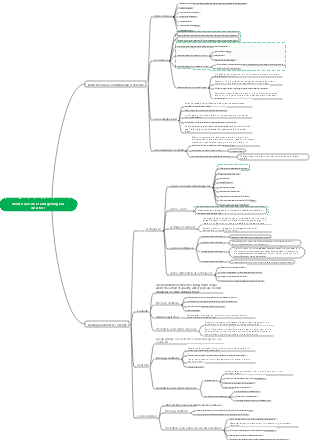
7.3 Fracture structure
joints
Refers to the fact that there is no significant displacement of the rocks on both sides of the fracture surface in the rock.
Classification of joints
Classification based on the geometric relationship between joints and related structures
Classification based on the relationship between joint occurrence and rock formation occurrence
Strike joints: The joints strike roughly parallel to the direction of the rock strata.
Dip joints: The joints are roughly perpendicular to the direction of the rock strata.
Oblique joints: The direction of the joints is oblique to the direction of the rock strata.
Bedding joints: The joint planes are roughly parallel to the layers of the rock formation.
Divided according to the relationship between joints and fold axis orientations
Longitudinal joints: The direction of the joints is parallel to the axis of the folds
Transverse joints: The direction of the joints is orthogonal to the fold axis
Oblique joints: The direction of the joints intersects obliquely with the fold axis
Classification based on mechanical properties of joints
Cut joints
Shear joints are fracture surfaces caused by shear stress.
1. The joints are stable in appearance and extend far along the strike and dip.
2. The joint surface is straight and smooth
3. Shear joints developed in conglomerates or layers containing various nodules, generally cutting through gravels and nodules
4. Feather-like microcracks often develop on the joint surface
5. Shear joints often develop into two groups, which intersect with each other to form X-conjugate joints.
Zhang Jieli
Tensile joints are fracture surfaces caused by tensile stress
1. The appearance of Zhang joints is unstable
2. The joint surface is rough and uneven, without scratches
3. In gravels or nodule-containing layers that are not well cemented, tension joints pass around the gravels or nodules.
4. Zhang joints are often sparsely developed, unevenly spaced, and appear "lateral pinch-out"
Joint combination and dike filling
X-type conjugate joints
Follow Zhang Jieli
Yanlie joints
Torch joints
Annular joints and radioactive joints
fault
A fault refers to a significant displacement of rocks on both sides of the rupture surface along the rupture surface.
Geometry of faults
Fault plane: A fracture surface that separates a rock layer or rock mass into two parts and slides along the surface.
Fault line: the intersection between the fault plane and the ground
Fault plate: It is the rock mass that slides along the fault plane on both sides of the fault plane.
Slip distance and break distance
Slip distance: refers to the actual displacement distance between the two plates of the fault
Fault distance: refers to the relative displacement distance between the corresponding layers of the staggered rock layer on the two plates.
Classification of faults
Divided according to the relationship between fault trend and rock formation trend
towards the fault
dip fault
oblique fault
bedding fault
Divided according to the relationship between fault strike and fold axis or regional structural line direction
vertical fault
transverse fault
oblique fault
Divided by fault cutting depth
lithospheric fault
crustal fault
basement fault
cover fault
interlayer slip fault
Classification based on relative motion of two fault plates
Normal fault: A fault in which the hanging wall slides downward relative to the footwall along the fault plane
Reverse fault: a fault in which the hanging wall slides upward relative to the footwall along the fault plane
Translational fault: a fault in which the fault plate is relatively displaced along a steeply dipping section or a nearly vertical fault trend
Pivotal fault: a fault in which the fault plate above and below the fault surface rotates
Combination patterns of faults
step fault
Grabens and horsts
Graben: two sets of identically inclined normal fault structures with basically the same trend, and a common descending plate between the two sets of normal faults
Horst: Two sets of oppositely inclined normal fault structures with basically the same trend. The two sets of normal faults rise together.
Circular and radial faults
imbricated faults
It consists of a series of low-angle reverse faults with similar origins.
thrust fault
It consists of two and two groups of thrust faults with opposite tendencies and opposite thrusts.
backthrust fault
It consists of two and two groups of reverse faults with opposite tendencies and opposite directions.
spoon fault
ductile shear zone
It is a fault developed in the middle to deep layers of the earth's crust
Kinematic signs of shear zones
A deformation structure formed by the development of various shear movements in the shear zone
Rotating debris
S-C noodles
"Mica fish" structure
staggered structural layers
Other structures
The formation mechanism of faults
In the shallow layers of the earth's surface, faults exhibit brittle properties; deep underground, they exhibit ductile properties.
faulted double layer structure
The deformation of rock gradually changes from brittle behavior to ductile behavior from the surface to the underground.
Anderson model
When the force on the rock exceeds its strength limit, the rock will crack.
The stress state forming a normal fault is: the maximum compressive stress a1 is upright, the intermediate stress a2 and the minimum stress a3 are horizontal, a2 is consistent with the fault trend, the hanging wall fault plane slides downward, and the fault plane inclination angle is about 60°
The stress state forming a reverse fault is: the minimum stress a3 is upright, the maximum compression stress a1 and the intermediate stress a2 are horizontal, a2 is consistent with the fault trend, the hanging wall fault surface slides upward, and the fault plane inclination angle is about 30°
The stress state that forms a translational fault is: the intermediate stress a2 is upright, the maximum compressive stress a1 and the minimum stress a3 are horizontal, the fault trend is perpendicular to a2, the fault plane is upright, and the two normal faults slide.
Study of faults
fault effect
Refers to changes in stratigraphic relationships caused by fault dislocation and optical dislocation of rock strata.
Loss and duplication of strata caused by strike faults
Stranger effect caused by the horizontal fault
Folding effect caused by lateral stratigraphy
Determining the direction of fault movement
The relationship between the old and new formations in Liangpan
For strike faults, old strata are exposed in the ascending wall, and new strata are exposed in the descending wall; if it is an anticline, the core of the ascending disk becomes wider and the core of the descending disk becomes narrower; if it is a syncline, the core of the ascending disk becomes narrower and the core of the descending disk becomes narrower. widening
traction structure
Various arc-shaped bends developed on both sides of the section due to sliding of the broken plate
Scratches and Steps
Scratches: The result of the cutting of ground debris on the cross section.
Steps: small steep slopes that often develop at right angles to scratches on the cross section.
Fault rocks and schistose zones
Identification signs of faults
construction flag
The structural zone is discontinuous
Fault fracture zone and fault rock
Small structures associated with fault zones
stratigraphic mark
Duplication and deletion of strata
Geomorphological and hydrological signs
Fault scarps and fault triangles
broken ridge
Zonal distribution of lakes and springs
Signs of magmatic activity and mineralization
Signs of magma depositional thickness changes
Time of fault activity
The fault formed later than the formation it cuts
Deep research on faults
Electrical method
Magnetic method
Gravity method
seismic reflection profiling method