MindMap Gallery Pharmacology – Drugs to Treat Heart Failure
Pharmacology, essential review materials are shared to make it easier for everyone to read and review when preparing for the exam, and to improve review efficiency. I hope it will be helpful to everyone preparing for the exam. Must memorize it at the end of term.
Edited at 2024-10-19 20:23:50Este modelo mostra a estrutura e a função do sistema reprodutivo na forma de um mapa mental. Ele apresenta os vários componentes dos órgãos genitais internos e externos e classifica o conhecimento claramente para ajudá -lo a se familiarizar com os principais pontos do conhecimento.
Este é um mapa mental sobre a interpretação e o resumo do e-book do campo de relacionamento, conteúdo principal: visão geral da interpretação da essência e visão geral do e-book do campo de relacionamento. "Campo de relacionamento" refere -se à complexa rede interpessoal na qual um indivíduo influencia outras pessoas através de comportamentos e atitudes específicos.
Este é um mapa mental sobre livros contábeis e registros contábeis.
Este modelo mostra a estrutura e a função do sistema reprodutivo na forma de um mapa mental. Ele apresenta os vários componentes dos órgãos genitais internos e externos e classifica o conhecimento claramente para ajudá -lo a se familiarizar com os principais pontos do conhecimento.
Este é um mapa mental sobre a interpretação e o resumo do e-book do campo de relacionamento, conteúdo principal: visão geral da interpretação da essência e visão geral do e-book do campo de relacionamento. "Campo de relacionamento" refere -se à complexa rede interpessoal na qual um indivíduo influencia outras pessoas através de comportamentos e atitudes específicos.
Este é um mapa mental sobre livros contábeis e registros contábeis.
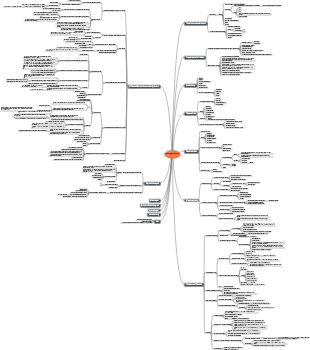
Medications to Treat Heart Failure
Drug Classification
prolong life
renin-angiotensin system inhibitors
angiotensin-converting enzyme inhibitors
captopril, enalapril
Angiotensin II receptor (AT1) blocking drugs
Losartan, Valsartan
angiotensin receptor-neprilysin inhibitor
Sacubitril/valsartan
aldosterone receptor blockers
Spironolactone
beta-adrenoceptor blocking drugs
Metoprolol, carvedilol
Improve symptoms
positive inotropes
cardiac glycosides
digoxin
non-cardiac glycosides
Dopamine, dobutamine, milrinone
diuretics
Hydrochlorothiazide, furosemide
vasodilators
Sodium nitroprusside, isosorbide dinitrate, hydralazine, prazosin
Renin-angiotensin system-aldosterone system inhibitors
angiotensin-converting enzyme inhibitors
captopril, enalapril
mechanism
Reduce peripheral vascular resistance and reduce cardiac afterload
Attenuating AngII vasoconstrictor
Inhibit bradykinin degradation → expand blood vessels
Reduce aldosterone
Inhibit myocardial and vascular remodeling
Reduce sympathetic activity
clinical application
stages
cornerstone
First-line drugs for treating heart failure
Angiotensin II receptor (AT1) blocking drugs
Losartan, Valsartan
ACEI intolerance
angiotensin receptor-neprilysin inhibitor
Sacubitril/valsartan
For patients with reduced ejection fraction
aldosterone receptor blockers
Spironolactone
Eplerenone (optional)
The cell growth-promoting effects of aldosterone are inhibited
diuretics
Mild
Thiazides
Moderate to severe
Loop diuretics or thiazides combined with potassium-sparing diuretics
Severe, acute
Intravenous loop diuretic furosemide
beta-adrenoceptor blocking drugs
mechanism
antagonistic sympathetic activity
bidirectional cardiac function
short term disadvantage
long term beneficial
Inhibit RASS activation
Antiarrhythmic and antimyocardial ischemia
Start with a small dose
All patients with cardiac dysfunction and stable condition
Contraindications
Severe bradycardia, severe left ventricular dysfunction, significant atrioventricular block, hypotension, bronchial asthma
positive inotropes
cardiac glycosides
digoxin, digoxin
internal processes
Great individual differences
High fat solubility
Half-life 36h
sugar part
Water-soluble ↑, prolonged action time
aglycone
positive inotropic effect
mechanism
Inhibits Na⁺-K⁺-ATPase
Ca2⁺↑ in cardiomyocytes
effect
positive inotropy
Contraction ↑, increase cardiac output
Does not increase myocardial oxygen consumption
Slow down heart rate (negative frequency)
conduction
Treatment amount
slow down
Poisoned
Self-discipline↑
diuretic
Increase renal blood flow and glomerular filtration function
clinical application
Treat heart failure
Heart failure with atrial fibrillation and rapid ventricular rate is best
It is effective in cardiac insufficiency caused by valvular disease, rheumatic heart disease (except cases of high-grade mitral stenosis), coronary atherosclerotic heart disease and hypertensive heart disease.
It is less effective for pulmonary heart disease, active myocarditis (such as active rheumatism) or severe myocardial damage, and is prone to poisoning.
For patients with dilated cardiomyopathy, myocardial hypertrophy, and diastolic heart failure, cardiac glycosides should not be used, but receptor blockers and ACE inhibitors should be the first choice.
Treat certain heart rhythm disorders
atrial fibrillation
Slow down atrioventricular conduction
Increased covert conduction in the atrioventricular node
atrial flutter
Most commonly used
Shorten the effective refractory period of the atrium
Atrial flutter becomes fibrillation
paroxysmal supraventricular tachycardia
Reduce excitability
adverse reactions
Heart (heaviest)
tachyarrhythmia
premature ventricular contractions
most common, earliest
bigeminy
atrioventricular block
sinus bradycardia
One of the indications for discontinuation of medication
gastrointestinal tract
center
visual abnormalities
Premonition of poisoning
Indications for discontinuation
poisoning rescue
Potassium chloride intravenous drip
tachyarrhythmia
Phenytoin (severe)
antiarrhythmic
Competing NakATPase
lidocaine
Ventricular tachycardia and ventricular fibrillation
Atropine (blocked M)
Bradycardia, atrioventricular block and other chronic arrhythmias
Fab fragment of digoxin antibody
severe poisoning
interaction
Quinidine
Digoxin clearance↓
Phenytoin
Increase clearance
Adrenergic drugs
Poisoned
Potassium-depleting diuretics
hypokalemia
non-cardiac glycosides
sympathomimetic drugs
dopamine
Low concentration (D receptor)
acute heart failure, intravenous drip
Dobutamine
excited β1
Severe patients who are refractory to cardiac glycosides
Phosphodiesterase inhibitors
Inhibits PDE-III (phosphodiesterase 3)
Increase cAMP, increase Ca
short time
Aminrinone, milrinone, vesrinone, pimobendan
vasodilators
Nitroglycerin
dilated veins
Reduce front load
Hydralazine
dilated arterioles
Reduce afterload
sodium nitroprusside
dilation of venules and arterioles
acute pulmonary edema, hypertensive crisis
Prazosin
dilation of arteries and veins
Nesiritide
Diuresis and vasodilation
Bosentan
Competitive endothelin receptor blockers
Calcium sensitizers and calcium channel blockers
calcium sensitization
Pimobendan, levosimendan, thiamine
calcium channel blockers
Long lasting
amlodipine, felodipine
Secondary coronary heart disease, hypertension and diastolic dysfunction