MindMap Gallery Client and server communication process
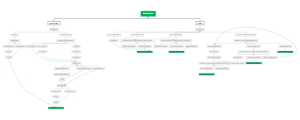
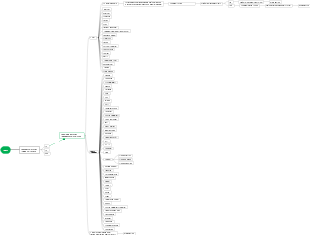
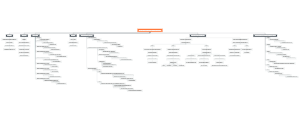
This is a mind map about the communication process between the client and the server. The main content includes: the client receives a response, returns an HTTP response message, the server processes the request, sends an HTTP request message, establishes a TCP connection, and the client initiates a request.
Edited at 2024-10-11 18:19:47Dive into the world of the Chinese animated film Nezha 2: The Devil's Birth! This knowledge map, created with EdrawMind, provides a detailed analysis of main characters, symbolic elements, and their cultural significance, offering deep insights into the film's storytelling and design.
This is a mindmap about Nezha 2, exploring its political metaphors and cultural references. The diagram highlights the symbolism behind the Dragon Clan’s suppression, drawing parallels to modern geopolitical conflicts and propaganda manipulation. It also details Chinese historical and cultural elements embedded in the film, such as the Jade Void Palace, Ao Bing’s armor, Taiyi Zhenren’s magic weapon, and Nezha’s hairstyle.
This is a mindmap about the main characters of Nezha 2, detailing their backgrounds, conflicts, and symbolic meanings. It explores the personal struggles and transformations of Nezha, Ao Bing, Shen Gongbao, and Li Jing as they navigate themes of rebellion, duty, ambition, and sacrifice.
Dive into the world of the Chinese animated film Nezha 2: The Devil's Birth! This knowledge map, created with EdrawMind, provides a detailed analysis of main characters, symbolic elements, and their cultural significance, offering deep insights into the film's storytelling and design.
This is a mindmap about Nezha 2, exploring its political metaphors and cultural references. The diagram highlights the symbolism behind the Dragon Clan’s suppression, drawing parallels to modern geopolitical conflicts and propaganda manipulation. It also details Chinese historical and cultural elements embedded in the film, such as the Jade Void Palace, Ao Bing’s armor, Taiyi Zhenren’s magic weapon, and Nezha’s hairstyle.
This is a mindmap about the main characters of Nezha 2, detailing their backgrounds, conflicts, and symbolic meanings. It explores the personal struggles and transformations of Nezha, Ao Bing, Shen Gongbao, and Li Jing as they navigate themes of rebellion, duty, ambition, and sacrifice.
Client and server communication process
Client initiates request
Browser as client
User enters URL or clicks link
Browser parses URL
Extract domain name information
Parse protocol type (such as HTTP or HTTPS)
Browser looks for local cache
Check if there are cached DNS records
Check for cached web content
Browser initiates DNS query
Resolve domain name to obtain IP address
Query local DNS cache
Query router DNS cache
Query your ISP’s DNS server
Recursive or iterative query
Establish an IP connection to the server
Locate servers by IP address
Construct HTTP request message
Determine request method
Common methods include GET, POST, PUT, DELETE, etc.
Set request header
Includes user agent, accepted content types, language preferences, etc.
Construct the request body (if needed)
If the POST request contains form data or JSON data
Establish TCP connection
TCP three-way handshake process
The client sends a SYN (synchronization sequence number) message
Start a new connection
The server responds to the SYNACK message
Confirm receipt of client connection request
Client sends ACK message
Confirm receipt of confirmation message from server
Ensure the reliability of data transmission
Serial number and confirmation response mechanism
Flow control and congestion control
Send HTTP request message
Send the request message to the server through the TCP connection
Reliable transmission using TCP to ensure data integrity
HTTP message format
Start line (request line, status line)
Header field (Header)
blank line
Entity body (optional)
The server receives the request message
Parse HTTP request messages
Read request method and path
Parse request header information
Server handles request
Server-side application logic processing
Perform corresponding operations according to the request method
Such as processing GET requests to obtain resources
Such as processing POST request to submit data
Database interaction (if required)
Query the database to get data
Update database record
Generate HTTP response message
Set response status code
For example, 200 OK indicates that the request is successful.
For example, 404 Not Found means that the resource was not found.
Construct response header
Including content type, content length, server information, etc.
Construct response body
Contains requested resource content or error information
Return HTTP response message
Send response message through TCP connection
The server sends the response message to the client
The client receives and verifies the integrity of the response message
Close TCP connection
The client or server initiates four waving processes
Send FIN message
Receive ACK message confirmation
Send ACK message to confirm
close connection
Client receives response
Browser parses HTTP response message
Parse status codes and response headers
Process the content in the response body
Such as rendering HTML page
Such as parsing JSON data
Display results to user
Update browser interface
Show web content
Update address bar and status bar information
Possible follow-up actions
cache resources
Store static resources such as images, CSS, and JavaScript files
Set cookies
Store user session information or other state data
Make a new request
Such as resource loading in the page (pictures, scripts, etc.)
Such as new requests caused by user interaction (clicking links, submitting forms, etc.)