MindMap Gallery 22 Neck diseases
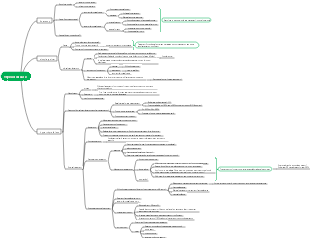
This is a mind map about 22 neck diseases. Thyroid disease refers to the general term for diseases caused by abnormalities in the shape, structure, and function of the thyroid gland. It mainly includes hyperthyroidism (hyperthyroidism), hypothyroidism (hypothyroidism), and thyroid disease. inflammation, thyroid nodules, and thyroid cancer. Below is a detailed overview of thyroid disease.
Edited at 2024-12-05 22:23:19這是一篇關於把時間當作朋友的心智圖,《把時間當作朋友》是一本關於時間管理和個人成長的實用指南。作者李笑來透過豐富的故事和生動的例子,教導讀者如何克服拖延、提高效率、規劃未來等實用技巧。這本書不僅適合正在為未來奮鬥的年輕人,也適合所有希望更好地管理時間、實現個人成長的人。
This is a mind map about treating time as a friend. "Treating Time as a Friend" is a practical guide on time management and personal growth. Author Li Xiaolai teaches readers practical skills on how to overcome procrastination, improve efficiency, and plan for the future through rich stories and vivid examples. This book is not only suitable for young people who are struggling for the future, but also for everyone who wants to better manage time and achieve personal growth.
這七個習慣相輔相成,共同構成了高效能人士的核心特質。透過培養這些習慣,人們可以提升自己的領導力、溝通能力、團隊協作能力和自我管理能力,從而在工作和生活中取得更大的成功。
這是一篇關於把時間當作朋友的心智圖,《把時間當作朋友》是一本關於時間管理和個人成長的實用指南。作者李笑來透過豐富的故事和生動的例子,教導讀者如何克服拖延、提高效率、規劃未來等實用技巧。這本書不僅適合正在為未來奮鬥的年輕人,也適合所有希望更好地管理時間、實現個人成長的人。
This is a mind map about treating time as a friend. "Treating Time as a Friend" is a practical guide on time management and personal growth. Author Li Xiaolai teaches readers practical skills on how to overcome procrastination, improve efficiency, and plan for the future through rich stories and vivid examples. This book is not only suitable for young people who are struggling for the future, but also for everyone who wants to better manage time and achieve personal growth.
這七個習慣相輔相成,共同構成了高效能人士的核心特質。透過培養這些習慣,人們可以提升自己的領導力、溝通能力、團隊協作能力和自我管理能力,從而在工作和生活中取得更大的成功。
Thyroid disease
Overview of Thyroid Physiology
Synthesize T₄(90%)T₃(10%), combined with thyroglobulin
The functions of T4 and T3:
①Oxygen consumption and heat production ② Decomposition of protein, carbohydrates and fats ③Promote growth, development and tissue differentiation (brain, bones)
Physiological regulation:
①Hypothalamic (TRH) → pituitary gland (TSH) → thyroid (T3, T4) axis ②In the thyroid gland: high iodine - iodine uptake by the thyroid gland↑, synthesis of T3 and T4↑→iodine uptake by the thyroid gland↓, synthesis of T3 and T4↓
Negative feedback:
①Thyroxine requirements ↑ (activity, pregnancy, growth and development, cold) ② Thyroxine synthesis disorder ③Iodine deficiency
simple goiter
Cause:
Iodine deficiency: endemic Increased thyroid hormone requirements: physiological Disorders of thyroid hormone biosynthesis and secretion
Pathophysiology
Thyroid hyperplasia → nodule formation → formation of autonomous function (secondary hyperthyroidism) → canceration
clinical manifestations
Goiter: diffuse → nodular Compression symptoms: airway, esophagus, blood vessels, nerves Secondary hyperthyroidism: Plummer's disease Malignant transformation: incidence rate 4~17%
treat
Prevention: Eliminate the cause of the disease: add iodized salt, iodine-rich foods - kelp, seaweed
Indications for surgery (subtotal thyroidectomy)
① Huge goiter affects the appearance and causes compression symptoms: trachea, esophagus, blood vessels, and nerve compression ②Retrosternal goiter ③Secondary hyperthyroidism ④Suspicious malignant transformation
Hyperthyroidism
Types
primary hyperthyroidism
It is more common in female patients aged 20-40 years. The gland is diffusely and symmetrically enlarged, and is often accompanied by exophthalmos, also known as exophthalmos goiter. Elevated thyroid-stimulating receptor antibodies.
secondary hyperthyroidism
Less commonly, patients first have nodular goiter or thyroid tumors for many years, and then gradually develop symptoms of hyperfunction. The age of onset is mostly over 40 years old. The glands are nodular and swollen, with symptoms on both sides and no exophthalmos. Myocardial damage is prone to occur.
high functioning adenoma
Even rarer, without exophthalmos, there are single or multiple autonomous high-functioning nodules in the gland, and thyroid tissue atrophy around the nodules
clinical manifestations
①Goiter ② Hypermetabolic syndrome: irritability, fear of heat, hyperhidrosis, hyperappetite, weight loss, heart rate ↑, pulse pressure ↑ ③Prototic eyes
laboratory tests
BMR (basal metabolic rate) measurement: performed at complete rest and on an empty stomach. BMR = (pulse rate + pulse pressure difference) - 111 Normal ±10%, increased by 20~30% for mild hyperthyroidism, increased by 30~60% for moderate hyperthyroidism, increased by more than 60% for severe hyperthyroidism
Measurement of thyroid uptake rate: ↑, 2h>25% or 24h>50% can be diagnosed
Serum T3 and T4 measurement: ↑
The basic method to control hyperthyroidism is
①Antithyroid drugs ②Radioactive isotope iodine ③Surgery
surgical treatment
Indications: secondary hyperthyroidism or high-functioning adenoma, moderate or above primary hyperthyroidism, compression symptoms, recurrence after internal medicine or iodine 131 treatment, early and second trimester pregnancy Contraindications: Hyperthyroidism in adolescents, mild hyperthyroidism, the elderly or patients with severe organic diseases
Preoperative preparation
General preparation: sedatives, oral propranolol for fast heart rate, digitalis for heart failure
Preoperative examination: X-ray, cardiac examination, laryngoscopy, BMR measurement
Medication Preparation: Lowering BMR
① First use thiourea to control hyperthyroidism, and then switch to iodine (which can only inhibit the release of thyroid hormone, but not its synthesis) for 2 weeks ② Use iodine alone for 2 to 3 weeks to control hyperthyroidism. If it is ineffective, add thiourea.
Surgery and post-operative precautions
Anesthesia: general anesthesia Dealing with upper pole vessels: close to the upper pole Treat the lower blood vessels: leave the back of the gland, or close to the gland, or ligate within the gland, leaving the back of the gland intact
Surgical method: Bilobar subtotal thyroidectomy: 80~90% removal, leaving 3~4g per lobe Total thyroidectomy of one lobe + subtotal contralateral resection Total thyroidectomy: to prevent recurrence or malignant transformation Postoperative: Follow with 10 drops of iodine Tid for one week or 16 drops of Tid in decreasing order
postoperative complications
Postoperative dyspnea and asphyxia (most serious complications)
Causes: Hematoma compression (common), laryngeal edema, tracheal collapse, bilateral recurrent laryngeal nerve injury
Clinical manifestations: difficulty breathing, neck swelling, bleeding from the incision
Treatment: open the incision, remove the hematoma, and strictly stop bleeding. If ineffective, tracheotomy will be performed.
Prevention: Improve hemostasis during surgery, and prepare a tracheotomy bag next to the bedside after surgery.
Recurrent laryngeal nerve injury
Reason: cutting, suturing, clamping, pulling Location: Entry into the throat, intersection of lower A, lower pole
Clinical manifestations: hoarseness, dyspnea (bilateral injury)
Treatment: nothing special, the healthy side will compensate after 6 months Prevention: Preserve the back of the gland, stay away from the thyroid gland when handling A, and expose the thyroid segment of the recurrent laryngeal nerve throughout the process.
Special situation: larynx does not return
Normally, after the recurrent laryngeal nerve emerges from the vagus nerve, it goes around the aortic arch on the left side, the right subclavian artery on the right side, and then enters the larynx along the tracheoesophageal groove. Laryngeal non-return: refers to the vagus nerve plexus that directly enters the larynx after it emerges from the cervical segment.
superior laryngeal nerve injury
Reason: When treating the upper blood vessels, the upper vessels were not tightly connected and were ligated together. Clinical manifestations: choking (inner branch damage), low pitch (outer branch damage) Treatment: nothing special, gradually the healthy side compensates Prevention: stick to the upper pole and perform ligation separately
tetany
Cause: Inadvertent removal of parathyroid glands, destruction of blood supply Clinical manifestations: Numbness of the face, lips, hands and feet occurs 1 to 3 days after the operation, and in severe cases, twitching of the hands and feet occurs, and compensation occurs after 2 to 3 weeks; blood calcium↓ Treatment: Calcium supplementation, vitD3, dihydrotachysterol, postoperative allogeneic transplantation Prevention: Keep the back of the gland, keep it close to the back, avoid excessive traction, parathyroid autotransplantation
thyroid storm
Reason: Insufficient preoperative preparation, surgical stress Clinical manifestations: high fever, rapid pulse, irritability, profuse sweating, vomiting and diarrhea, and in severe cases, shock. Treatment: Adrenergic blocking agents: reserpine, propranolol, iodine, corticosteroids, sedatives, cooling, support, digitalis
Thyroiditis
subacute thyroiditis
Cause: Viral infection (history of upper respiratory tract infection 1-2 weeks before onset of illness) Clinical manifestations: sudden swelling of the thyroid gland, pain, and possibly fever Treatment: Hormone therapy (prednisone)
Chronic lymphocytic thyroiditis (Hashimoto's thyroiditis)
Cause: Autoimmunity; Clinical manifestations: diffuse goiter, painless, hard texture, hypothyroidism Treatment: No treatment is required for normal thyroid function; for hypothyroidism, take Euthyrox orally.
acute suppurative thyroiditis
Cause: Caused by purulent infection of the mouth or neck; Clinical manifestations: thyroid swelling, tenderness, compression symptoms, fever Treatment: Antibiotics. Early incision and drainage when abscess formation occurs
chronic fibrous thyroiditis
Cause: unknown Clinical manifestations: often on one side, hard as iron, tracheoesophageal and nerve compression symptoms, hypothyroidism; Treatment: Removal of the thyroid isthmus to relieve tracheal compression when dyspnea occurs
Thyroid cancer
Papillary carcinoma (most common) follicular adenocarcinoma Medullary carcinoma: derived from parafollicular calcitonin-secreting cells (C cells) undifferentiated carcinoma
Common surgical approaches for thyroid cancer include: Anterior cervical approach (conventional) Transthoracic approach (laparoscopy) Transaxillary approach (laparoscopy) Transoral vestibular approach (endoscopic) Radiofrequency ablation treatment (minimally invasive) controversy! !