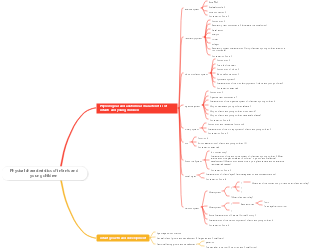
MindMap Gallery Energy and nutritional needs of infants and young children
The meaning of nutrient requirements: they are substances in food that have specific physiological effects and can maintain the body's growth, development, activity, reproduction and normal metabolism, including proteins, fats, carbohydrates, minerals, vitamins, water and dietary fiber.
Edited at 2024-12-03 22:37:27這是一篇關於把時間當作朋友的心智圖,《把時間當作朋友》是一本關於時間管理和個人成長的實用指南。作者李笑來透過豐富的故事和生動的例子,教導讀者如何克服拖延、提高效率、規劃未來等實用技巧。這本書不僅適合正在為未來奮鬥的年輕人,也適合所有希望更好地管理時間、實現個人成長的人。
This is a mind map about treating time as a friend. "Treating Time as a Friend" is a practical guide on time management and personal growth. Author Li Xiaolai teaches readers practical skills on how to overcome procrastination, improve efficiency, and plan for the future through rich stories and vivid examples. This book is not only suitable for young people who are struggling for the future, but also for everyone who wants to better manage time and achieve personal growth.
這七個習慣相輔相成,共同構成了高效能人士的核心特質。透過培養這些習慣,人們可以提升自己的領導力、溝通能力、團隊協作能力和自我管理能力,從而在工作和生活中取得更大的成功。
這是一篇關於把時間當作朋友的心智圖,《把時間當作朋友》是一本關於時間管理和個人成長的實用指南。作者李笑來透過豐富的故事和生動的例子,教導讀者如何克服拖延、提高效率、規劃未來等實用技巧。這本書不僅適合正在為未來奮鬥的年輕人,也適合所有希望更好地管理時間、實現個人成長的人。
This is a mind map about treating time as a friend. "Treating Time as a Friend" is a practical guide on time management and personal growth. Author Li Xiaolai teaches readers practical skills on how to overcome procrastination, improve efficiency, and plan for the future through rich stories and vivid examples. This book is not only suitable for young people who are struggling for the future, but also for everyone who wants to better manage time and achieve personal growth.
這七個習慣相輔相成,共同構成了高效能人士的核心特質。透過培養這些習慣,人們可以提升自己的領導力、溝通能力、團隊協作能力和自我管理能力,從而在工作和生活中取得更大的成功。
Energy and nutritional needs of infants and young children
energy requirement
energy consumption
Basal metabolism (first)
In infants and young children, it accounts for 60% of total energy
Influencing factors
Body shape and body composition, age and gender, nutritional and functional status, endocrine, season
Physical activity (second place)
Thermic effect of food (special dynamic effect of food)
Growth and development (specific to infants and young children)
Excretion consumption
energy requirement
The dietary energy intake required by an individual or group to maintain good health over the long term, maintain good body shape, body composition, and ideal activity levels, and achieve energy balance.
Nutrient requirements
Meaning: It is a substance in food that has specific physiological effects and can maintain the growth, development, activity, reproduction and normal metabolism of the body, including protein, fat, carbohydrate, minerals, vitamins, water and dietary fiber, etc.
Dietary nutrient reference intake: average requirement EAR, recommended intake RNI, appropriate intake AI, tolerable maximum intake UL.
Energy-producing nutrients
protein
Basic unit: amino acid
Essential amino acids (cannot be synthesized by the human body): isotole, leucine, leucine, egg, phenylpropanol, threonine, color, valerian, histidine
Nutritional value classification
Complete protein, semi-complete protein, incomplete protein
Physiological function
Important components that make up the structure of human cells, tissues and organs: the growth and development of infants and young children's physique, tissues and organs, as well as the repair of various injuries to the body and the recovery from digestive diseases.
It constitutes a variety of substances with important physiological functions in the body: the main components of enzymes, antibodies and certain hormones. It has catalytic transport, regulates contraction and immune function.
Maintain the body's internal environment and various life activities: acid-base balance, colloid osmotic pressure, and normal distribution of water in the body
Supply capacity: Each gram produces approximately 4kcal of energy in the body
Provides special amino acids:
clinical manifestations
Deficiencies: fatigue, weight loss, anemia, reduced immune and stress capabilities, reduced plasma protein content, especially albumin, and nutritional edema.
Too much: accelerates bone growth and increases the burden on the kidneys of infants and young children.
food source
Plant-based proteins: cereals, legumes, eggs and dairy
Animal protein: poultry, livestock and fish
Fat (main source of energy)
Fatty acids: saturated and unsaturated fatty acids
trans fatty acids
Too much: Increase low-density lipoprotein, reduce high-density lipoprotein, increase the risk of arteriosclerosis and coronary heart disease, affect the growth and development of infants and children, and the health of the nervous system
Physiological function
Store and provide energy to the body
Promote absorption of fat-soluble vitamins
Maintain body temperature and protect organs
clinical manifestations
Deficiency: Affects brain development, resulting in malnutrition, growth retardation and various fat-soluble vitamin deficiencies. Long-term insufficient fat intake can cause a deficiency of essential fatty acids, especially in newborns. The clinical manifestations of essential fatty acid deficiency are: dry, desquamated, hypertrophic, scaly skin, sparse hair, red macules or papules; reduced growth and development rate; abnormal gastrointestinal, liver and renal function; platelet dysfunction, easy Infections and abnormalities in blood lipids and body fat composition, etc.
Excessive amount: can easily lead to indigestion and obesity
food source
Vegetable oil: peanut nuts (less cholesterol, higher digestion and absorption rate, containing unsaturated fatty acids, more essential fatty acids)
Animal fat: lard (high in saturated fatty acids)
Carbohydrates (sugar)
Classification: Sugars, Oligosaccharides and Polysaccharides
biological function
Store and provide energy
Constituting tissues and important life substances
Save protein
Save protein
Detoxification
clinical manifestations
Deficiency: Ketone body production can lead to ketosis poisoning
Overdose: Increases blood lipid content and increases the risk of cardiovascular disease. and adverse effects on the occurrence of diabetes
food source
Cereals, potatoes, fruits, vegetables, foods and pure carbohydrates. Candy, cane sugar and dairy products
dietary fiber
Biological effects
Enhance intestinal function and control weight
clinical manifestations
lack
Constipation and intestinal disorders
excessive
Produces a feeling of gastrointestinal fullness and discomfort.
food source
Whole grains, legumes, fruits, vegetables and potatoes are the main sources, but are also found in high amounts in nuts and seeds.
non-capacity-producing nutrients
Minerals
Constant: Calcium
Physiological function
Main component of bones and teeth
Participate in maintaining various physiological functions
Participate in blood coagulation, maintain acid-base balance of body fluids, hormone secretion, and regulate normal physiological functions of cells
Promote enzyme activity in the body and maintain nerve and muscle activity
clinical manifestations
Deficiency: Poor bone calcification, retarded growth, abnormal new strand structure. Bone deformation and rickets may occur
Overdose: Hypercalcemia, hypercalciuria, calcification of blood vessels and soft tissues, kidney stones, milk-alkali syndrome, interference with the absorption of iron, zinc, and metal ions and causing constipation
food source
Dairy products, soy products, dark green leafy vegetables and cauliflower. Spinach, water spinach and shellfish
Influencing factors
Promote absorption
Physical activity increases calcium absorption and promotes its storage. Lactose, oligosaccharides, appropriate amounts of protein and some amino acids combine with calcium to form soluble complexes that are beneficial to calcium absorption. A low-phosphorus diet reduces blood phosphorus levels and stimulates vitamin D activation, which in turn improves calcium absorption. Vitamin D can promote the absorption of calcium. When the calcium to phospholipid ratio is 1:1, the absorption of calcium is best.
Reduce absorption
Uronic acid residues, fatty acids, especially saturated fatty acids in dietary fiber can combine with calcium to form insoluble complexes, thereby reducing calcium absorption. Oxalic acid and phytic acid in the diet can form precipitates with calcium, thereby hindering calcium absorption.
Trace amounts: iron
Physiological function
Participate in the synthesis of hemoglobin. Iron can also catalyze the conversion of B-carotene into vitamin A, participate in the synthesis of purine and collagen, the production of antibodies, and the transport of lipids in the blood. At the same time, iron can also increase neutrophils, enhance the phagocytic function of phagocytes and the body’s anti-infection ability.
clinical manifestations
lack
Iron deficiency anemia can cause symptoms such as stunted physical growth, decreased physical strength, disorders in the regulation of attention and memory, reduced learning ability, and susceptibility to infectious diseases.
excessive
Excessive iron load leads to chronic poisoning symptoms, causing significant damage to fatty acids, proteins and nucleic acids, and accelerating cell aging and death.
food source
Including animal foods and plant foods. Dietary iron is divided into heme and non-heme iron. Heme iron mainly comes from hemoglobin and myoglobin in meat and poultry; non-heme iron is mainly found in plant foods and dairy products, accounting for the vast majority of dietary iron.
Trace amounts: Iodine (found in the thyroid gland)
Physiological function
Promote growth and development, participate in brain development, and regulate metabolism
clinical manifestations
lack
Goiter, commonly known as "big neck disease"
excess:
Hypothyroidism, goiter, autoimmune thyroid disease, iodine-induced hyperthyroidism, thyroid cancer (hyperthyroidism), etc.
food source
Seafood and animal foods such as kelp, seaweed, fresh fish, dried wax, dried clams, scallops, mussels, sea cucumbers, jellyfish, shrimp, etc.
Trace amounts: Zinc
Physiological function
It has functions such as promoting growth and development, enhancing the body's immune function, maintaining cell membrane structure, promoting brain development and maintaining cognition, accelerating wound healing and increasing appetite.
clinical manifestations
Deficiencies: loss of appetite, loss of taste, pica, retardation of growth and development, dermatitis, difficulty in wound healing, etc.
food source
Shellfish, red meat offal, etc. are excellent sources of this; cheese, shrimp, oats, peanut butter, peanuts, etc. are good sources; dried fruits, cereal germ and wheat bran
vitamins
fat soluble vitamins
Vitamin A
Physiological function
Anti-cancer effect, visual function, maintaining the integrity of skin and mucous membranes, promoting immune function and promoting growth and development, etc.
clinical manifestations
lack
Night blindness, dry eye disease, thickening of hair follicles (keratinization of hair follicles), impaired immune function, and increased prevalence and mortality from infectious diseases.
excessive
Embryonic malformations, bone mineral loss, liver damage and increased risk of cardiovascular disease.
food source
Carotene foods include carrots, sweet potatoes, spinach, cress, kale, green mustard greens, pumpkin, lettuce leaves, lettuce, broccoli, etc.
Vitamin D
Physiological function
Maintain the body's calcium and phosphorus balance and participate in immune regulation in the body. Promote calcium absorption in the small intestine and promote the absorption of excess calcium and phosphorus in the renal tubules Exhibits multiple effects on cells, regulates gene transcription, and regulates blood calcium balance through the vit D endocrine system
clinical manifestations
lack
Rickets, osteoporosis, osteomalacia
excess
Poisoning, causing hypercalcemia, hypercalciuria, muscle weakness, joint pain, progressive bone demineralization and general disorientation, etc.
food source
Obtained through skin contact with sunlight or from meals, such as marine fish, animal liver, egg yolks and butter, etc.
Vitamin K
Physiological function
Regulates coagulation protein synthesis, regulates bone tissue calcification, and inhibits blood vessel and urinary tract calcification, etc.
clinical manifestations
Vitamin K deficiency hemorrhage
food source
Beans, wheat bran, green vegetables, animal liver
water soluble vitamins
Vitamin B1
Physiological function
It plays an important role in energy metabolism in the body and plays an important role in maintaining the normal function of nerves, muscles, especially myocardium, as well as maintaining normal appetite, gastrointestinal motility and digestive secretion.
clinical manifestations
Vitamin B deficiency, also known as beriberi, has main clinical manifestations such as loss of appetite, constipation, nausea, depression, peripheral nerve disorders, excitability, and fatigue. Infants who are deficient in vitamin B will develop beriberi, which mostly occurs in infants who are a few months old.
food source
Cereals, beans, dried fruits, offal (heart, liver, kidney), lean meat, eggs, etc. Cereals are the main source
Vitamin B2 (riboflavin)
Physiological function
It participates in biological oxidation and energy generation in the body, improves the function of the antioxidant defense system, participates in drug metabolism, maintains the structure and function of the intestinal mucosa, and participates in the dark adaptation process.
clinical manifestations
Early symptoms of infants and young children include fatigue, weakness, oral pain, itching and burning sensation in the eyes, and then oral and scrotal lesions, which are called "oral reproductive system syndrome", including cheilitis, angular stomatitis, glossitis, dermatitis, and scrotal dermatitis. and corneal vascular proliferation.
food source
Including milk, eggs, various meats, offal, cereals, vegetables and fruits, etc. Cereals and vegetables are the main sources
Vitamin C (corbic acid, water-soluble antioxidant nutrient)
Physiological function
Hydroxylation, antioxidant effect, immunity improvement and detoxification, etc.
clinical manifestations
lack
Mild fatigue, long-term deficiency can lead to scurvy. Scurvy can be life-threatening if left untreated.
excessive
May cause urinary system stones.
food source
Fresh vegetables and fruits, such as peppers, spinach, vegetables, tomatoes, citrus, hawthorn, kiwi, fresh dates, grapefruit, strawberries and oranges. Jujubes, etc. are especially rich in vitamin C.
water
Physiological function
main components of human tissue
Participate in body metabolism
Maintain normal body fluids
Regulate body temperature, lubricate
clinical manifestations
lack
Causes water and electrolyte metabolism disorders, Degree of water loss and associated symptoms. Chronic kidney disease, cognitive and physical decline.
excessive
Causes acute water intoxication and mild hyponatremia. Water intoxication can cause headaches, nausea, vomiting, memory loss, etc. due to swelling of brain cells, edema of brain tissue, and increased intracranial pressure. Sometimes, progressive mental retardation, trance, coma, convulsions, etc. may occur. In severe cases, death.
food source
Water for drinking and food. Food water mainly comes from staple foods, dishes, snacks and soups, including the moisture contained in the food itself and the water added during the cooking process.