MindMap Gallery Mechanism of action of cleaning agents
The balance of the mechanism of action of cleaning agents involves types of cleaning agents, mechanism of action, and environmental considerations. Types of cleaning agents include surfactants, acid-base cleaners, solvents, and more. They remove stains and dirt through physical or chemical action. When selecting cleaning agents, environmental considerations are crucial to minimize their impact on the environment.
Edited at 2024-12-23 07:14:49In the introduction section, elastin is a protein that plays a crucial role in the body, endowing tissues with elasticity and toughness. Its properties include high elasticity and good ductility. Elastin has a wide range of sources and is commonly found in animal connective tissues such as skin and blood vessels. When using elastin in products, the amount and method of addition should be determined based on the characteristics of the product. It has many uses and can be added to skincare products to enhance skin elasticity and reduce wrinkles; Improving food texture and enhancing taste in the food industry; In the medical field, it can be used to make elastic scaffolds such as artificial blood vessels, providing support for tissue repair. Reasonable use can play its unique value.
This document aims to guide the proper use of proteins. Proteins are the fundamental substances that make up life and are essential for maintaining normal physiological functions in the body, with a wide variety of types. When using protein, daily diet is an important source, such as meat, eggs, etc., which are rich in high-quality protein. Measuring protein intake can be done using professional tools or methods to ensure that the intake meets the body's needs. When mixing protein powder, it should be prepared according to the recommended ratio, and the water temperature should not be too high to avoid damaging the protein activity. Different groups of people have different protein requirements, such as athletes and fitness enthusiasts who can increase their intake appropriately to meet the needs of body repair and muscle growth.
Introduction to Unsaturated Polyester Resin: It is an important thermosetting resin with various excellent properties. It has a wide range of applications and is used in the construction industry to produce fiberglass products such as doors, windows, decorative panels, etc; Used in the automotive industry for manufacturing body components. The advantages of use include simple molding process, low cost, and chemical corrosion resistance. However, it also faces challenges and limitations, such as relatively poor heat resistance and susceptibility to aging. During use, corresponding protective measures should be taken according to specific application scenarios, such as adding heat-resistant agents, antioxidants, etc., to extend their service life and fully leverage their advantages.
In the introduction section, elastin is a protein that plays a crucial role in the body, endowing tissues with elasticity and toughness. Its properties include high elasticity and good ductility. Elastin has a wide range of sources and is commonly found in animal connective tissues such as skin and blood vessels. When using elastin in products, the amount and method of addition should be determined based on the characteristics of the product. It has many uses and can be added to skincare products to enhance skin elasticity and reduce wrinkles; Improving food texture and enhancing taste in the food industry; In the medical field, it can be used to make elastic scaffolds such as artificial blood vessels, providing support for tissue repair. Reasonable use can play its unique value.
This document aims to guide the proper use of proteins. Proteins are the fundamental substances that make up life and are essential for maintaining normal physiological functions in the body, with a wide variety of types. When using protein, daily diet is an important source, such as meat, eggs, etc., which are rich in high-quality protein. Measuring protein intake can be done using professional tools or methods to ensure that the intake meets the body's needs. When mixing protein powder, it should be prepared according to the recommended ratio, and the water temperature should not be too high to avoid damaging the protein activity. Different groups of people have different protein requirements, such as athletes and fitness enthusiasts who can increase their intake appropriately to meet the needs of body repair and muscle growth.
Introduction to Unsaturated Polyester Resin: It is an important thermosetting resin with various excellent properties. It has a wide range of applications and is used in the construction industry to produce fiberglass products such as doors, windows, decorative panels, etc; Used in the automotive industry for manufacturing body components. The advantages of use include simple molding process, low cost, and chemical corrosion resistance. However, it also faces challenges and limitations, such as relatively poor heat resistance and susceptibility to aging. During use, corresponding protective measures should be taken according to specific application scenarios, such as adding heat-resistant agents, antioxidants, etc., to extend their service life and fully leverage their advantages.
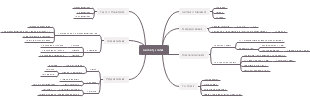
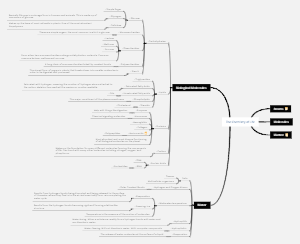
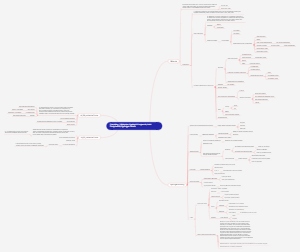
Mechanism of action of cleaning agents
Emulsification
Breaking down oils and fats
Surfactants reduce surface tension
Surfactants have hydrophilic and lipophilic parts
Lowers the energy required to separate oil from surface
Formation of micelles
Oil droplets surrounded by surfactant molecules
Micelles trap oil and prevent redeposition
Dispersal of particulates
Suspension of soil in solution
Prevents settling and facilitates removal
Detergency
Wetting action
Surfactants spread over surface
Allows cleaning agent to penetrate soil
Enhances contact between soil and solution
Reduction of water's surface tension
Allows water to spread over surface more effectively
Lifting and suspending soil
Physical removal of soil from surface
Mechanical action (scrubbing, agitation)
Chemical action (dissolution, saponification)
Disinfection
Killing or inhibiting microorganisms
Antimicrobial agents
Chemicals that target bacteria, viruses, fungi
Disrupt cell membranes or metabolic processes
Biocidal action
Inactivation of microorganisms
Prevents growth and spread of pathogens
Chemical reaction
Saponification
Reaction with fats and oils
Formation of soap and glycerol
Converts insoluble fats into soluble compounds
Alkaline hydrolysis
Use of alkaline substances to break down organic matter
Enhances cleaning of acidic soils
Oxidation/Reduction
Breaking down complex molecules
Use of oxidizing or reducing agents
Destroys organic matter by altering its structure
Bleaching action
Removal of color from surfaces
Often involves oxidation to decolorize stains
Physical removal
Abrasion
Use of abrasive particles
Removal of tough stains and deposits
Requires careful selection to avoid surface damage
Mechanical scrubbing
Physical force to dislodge soil
Effective for heavy soiling
Rinsing
Removal of cleaning agent and loosened soil
Use of water to flush away residues
Prevents redeposition of soil
Final rinse with clean water
Ensures no cleaning agent residue remains
Leaves surface clean and streakfree