MindMap Gallery Detection method for transmembrane transporter activity in cell lines
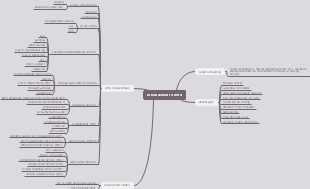
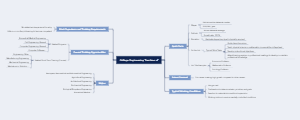
This mind map elaborates on the detection method for transmembrane transporter activity in cell lines, including the types of transporters, selection criteria for cell lines, and various detection methods (such as isotope labeling and fluorescence labeling), providing a comprehensive experimental protocol for the study of transmembrane transporter activity.
Edited at 2024-12-24 12:10:17In the introduction section, elastin is a protein that plays a crucial role in the body, endowing tissues with elasticity and toughness. Its properties include high elasticity and good ductility. Elastin has a wide range of sources and is commonly found in animal connective tissues such as skin and blood vessels. When using elastin in products, the amount and method of addition should be determined based on the characteristics of the product. It has many uses and can be added to skincare products to enhance skin elasticity and reduce wrinkles; Improving food texture and enhancing taste in the food industry; In the medical field, it can be used to make elastic scaffolds such as artificial blood vessels, providing support for tissue repair. Reasonable use can play its unique value.
This document aims to guide the proper use of proteins. Proteins are the fundamental substances that make up life and are essential for maintaining normal physiological functions in the body, with a wide variety of types. When using protein, daily diet is an important source, such as meat, eggs, etc., which are rich in high-quality protein. Measuring protein intake can be done using professional tools or methods to ensure that the intake meets the body's needs. When mixing protein powder, it should be prepared according to the recommended ratio, and the water temperature should not be too high to avoid damaging the protein activity. Different groups of people have different protein requirements, such as athletes and fitness enthusiasts who can increase their intake appropriately to meet the needs of body repair and muscle growth.
Introduction to Unsaturated Polyester Resin: It is an important thermosetting resin with various excellent properties. It has a wide range of applications and is used in the construction industry to produce fiberglass products such as doors, windows, decorative panels, etc; Used in the automotive industry for manufacturing body components. The advantages of use include simple molding process, low cost, and chemical corrosion resistance. However, it also faces challenges and limitations, such as relatively poor heat resistance and susceptibility to aging. During use, corresponding protective measures should be taken according to specific application scenarios, such as adding heat-resistant agents, antioxidants, etc., to extend their service life and fully leverage their advantages.
In the introduction section, elastin is a protein that plays a crucial role in the body, endowing tissues with elasticity and toughness. Its properties include high elasticity and good ductility. Elastin has a wide range of sources and is commonly found in animal connective tissues such as skin and blood vessels. When using elastin in products, the amount and method of addition should be determined based on the characteristics of the product. It has many uses and can be added to skincare products to enhance skin elasticity and reduce wrinkles; Improving food texture and enhancing taste in the food industry; In the medical field, it can be used to make elastic scaffolds such as artificial blood vessels, providing support for tissue repair. Reasonable use can play its unique value.
This document aims to guide the proper use of proteins. Proteins are the fundamental substances that make up life and are essential for maintaining normal physiological functions in the body, with a wide variety of types. When using protein, daily diet is an important source, such as meat, eggs, etc., which are rich in high-quality protein. Measuring protein intake can be done using professional tools or methods to ensure that the intake meets the body's needs. When mixing protein powder, it should be prepared according to the recommended ratio, and the water temperature should not be too high to avoid damaging the protein activity. Different groups of people have different protein requirements, such as athletes and fitness enthusiasts who can increase their intake appropriately to meet the needs of body repair and muscle growth.
Introduction to Unsaturated Polyester Resin: It is an important thermosetting resin with various excellent properties. It has a wide range of applications and is used in the construction industry to produce fiberglass products such as doors, windows, decorative panels, etc; Used in the automotive industry for manufacturing body components. The advantages of use include simple molding process, low cost, and chemical corrosion resistance. However, it also faces challenges and limitations, such as relatively poor heat resistance and susceptibility to aging. During use, corresponding protective measures should be taken according to specific application scenarios, such as adding heat-resistant agents, antioxidants, etc., to extend their service life and fully leverage their advantages.
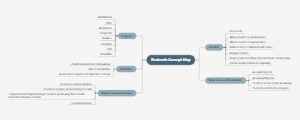
Detection method for transmembrane transporter activity in cell lines
Introduction
Definition of transmembrane transporters
Proteins that facilitate movement of substances across cell membranes
Importance of studying transporter activity
Understanding cellular uptake and efflux mechanisms
Relevance in drug development and pharmacology
Types of Transporters
Passive transporters
Facilitated diffusion
No energy expenditure
Downhill transport along concentration gradient
Active transporters
Primary active transport
Energy-dependent transport against concentration gradient
Secondary active transport
Coupled to ion gradients or other energy sources
Cell Line Selection
Criteria for choosing cell lines
Expression of transporters of interest
Relevance to disease models or physiological conditions
Commonly used cell lines
HEK293
Widely used for expression of human transporters
Caco-2
Intestinal epithelial cell line for studying drug absorption
Transporter Activity Assays
Uptake assays
Radioactive tracer studies
Use of radiolabeled substrates to measure uptake
Fluorescent dye assays
Nonradioactive method using fluorescent substrates
Efflux assays
Transporter-specific inhibitors
Blocking efflux to measure accumulation of substrates
Time-course analysis
Monitoring substrate concentration over time
Data Analysis
Kinetic parameters
Km (Michaelis constant)
Measure of substrate affinity for the transporter
Vmax (Maximum velocity)
Measure of transporter turnover rate
Statistical analysis
Comparing transporter activity under different conditions
Determining significance of observed differences
Imaging Techniques
Confocal microscopy
Visualizing transporter localization and dynamics
Fluorescence resonance energy transfer (FRET)
Assessing interactions between transporters and substrates
Challenges and Considerations
Endogenous transporter expression
Interference with assay results
Transporter regulation
Changes in activity due to cellular signaling or environmental factors
Toxicity and assay interference
Potential effects of substrates or inhibitors on cell viability
Future Directions
High-throughput screening
Development of automated assays for rapid transporter activity profiling
Computational modeling
Predicting transporter behavior using mathematical models
Personalized medicine
Tailoring drug treatment based on transporter activity in individual patients