MindMap Gallery Classification of internal anal animals
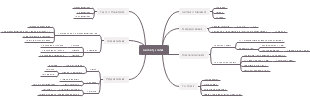
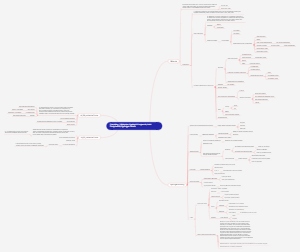
The classification of internal anal animals mainly includes Phylum Mollusca (such as snails, slugs, octopus, and squid, which have soft bodies and protective shells), Phylum Annelida (such as earthworms and leeches, which have segmented bodies and a complete digestive system), and Phylum Nematoda (such as roundworms found in soil and water, which have simple body structures and diverse habitats).
Edited at 2024-12-25 06:01:04In the introduction section, elastin is a protein that plays a crucial role in the body, endowing tissues with elasticity and toughness. Its properties include high elasticity and good ductility. Elastin has a wide range of sources and is commonly found in animal connective tissues such as skin and blood vessels. When using elastin in products, the amount and method of addition should be determined based on the characteristics of the product. It has many uses and can be added to skincare products to enhance skin elasticity and reduce wrinkles; Improving food texture and enhancing taste in the food industry; In the medical field, it can be used to make elastic scaffolds such as artificial blood vessels, providing support for tissue repair. Reasonable use can play its unique value.
This document aims to guide the proper use of proteins. Proteins are the fundamental substances that make up life and are essential for maintaining normal physiological functions in the body, with a wide variety of types. When using protein, daily diet is an important source, such as meat, eggs, etc., which are rich in high-quality protein. Measuring protein intake can be done using professional tools or methods to ensure that the intake meets the body's needs. When mixing protein powder, it should be prepared according to the recommended ratio, and the water temperature should not be too high to avoid damaging the protein activity. Different groups of people have different protein requirements, such as athletes and fitness enthusiasts who can increase their intake appropriately to meet the needs of body repair and muscle growth.
Introduction to Unsaturated Polyester Resin: It is an important thermosetting resin with various excellent properties. It has a wide range of applications and is used in the construction industry to produce fiberglass products such as doors, windows, decorative panels, etc; Used in the automotive industry for manufacturing body components. The advantages of use include simple molding process, low cost, and chemical corrosion resistance. However, it also faces challenges and limitations, such as relatively poor heat resistance and susceptibility to aging. During use, corresponding protective measures should be taken according to specific application scenarios, such as adding heat-resistant agents, antioxidants, etc., to extend their service life and fully leverage their advantages.
In the introduction section, elastin is a protein that plays a crucial role in the body, endowing tissues with elasticity and toughness. Its properties include high elasticity and good ductility. Elastin has a wide range of sources and is commonly found in animal connective tissues such as skin and blood vessels. When using elastin in products, the amount and method of addition should be determined based on the characteristics of the product. It has many uses and can be added to skincare products to enhance skin elasticity and reduce wrinkles; Improving food texture and enhancing taste in the food industry; In the medical field, it can be used to make elastic scaffolds such as artificial blood vessels, providing support for tissue repair. Reasonable use can play its unique value.
This document aims to guide the proper use of proteins. Proteins are the fundamental substances that make up life and are essential for maintaining normal physiological functions in the body, with a wide variety of types. When using protein, daily diet is an important source, such as meat, eggs, etc., which are rich in high-quality protein. Measuring protein intake can be done using professional tools or methods to ensure that the intake meets the body's needs. When mixing protein powder, it should be prepared according to the recommended ratio, and the water temperature should not be too high to avoid damaging the protein activity. Different groups of people have different protein requirements, such as athletes and fitness enthusiasts who can increase their intake appropriately to meet the needs of body repair and muscle growth.
Introduction to Unsaturated Polyester Resin: It is an important thermosetting resin with various excellent properties. It has a wide range of applications and is used in the construction industry to produce fiberglass products such as doors, windows, decorative panels, etc; Used in the automotive industry for manufacturing body components. The advantages of use include simple molding process, low cost, and chemical corrosion resistance. However, it also faces challenges and limitations, such as relatively poor heat resistance and susceptibility to aging. During use, corresponding protective measures should be taken according to specific application scenarios, such as adding heat-resistant agents, antioxidants, etc., to extend their service life and fully leverage their advantages.
Classification of internal anal animals
Phylum Chordata
Subphylum Vertebrata
Class Mammalia
Order Primates
Family Hominidae
Genus Homo
Species sapiens
Order Carnivora
Family Felidae
Genus Felis
Species catus
Order Rodentia
Family Muridae
Genus Mus
Species musculus
Phylum Arthropoda
Class Insecta
Order Coleoptera
Family Scarabaeidae
Genus Scarabaeus
Species sacer
Order Lepidoptera
Family Papilionidae
Genus Papilio
Species polyxenes
Phylum Mollusca
Class Gastropoda
Order Stylommatophora
Family Helicidae
Genus Helix
Species aspersa
Phylum Annelida
Class Polychaeta
Order Sabellida
Family Sabellidae
Genus Sabella
Species pavonina
Phylum Nematoda
Class Secernentea
Order Rhabditida
Family Rhabditidae
Genus Caenorhabditis
Species elegans
Phylum Platyhelminthes
Class Turbellaria
Order Tricladida
Family Planariidae
Genus Planaria
Species dorotocephala
Phylum Cnidaria
Class Anthozoa
Order Scleractinia
Family Acroporidae
Genus Acropora
Species millepora
Phylum Porifera
Class Demospongiae
Order Verongiida
Family Aplysinidae
Genus Aplysina
Species aerophoba
Phylum Ctenophora
Class Tentaculata
Order Cydippida
Family Cestidae
Genus Cestum
Species veneris
Phylum Echinodermata
Class Asteroidea
Order Valvatida
Family Asteriidae
Genus Asterias
Species rubens
Phylum Hemichordata
Class Enteropneusta
Order Harrimaniida
Family Harrimaniidae
Genus Balanoglossus
Species clavigerus
Phylum Chordata (cont.)
Subphylum Urochordata
Class Ascidiacea
Order Phlebobranchia
Family Ascidiidae
Genus Ascidia
Species mentula
Phylum Cnidaria (cont.)
Class Hydrozoa
Order Hydroida
Family Hydridae
Genus Hydra
Species vulgaris
Phylum Platyhelminthes (cont.)
Class Cestoda
Order Cyclophyllidea
Family Taeniidae
Genus Taenia
Species solium
Phylum Nematoda (cont.)
Class Chromadorea
Order Rhabditida (cont.)
Family Strongyloididae
Genus Strongyloides
Species stercoralis
Phylum Annelida (cont.)
Class Oligochaeta
Order Haplotaxida
Family Lumbricidae
Genus Lumbricus
Species terrestris
Phylum Mollusca (cont.)
Class Bivalvia
Order Veneroida
Family Veneridae
Genus Venerupis
Species philippinarum
Phylum Arthropoda (cont.)
Class Crustacea
Order Decapoda
Family Penaeidae
Genus Penaeus
Species monodon
Phylum Echinodermata (cont.)
Class Echinoidea
Order Clypeasteroida
Family Clypeasteridae
Genus Clypeaster
Species subdepressus
Phylum Hemichordata (cont.)
Class Pterobranchia
Order Cephalodiscida
Family Cephalodiscidae
Genus Cephalodiscus
Species dodecalophus
Phylum Porifera (cont.)
Class Hexactinellida
Order Sceptrulophora
Family Farreidae
Genus Farrea
Species occa