MindMap Gallery The application of synthetic biology in genetic modification
The application of synthetic biology in genetic modification is increasingly widespread. In medicine, it has driven the development of gene therapy, offering new possibilities for treating genetic diseases. Additionally, synthetic biology has facilitated the creation of more accurate disease models, aiding in the discovery of new drugs. In agriculture, synthetic biology techniques are used to improve crop varieties, increase crop yields, and enhance resistance to pests and diseases, providing strong support for global food security.
Edited at 2024-12-25 07:19:57In the introduction section, elastin is a protein that plays a crucial role in the body, endowing tissues with elasticity and toughness. Its properties include high elasticity and good ductility. Elastin has a wide range of sources and is commonly found in animal connective tissues such as skin and blood vessels. When using elastin in products, the amount and method of addition should be determined based on the characteristics of the product. It has many uses and can be added to skincare products to enhance skin elasticity and reduce wrinkles; Improving food texture and enhancing taste in the food industry; In the medical field, it can be used to make elastic scaffolds such as artificial blood vessels, providing support for tissue repair. Reasonable use can play its unique value.
This document aims to guide the proper use of proteins. Proteins are the fundamental substances that make up life and are essential for maintaining normal physiological functions in the body, with a wide variety of types. When using protein, daily diet is an important source, such as meat, eggs, etc., which are rich in high-quality protein. Measuring protein intake can be done using professional tools or methods to ensure that the intake meets the body's needs. When mixing protein powder, it should be prepared according to the recommended ratio, and the water temperature should not be too high to avoid damaging the protein activity. Different groups of people have different protein requirements, such as athletes and fitness enthusiasts who can increase their intake appropriately to meet the needs of body repair and muscle growth.
Introduction to Unsaturated Polyester Resin: It is an important thermosetting resin with various excellent properties. It has a wide range of applications and is used in the construction industry to produce fiberglass products such as doors, windows, decorative panels, etc; Used in the automotive industry for manufacturing body components. The advantages of use include simple molding process, low cost, and chemical corrosion resistance. However, it also faces challenges and limitations, such as relatively poor heat resistance and susceptibility to aging. During use, corresponding protective measures should be taken according to specific application scenarios, such as adding heat-resistant agents, antioxidants, etc., to extend their service life and fully leverage their advantages.
In the introduction section, elastin is a protein that plays a crucial role in the body, endowing tissues with elasticity and toughness. Its properties include high elasticity and good ductility. Elastin has a wide range of sources and is commonly found in animal connective tissues such as skin and blood vessels. When using elastin in products, the amount and method of addition should be determined based on the characteristics of the product. It has many uses and can be added to skincare products to enhance skin elasticity and reduce wrinkles; Improving food texture and enhancing taste in the food industry; In the medical field, it can be used to make elastic scaffolds such as artificial blood vessels, providing support for tissue repair. Reasonable use can play its unique value.
This document aims to guide the proper use of proteins. Proteins are the fundamental substances that make up life and are essential for maintaining normal physiological functions in the body, with a wide variety of types. When using protein, daily diet is an important source, such as meat, eggs, etc., which are rich in high-quality protein. Measuring protein intake can be done using professional tools or methods to ensure that the intake meets the body's needs. When mixing protein powder, it should be prepared according to the recommended ratio, and the water temperature should not be too high to avoid damaging the protein activity. Different groups of people have different protein requirements, such as athletes and fitness enthusiasts who can increase their intake appropriately to meet the needs of body repair and muscle growth.
Introduction to Unsaturated Polyester Resin: It is an important thermosetting resin with various excellent properties. It has a wide range of applications and is used in the construction industry to produce fiberglass products such as doors, windows, decorative panels, etc; Used in the automotive industry for manufacturing body components. The advantages of use include simple molding process, low cost, and chemical corrosion resistance. However, it also faces challenges and limitations, such as relatively poor heat resistance and susceptibility to aging. During use, corresponding protective measures should be taken according to specific application scenarios, such as adding heat-resistant agents, antioxidants, etc., to extend their service life and fully leverage their advantages.
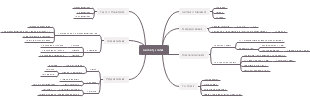
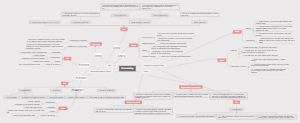
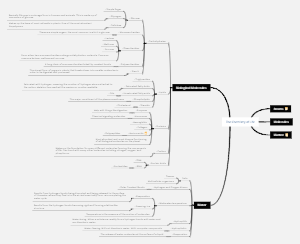
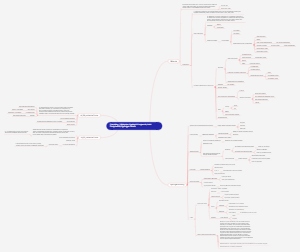
The application of synthetic biology in genetic modification
Definition of synthetic biology
Interdisciplinary field
Combines biology with engineering principles
Focuses on the design and construction of new biological parts, devices, and systems
Creation of artificial biological systems
Engineering living organisms to perform new functions
Overview of genetic modification
Alteration of an organism's DNA
Insertion, deletion, or modification of genetic material
Used to introduce new traits or characteristics
Techniques in genetic modification
CRISPR-Cas9
Precise gene editing tool
Allows for targeted modifications
Transgenic technology
Introduction of genes from one species into another
Creates transgenic organisms
Applications in medicine
Development of new drugs
Synthetic biology for drug discovery
Creation of biosynthetic pathways for drug production
Engineering microorganisms to produce therapeutic compounds
Gene therapy
Treatment of genetic disorders
Correction of disease-causing mutations
Biomedical research
Model organisms for disease studies
Engineering bacteria or yeast to mimic human diseases
Testing potential treatments in a controlled environment
Applications in agriculture
Crop improvement
Enhanced crop resistance to pests and diseases
Introduction of genes for pest resistance
Creation of crops with natural herbicide tolerance
Improved nutritional content
Biofortification of crops with essential vitamins and minerals
Engineering crops to withstand environmental stresses
Livestock breeding
Growth hormone production
Synthetic biology to optimize growth rates
Development of disease-resistant livestock
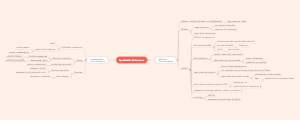
Applications in environmental science
Bioremediation
Use of genetically modified organisms to clean up pollutants
Engineering microbes to degrade toxic substances
Removal of heavy metals from contaminated sites
Biodegradable materials
Creation of microorganisms that produce biodegradable plastics
Reduction of plastic waste in the environment
Bioenergy
Production of biofuels
Engineering algae or bacteria to produce bioethanol or biodiesel
Sustainable alternative to fossil fuels
Enhanced photosynthesis
Improving the efficiency of plant photosynthesis
Increasing biomass production for bioenergy
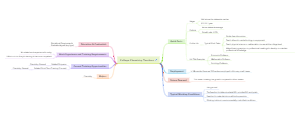
Ethical considerations
Safety and regulation
Ensuring genetically modified organisms are safe for release
Risk assessment of GMOs
Establishing guidelines and regulations
Public acceptance and awareness
Educating the public about synthetic biology and GMOs
Addressing concerns and misconceptions
Biodiversity and ecosystem impact
Potential effects on native species and ecosystems
Monitoring the spread of genetically modified organisms
Assessing the long-term ecological consequences
Gene flow and cross-contamination
Preventing unintended gene transfer to wild populations
Maintaining genetic diversity and integrity of species