MindMap Gallery care management plan
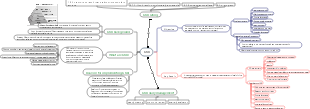
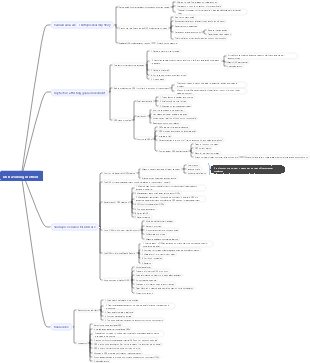
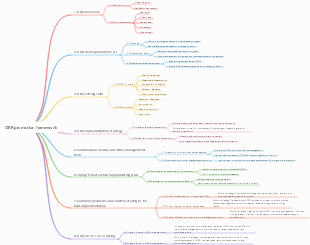
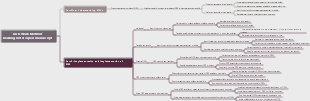
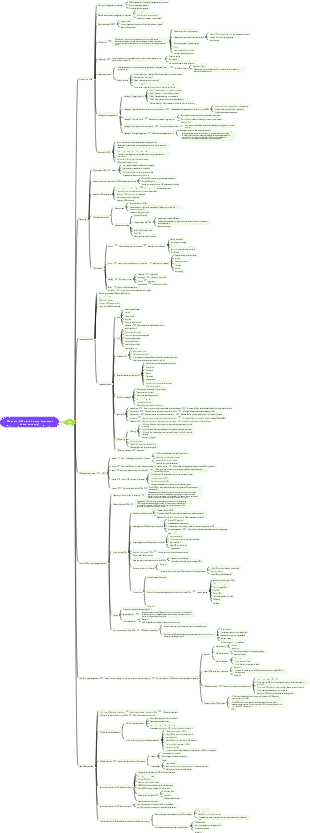
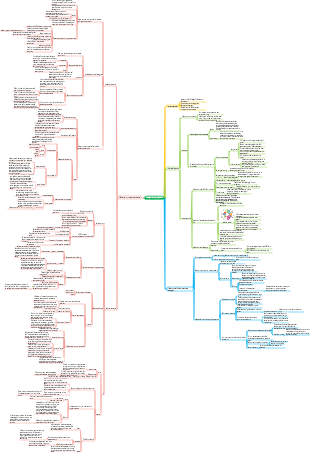
This is a mind map about the nursing management plan. The plan is based on the problems that need to be solved, scientific prediction, weighing the objective needs and subjective possibilities, and proposing the goals to be achieved in the future and the methods to achieve the goals.
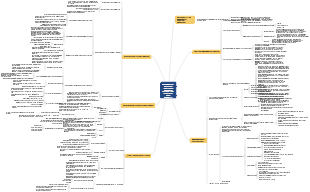
Edited at 2024-12-14 22:54:38Find a streamlined guide created using EdrawMind, showcasing the Lemon 8 registration and login flow chart. This visual tool facilitates an effortless journey for American users to switch from TikTok to Lemon 8, making the transition both intuitive and rapid. Ideal for those looking for a user-centric route to Lemon 8's offerings, our flow chart demystifies the registration procedure and emphasizes crucial steps for a hassle-free login.
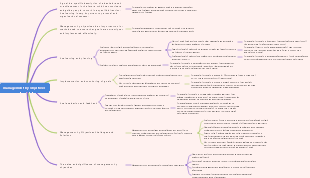
これは稲盛和夫に関するマインドマップです。私のこれまでの人生のすべての経験は、ビジネスの明確な目的と意味、強い意志、売上の最大化、業務の最小化、そして運営は強い意志に依存することを主な内容としています。
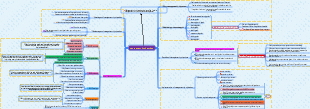
かんばんボードのデザインはシンプルかつ明確で、計画が一目で明確になります。毎日の進捗状況を簡単に記録し、月末に要約を作成して成長と成果を確認することができます。 実用性が高い:読書、早起き、運動など、さまざまなプランをカバーします。 操作簡単:シンプルなデザイン、便利な記録、いつでも進捗状況を確認できます。 明確な概要: 毎月の概要により、成長を明確に確認できます。 小さい まとめ、今月の振り返り掲示板、今月の習慣掲示板、今月のまとめ掲示板。
Find a streamlined guide created using EdrawMind, showcasing the Lemon 8 registration and login flow chart. This visual tool facilitates an effortless journey for American users to switch from TikTok to Lemon 8, making the transition both intuitive and rapid. Ideal for those looking for a user-centric route to Lemon 8's offerings, our flow chart demystifies the registration procedure and emphasizes crucial steps for a hassle-free login.
これは稲盛和夫に関するマインドマップです。私のこれまでの人生のすべての経験は、ビジネスの明確な目的と意味、強い意志、売上の最大化、業務の最小化、そして運営は強い意志に依存することを主な内容としています。
かんばんボードのデザインはシンプルかつ明確で、計画が一目で明確になります。毎日の進捗状況を簡単に記録し、月末に要約を作成して成長と成果を確認することができます。 実用性が高い:読書、早起き、運動など、さまざまなプランをカバーします。 操作簡単:シンプルなデザイン、便利な記録、いつでも進捗状況を確認できます。 明確な概要: 毎月の概要により、成長を明確に確認できます。 小さい まとめ、今月の振り返り掲示板、今月の習慣掲示板、今月のまとめ掲示板。
Chapter 3 Plan
Section 1 Overview
The concept and function of planning.
planning concept
① Planning is based on the problems that need to be solved, through scientific prediction, weighing objective needs and subjective possibilities, and proposing goals to be achieved in the future and methods to achieve them.
②The plan is usually expressed as 5W1H.
What: Decided to do?
Why: Explain why you want to do it?
When: When to start?
Who: Who will do it?
How: What means is used to complete it?
Where: Where is it done?
The role of planning
①Clear work goals.
②Effectively avoid risks.
③Improve management efficiency.
④ Conducive to control work.
Types and forms of plans
Type of plan
1. Classification according to the scale of the plan (strategic plan, tactical plan)
2. Classification by planned time (long-term plan, medium-term plan, short-term plan)
3. Classification according to the degree of constraints of the plan (commandative plan, guiding plan)
Forms of planning: goals or mission, goals, strategies, policies, procedures, rules, programs or plans, budgets.
Planning steps and applications
Steps of planning: analyze the form, determine planning goals, formulate alternatives, compare alternatives, select the best plan, formulate auxiliary plans, and prepare budgets.
Application of plans: nursing development strategic planning, nursing administration plan, nursing business plan, nursing education plan, nursing research plan.
Section 2 Management by Objectives
1. The role of goals: 1. Guiding role. Second, the relay effect. Third, cohesion. 4. Standard function.
2. The concept of management by objectives: It refers to a management method in an organization in which managers and managed people jointly participate in goal setting, exercise self-control at work, and strive to complete work goals.
3. Characteristics of management by objectives: All employees participate in management. 2. Emphasis on self-management. Thirdly, we attach great importance to management results. The fourth emphasis is on overall management.
4. The process of goal management: 1. Set goals. 2. Implementation goals. Three assessments and evaluations. Assessment and evaluation include. 1. Implement rewards and punishments for evaluation results 2. 3. Summary and evaluation.
5. Application of management by objectives: 1. Set goals that are scientific and reasonable. Second, clarify the target responsible entities. Third, emphasize self-management by all employees. Fourth, control objectives and management processes. 5. Pay attention to the assessment of work results. Sixth, ensure that all employees have a unified understanding.
Section 3 Project Management
The concept and content of project management
Concept: Project management is the application of various resources to the project through the cooperation of project stakeholders to achieve project goals and meet the needs of project stakeholders
Content: Project Project stakeholders Resources Goals Plan and schedule Requirements
2. Project management process and application
The process of project management: project proposal and selection, project identification and initiation, project planning and formulation, project implementation and control
Application of project management: determine the project management content, set up project management institutions and personnel, clarify goals and plans, clarify the role of project managers, break traditional management ideas, and strengthen project monitoring and evaluation
Section 4 Time Management
1. The concept and function of time management
(1) The concept of time management
Time management refers to a series of control work carried out to improve the utilization and efficiency of time under the same time consumption situation, including the planning and allocation of time, to ensure the smooth completion of important work and to handle emergencies in a timely manner
(2) The role of time management
①Increase the value of time.
②Use time effectively.
③Improve work efficiency.
④ Improve the concept of timeliness.
⑤ Increase the value of life.
2. The process and application of time management
1. The process of time management includes
(1) Assessment
(2) Time management methods and application
(3)Effectiveness evaluation
2. Application of time management
1. Follow a time management procedure
2. Arrange time reasonably
3. Maintain relative continuity and flexibility in time utilization
4. Learn to authorize and refuse
5. Develop good working habits
Section 5 Management Decision-making
1. Concepts and types of management decisions
(1) The concept of management decision-making
Management decision-making refers to the analysis and judgment process by which managers select appropriate solutions in order to achieve expected goals in management activities.
(2) Types of management decisions
1Divided according to the issues involved in decision-making
2Divided according to the degree of controllability of environmental factors
3Divided according to the subject of decision-making
4Divided according to the importance of decision-making
2. Principles of management decision-making
(1) Principles of management decision-making
1Comprehensive and accurate information
2. Clarify decision-making goals
3Choose the best solution
4 Comprehensive evaluation of feasibility
(2) Factors influencing management decisions
1 Objective environmental factors
2Personal factors of decision-makers
3 uncertain factors
3. Procedures and applications of management decision-making
(1) Management decision-making procedures
1 Identify the decision problem
2 Determine decision-making goals
3Evaluate alternatives
4Choose the best solution
5Implement decision-making plan
6Evaluate the effectiveness of decision-making
(2) Application of management decision-making
1Brainstorming method
2 del illegal
3Expert meeting rooms
4 Public opinion group method
5 Interactive group formulations
6Survey research method