MindMap Gallery Eight scenarios that require strong project management
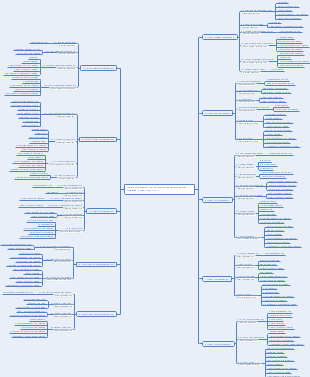
This is a mind map about the eight major scenarios in which project management requires strength. The main contents include: 8. When one's own majesty is challenged, 7. When fighting for the interests of the project team, 6. When quality standards "go downhill", 5. When the project team collaboration "lost the chain", 4. When the project progress is frequently out of control, 3. When the project resources are faced with competition, 2. When the goals are inconsistent with customer needs, 1. When the project direction deviates.
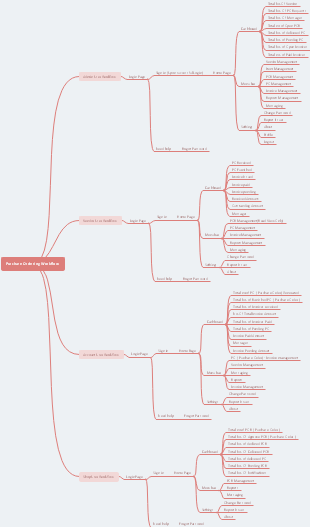
Edited at 2024-12-17 11:33:56Find a streamlined guide created using EdrawMind, showcasing the Lemon 8 registration and login flow chart. This visual tool facilitates an effortless journey for American users to switch from TikTok to Lemon 8, making the transition both intuitive and rapid. Ideal for those looking for a user-centric route to Lemon 8's offerings, our flow chart demystifies the registration procedure and emphasizes crucial steps for a hassle-free login.
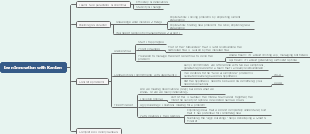
これは稲盛和夫に関するマインドマップです。私のこれまでの人生のすべての経験は、ビジネスの明確な目的と意味、強い意志、売上の最大化、業務の最小化、そして運営は強い意志に依存することを主な内容としています。
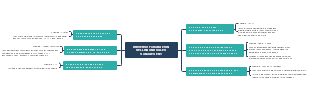
かんばんボードのデザインはシンプルかつ明確で、計画が一目で明確になります。毎日の進捗状況を簡単に記録し、月末に要約を作成して成長と成果を確認することができます。 実用性が高い:読書、早起き、運動など、さまざまなプランをカバーします。 操作簡単:シンプルなデザイン、便利な記録、いつでも進捗状況を確認できます。 明確な概要: 毎月の概要により、成長を明確に確認できます。 小さい まとめ、今月の振り返り掲示板、今月の習慣掲示板、今月のまとめ掲示板。
Find a streamlined guide created using EdrawMind, showcasing the Lemon 8 registration and login flow chart. This visual tool facilitates an effortless journey for American users to switch from TikTok to Lemon 8, making the transition both intuitive and rapid. Ideal for those looking for a user-centric route to Lemon 8's offerings, our flow chart demystifies the registration procedure and emphasizes crucial steps for a hassle-free login.
これは稲盛和夫に関するマインドマップです。私のこれまでの人生のすべての経験は、ビジネスの明確な目的と意味、強い意志、売上の最大化、業務の最小化、そして運営は強い意志に依存することを主な内容としています。
かんばんボードのデザインはシンプルかつ明確で、計画が一目で明確になります。毎日の進捗状況を簡単に記録し、月末に要約を作成して成長と成果を確認することができます。 実用性が高い:読書、早起き、運動など、さまざまなプランをカバーします。 操作簡単:シンプルなデザイン、便利な記録、いつでも進捗状況を確認できます。 明確な概要: 毎月の概要により、成長を明確に確認できます。 小さい まとめ、今月の振り返り掲示板、今月の習慣掲示板、今月のまとめ掲示板。
Eight scenarios that require strong project management
1. When the project direction deviates
1. Timely identification and response
1) Regularly check project progress and direction
Through regular project review meetings, potential problems in the project direction are discovered in a timely manner. For example, hold project review meetings weekly or monthly to understand the overall progress and approach of the project.
2) Use data analysis tools to identify deviations
Use project management tools (such as Gantt charts, project management software, etc.) to analyze project data and identify key links in direction deviations.
3) Establish an early warning mechanism to automatically remind deviations
Establish a project direction early warning mechanism. When the project deviates from the predetermined goal, an early warning is automatically triggered to remind the project manager to pay attention in time.
2. In-depth analysis of the root cause of the problem
1) Communicate with the team to diagnose problems
Communicate in depth with project team members to understand the specific reasons for direction deviations. For example, it may be changes in market demand, wrong technical routes, insufficient team execution, etc.
2) Use tools to find the root cause of the problem
Use tools such as fishbone diagrams and 5Why analysis to find the root cause of the problem. Make sure you don't just solve the superficial problems, but eliminate the hidden dangers at their root.
3) Develop response strategies based on root causes
Develop specific response strategies based on the root cause of the problem. For example, if the market demand changes, the project goals and scope can be adjusted; if the technical route is wrong, the technical solution can be re-evaluated; if the team's execution ability is insufficient, team training and management can be strengthened.
3. Readjust the project plan
1) Replan the project according to the new strategy
Re-formulate project plans based on new response strategies. Adjust the priority of key tasks to ensure that the most important tasks are completed first.
2) Optimize resource allocation
Optimize resource allocation to ensure sufficient resource support for key tasks. For example, some non-mission-critical resources can be allocated to critical tasks.
3) Break down complex tasks into small tasks
Break down complex tasks into multiple small tasks and assign them to different team members to improve task operability and speed of completion.
4. Strengthen supervision to ensure implementation
1) Regularly follow up on task completion
Track the completion of each task through regular progress reporting meetings. Detect and solve implementation problems in a timely manner.
2) On-site supervision when necessary
When necessary, personally go to the project site to supervise to ensure that all tasks are carried out as planned. Through on-site supervision, you can understand the project progress more intuitively and adjust strategies in a timely manner.
3) Establish a performance appraisal mechanism
Establish a performance appraisal mechanism to evaluate the performance of team members. Rewards are given to members who perform well, and members who perform poorly are coached and improved.
5. Communicate and adjust to win support
1) Report adjustments to superior leaders
Report the adjustment of the project direction to superior leaders in a timely manner and explain the necessity and importance of the adjustment. Support your opinions with data and facts so that leaders understand the rationale for adjustments.
2) Coordinate resources with other departments
Communicate with heads of other departments to seek resource sharing and cooperation. For example, you can propose joint procurement of equipment, shared technical support, etc. with other project teams.
3) Communicate with team members on reasons and goals for adjustments
Communicate with project team members to explain the reasons and goals for the direction adjustment and ensure team members understand and support the new direction. Enhance team cohesion and execution through transparent communication.
6. Summarize experience and continue to improve
1) Organize project review meeting
Organize project review meetings to review the causes and adjustment processes of project direction deviations, and summarize successful experiences and lessons learned from failures.
2) Develop a continuous improvement plan
Based on the review results, develop a continuous improvement plan. For example, the project management process can be optimized and the team's project management capabilities can be improved.
3) Organize experiences and lessons learned into documents for sharing
Organize the lessons learned into documents and share them with other project managers and team members to improve the project management level of the entire organization.
2. When the goals are inconsistent with customer needs
1. Accurately identify needs and clarify goals
1) Comprehensive research on customer needs through questionnaires, interviews, meetings, etc.
During the project start-up phase, we comprehensively understand customer needs and expectations through questionnaires, face-to-face interviews, customer meetings, etc. Record every detail of the customer's needs to ensure nothing is missed.
2) Conduct demand confirmation meetings with customers and use demand documents to clarify goals
Conduct requirements confirmation meetings with clients to ensure both parties have a common understanding of project goals. It can be clearly recorded in the form of requirements document (SRS) and signed by both parties for confirmation.
3) Communicate regularly and adjust project plans in a timely manner to meet changes in customer needs.
During the project implementation process, communicate with customers regularly to understand the latest changes in customer needs. Make timely adjustments to project plans to ensure projects always meet customer expectations.
2. Firmly stand and communicate effectively
1) Once any deviation from the target is discovered, immediately proactively communicate with the customer
Once target deviation is discovered, communicate with the customer immediately to explain the seriousness and possible impact of the problem. Support your arguments with professional language and data so customers understand the urgency of the issue.
2) Propose specific solutions, including adjusting the project scope, etc.
During communication, specific solutions are proposed, including adjusting the project scope, modifying the delivery schedule, increasing resource investment, etc. Ensure that the plan is practical and can meet the actual needs of customers.
3) Seek consensus through consultation and invite senior management to participate when necessary.
Through negotiation, seek to reach a consensus with the customer. If necessary, senior managers can be invited to participate in negotiations to enhance the effectiveness of communication. Ensure that the final solution not only meets the needs of the customer, but also ensures the smooth progress of the project.
3. Strengthen execution and ensure implementation
1). Develop a detailed execution plan based on new project goals.
Develop a detailed execution plan based on new project goals. Clarify the tasks, responsible persons, time points and quality standards for each stage. Use project management tools (such as Gantt charts, Kanban boards, etc.) to visualize project progress.
2) Closely monitor project progress and hold regular progress meetings
During the execution process, the progress of the project is closely monitored to ensure that every link is carried out according to plan. Hold regular project progress meetings to identify and resolve implementation problems in a timely manner.
3) Flexibly adjust plans when encountering problems or changes
During project implementation, if new problems or changes are encountered, the plan must be adjusted in a timely manner to ensure that the project is always moving in the right direction. Be flexible but stay within your overall goals.
4. Build trust and maintain relationships
1) Maintain transparent communication and report project progress in a timely manner
Maintain transparent communication with customers during project implementation. Report project progress promptly and share successes and challenges. Let customers feel that you are professional and responsible.
2) Actively respond to customer feedback and suggestions
Respond positively to customer feedback and suggestions. Even negative feedback should be taken seriously, learn from it, and improve your work.
3) Lay the foundation for long-term cooperation through high-quality services and good cooperation experience.
Through high-quality services and good cooperation experience, we lay the foundation for long-term cooperation in the future. After the project is completed, conduct a project summary and customer satisfaction survey to understand customers' feelings and suggestions and continuously improve project management capabilities.
3. When project resources face competition
1. Comprehensively assess resource needs and set priorities
1) Needs assessment
During the project initiation phase, the various resources required for the project are listed in detail, including manpower, funds, equipment, technology, etc. Evaluate how much each resource is needed and when it will be used.
2) Prioritization
Prioritize resource needs based on project priorities and key milestones. Ensure that the most critical tasks and phases receive priority resource support.
3) Risk analysis
Identify risks that may arise from resource shortages and formulate corresponding risk management plans. For example, alternative resources, alternatives, etc. can be considered.
2. Actively communicate and gain support
1), high-level report
Regularly report project progress and resource requirements to superior leaders, explaining the impact that resource shortages may have on the project. Support your opinions with data and facts so leaders understand the importance of resources.
2), cross-department coordination
Communicate with heads of other departments to seek resource sharing and cooperation. For example, you can propose joint procurement of equipment, sharing of human resources, etc. with other project teams.
3) Stakeholder meetings
Organize project stakeholder meetings to discuss resource allocation issues. Through brainstorming, a solution acceptable to all parties is found.
3. Strengthen internal management and improve resource utilization
1), optimize the process
Review the project process to identify bottlenecks and inefficiencies and optimize them. For example, the work efficiency of the project team can be improved by introducing agile management methods.
2), training team
Provide training to project teams to improve their skills and efficiency. For example, technical training, project management training, etc. can be organized to improve the overall capabilities of the team.
3) Incentive mechanism
Establish an effective incentive mechanism to encourage team members to use resources efficiently. For example, you can set up performance bonuses, selection of outstanding employees, etc. to stimulate team enthusiasm.
4. Resolutely safeguard project interests and reasonably strive for resources
1), clear position
In the competition for resources, you must make your position clear and firmly express the project's resource needs. Support your claims with facts and figures so that the other party understands the importance of the resource to the project.
2) Negotiation skills
Use negotiation skills to maximize resources. For example, you can adopt a mutually beneficial strategy and come up with a win-win solution.
3) Emergency measures
Develop contingency measures to ensure that critical project tasks can continue when resources cannot meet demand. For example, the project plan can be adjusted to prioritize key tasks or find alternative resources.
5. Build trust and maintain good relationships
1), transparent communication
In the process of resource competition, maintain transparent communication with all parties. Provide timely reporting on resource allocation and share project progress and challenges. Let all parties feel that you are professional and responsible.
2), positive feedback
Respond positively to feedback and suggestions from all parties. Even negative feedback should be taken seriously, learn from it, and improve your work.
3), long-term cooperation
Through high-quality services and good cooperation experience, we lay the foundation for long-term cooperation in the future. After the project is completed, conduct a project summary and stakeholder satisfaction survey to understand the feelings and suggestions of all parties and continuously improve project management capabilities.
4. When project progress frequently gets out of control
1. Identify problems promptly and respond quickly
1), regular inspection
Identify potential problems in a timely manner through regular project progress inspections. For example, hold project progress meetings weekly or monthly to understand the completion status of each task.
2), data analysis
Use project management tools (such as Gantt charts, project management software, etc.) to analyze project progress data and identify key tasks and links that cause schedule delays.
3), early warning mechanism
Establish a project progress early warning mechanism. When the progress of a certain task or phase exceeds the scheduled time, an early warning is automatically triggered to remind the project manager to pay attention in time.
2. Analyze root causes and formulate response strategies
1), problem diagnosis
Communicate deeply with project team members to understand the specific reasons for schedule delays. For example, it may be insufficient resources, excessive task complexity, external interference, etc.
2) Root cause analysis
Use tools such as fishbone diagrams and 5 Why analysis to find the root cause of the problem. Make sure you don't just solve the superficial problems, but eliminate the hidden dangers at their root.
3), formulate countermeasures
Develop specific response strategies based on the root cause of the problem. For example, if resources are insufficient, you can apply for more resources; if the task complexity is too high, you can break down the tasks and increase manpower; if there is external interference, you can coordinate with relevant departments to reduce interference.
3. Adjust project plans and optimize resource allocation
1), rescheduling
Rearrange project plans based on new response strategies. Adjust the priority of key tasks to ensure that the most important tasks are completed first.
2), resource allocation
Optimize resource allocation to ensure sufficient resource support for key tasks. For example, some non-mission-critical resources can be allocated to critical tasks.
3), task decomposition
Break down complex tasks into multiple small tasks and assign them to different team members to improve task operability and speed of completion.
4. Strengthen supervision and ensure implementation
1), follow up regularly
Track the completion of each task through regular progress reporting meetings. Detect and solve implementation problems in a timely manner.
2) On-site supervision
When necessary, personally go to the project site to supervise to ensure that all tasks are carried out as planned. Through on-site supervision, you can understand the project progress more intuitively and adjust strategies in a timely manner.
3), performance appraisal
Establish a performance appraisal mechanism to evaluate the performance of team members. Rewards are given to members who perform well, and members who perform poorly are coached and improved.
5. Motivate the team and improve morale
1) Positive incentives
Motivate team members through praise, rewards, etc. For example, you can commend team members with outstanding performance at project meetings, or set up a "Best Contribution Award".
2) Psychological support
Care about the psychological state of team members and provide necessary psychological support. For example, team building activities can be organized to relieve the pressure of team members and enhance team cohesion.
3), transparent communication
Maintain transparent communication with team members and share the latest progress and adjustment plans of the project in a timely manner. Let team members understand the overall situation of the project and enhance their confidence and sense of responsibility.
6. Sum up experience and continue to improve
1). Project review
Organize project review meetings to review the reasons and countermeasures for out-of-control project progress, and summarize successful experiences and lessons learned from failures.
2), continuous improvement
Based on the review results, develop a continuous improvement plan. For example, the project management process can be optimized and the team's project management capabilities can be improved.
3), knowledge sharing
Organize the lessons learned into documents and share them with other project managers and team members to improve the project management level of the entire organization.
5. When project team collaboration “drops the chain”
1. Timely identify collaboration issues and respond quickly
1), regular inspection
Identify potential problems in team collaboration in a timely manner through regular team meetings and project progress checks. For example, hold team meetings weekly or monthly to understand the work progress and collaboration of each member.
2), communication and feedback
Encourage open communication among team members and provide timely feedback on issues in collaboration. For example, you can set up anonymous feedback channels to allow team members to express their opinions and suggestions freely.
3), data analysis
Use project management tools (such as project management software, collaboration platforms, etc.) to analyze team collaboration data and identify links with low collaboration efficiency.
2. Conduct in-depth analysis of the root causes of problems and formulate response strategies
1), problem diagnosis
Communicate deeply with team members to understand the specific causes of collaboration issues. For example, it could be poor communication, unclear responsibilities, uneven distribution of resources, etc.
2) Root cause analysis
Use tools such as fishbone diagrams and 5 Why analysis to find the root cause of the problem. Make sure you don't just solve the superficial problems, but eliminate the hidden dangers at their root.
3), formulate countermeasures
Develop specific response strategies based on the root cause of the problem. For example, if there is poor communication, team communication training can be strengthened; if responsibilities are unclear, the division of labor can be redefined; if resource allocation is uneven, resource allocation can be optimized.
3. Optimize the team structure and clarify the division of responsibilities
1) Reorganize the team
Realign the team structure based on project needs and team member capabilities. For example, members with similar skills can be organized into groups to improve collaboration efficiency.
2) Clarify responsibilities
Redefine the responsibilities and tasks of each team member to ensure that everyone is clear about their work content and goals. For example, a detailed job description can be developed to clarify the scope of responsibilities of each role.
3), regular evaluation
Regularly evaluate the work performance and collaboration effects of team members, and adjust the team structure and division of responsibilities in a timely manner. For example, you can conduct team reviews every quarter and make adjustments based on the results.
4. Strengthen team communication and promote information sharing
1), regular meetings
Hold regular team meetings to discuss project progress, issues and solutions. For example, a team meeting can be held weekly to ensure that every member is kept informed of project developments.
2), communication training
Organize team communication training to improve team members’ communication abilities and skills. For example, professional communication trainers can be invited to provide training to team members.
3), information platform
Utilize project management software and collaboration platforms to facilitate information sharing among team members. For example, you can use tools such as Slack and Trello to facilitate communication and collaboration among team members.
5. Motivate the team and improve morale
1) Positive incentives
Motivate team members through praise, rewards, etc. For example, you can commend outstanding members at team meetings, or set up a "Best Team Collaboration Award".
2) Psychological support
Care about the psychological state of team members and provide necessary psychological support. For example, team building activities can be organized to relieve the pressure of team members and enhance team cohesion.
3), transparent communication
Maintain transparent communication with team members and share the latest progress and adjustment plans of the project in a timely manner. Let team members understand the overall situation of the project and enhance their confidence and sense of responsibility.
6. Build trust and maintain good relationships
1), fair and just
When dealing with team issues, be fair and impartial and not take sides. Make sure every team member feels treated fairly.
2), positive feedback
Respond positively to feedback and suggestions from team members. Even negative feedback should be taken seriously, learn from it, and improve your work.
3), long-term cooperation
Through high-quality services and good cooperation experience, we lay the foundation for long-term cooperation in the future. After the project is completed, conduct a project summary and team member satisfaction survey to understand team members’ feelings and suggestions and continuously improve project management capabilities.
6. When quality standards “go downhill”
1. Timely identify quality problems and respond quickly
1), regular inspection
Through regular quality inspections and audits, potential quality problems are discovered in a timely manner. For example, hold quality inspection meetings weekly or monthly to understand the quality status of each task.
2), data analysis
Use project management tools (such as quality management software, defect tracking systems, etc.) to analyze project quality data and identify key links where quality declines.
3), early warning mechanism
Establish a project quality early warning mechanism. When the quality indicator of a certain task or stage is lower than the predetermined standard, an early warning is automatically triggered to remind the project manager to pay attention in time.
2. Conduct in-depth analysis of the root causes of problems and formulate response strategies
1), problem diagnosis
Communicate in depth with project team members to understand the specific causes of quality issues. For example, it may be that the process flow is unreasonable, personnel skills are insufficient, resources are insufficient, etc.
2) Root cause analysis
Use tools such as fishbone diagrams and 5 Why analysis to find the root cause of the problem. Make sure you don't just solve the superficial problems, but eliminate the hidden dangers at their root.
3), formulate countermeasures
Develop specific response strategies based on the root cause of the problem. For example, if the process flow is unreasonable, the process flow can be optimized; if the personnel skills are insufficient, training can be provided; if resources are insufficient, more resources can be applied for.
3. Optimize the quality management system and improve quality standards
1), improve the quality plan
Revisit the project's quality plan to ensure that each link has clear quality standards and checkpoints. For example, detailed quality inspection processes and standards can be developed.
2), training team
Provide quality training to the project team to improve the quality awareness and skills of team members. For example, quality management training, process training, etc. can be organized.
3), introduce quality tools
Introduce advanced quality management and testing tools to improve the efficiency and accuracy of quality control. For example, you can use quality management software, automated testing tools, etc.
4. Strengthen quality supervision and ensure implementation
1), regular review
Track the quality status of each task through regular quality audits. Detect and solve implementation problems in a timely manner.
2), on-site inspection
When necessary, go to the project site in person to conduct quality inspections to ensure that all tasks are performed according to quality standards. Through on-site inspections, we can more intuitively understand the project quality status and adjust strategies in a timely manner.
3), performance appraisal
Establish a quality performance appraisal mechanism to evaluate the quality performance of team members. Rewards are given to members who perform well, and members who perform poorly are coached and improved.
5. Motivate the team and enhance quality awareness
1) Positive incentives
Motivate team members through praise, rewards, etc. For example, team members with outstanding quality performance can be commended at project meetings, or a "Best Quality Award" can be established.
2) Psychological support
Care about the psychological state of team members and provide necessary psychological support. For example, team building activities can be organized to relieve the pressure of team members and enhance team cohesion.
3), transparent communication
Maintain transparent communication with team members and share project quality status and improvement plans in a timely manner. Let team members understand the overall quality of the project and enhance their quality awareness and sense of responsibility.
6. Sum up experience and continue to improve
1). Project review
Organize project review meetings to review the causes and countermeasures for the decline in project quality standards, and summarize successful experiences and lessons learned from failures.
2), continuous improvement
Based on the review results, develop a continuous improvement plan. For example, the quality management system can be optimized and the team's quality management capabilities can be improved.
3), knowledge sharing
Organize the lessons learned into documents and share them with other project managers and team members to improve the quality management level of the entire organization.
7. When fighting for the interests of the project team
1. Comprehensively assess the team’s needs and formulate a plan to achieve success
1) Needs assessment
Gain an in-depth understanding of the actual needs of the project team, including resource requirements, technical support, training opportunities, incentives, etc. Ensure comprehensiveness and accuracy of requirements through communication with team members.
2) Prioritization
Prioritize the benefits that need to be achieved based on the priority of the project and the urgency of the team's needs. Ensure that the most important and urgent needs are met first.
3), make plans
Develop a detailed campaign plan, including campaign goals, strategies, steps and timetable. Ensure the feasibility and operability of the plan.
2. Actively communicate and gain support
1), high-level report
Regularly report project progress and team needs to superior leaders, explaining the necessity and importance of striving for benefits. Support your opinions with data and facts so leaders understand the legitimacy of the team’s needs.
2), cross-department coordination
Communicate with heads of other departments to seek resource sharing and cooperation. For example, you can propose joint procurement of equipment, shared technical support, etc. with other project teams.
3) Stakeholder meetings
Organize project stakeholder meetings to discuss team needs and resource allocation issues. Through brainstorming, a solution acceptable to all parties is found.
3. Firmly stand and fight reasonably
1), clear position
In the process of striving for interests, you must make your position clear and firmly express the needs of the team. Support your claims with facts and figures so that the other party understands the legitimacy of the team's needs.
2) Negotiation skills
Use negotiation skills to maximize interests. For example, you can adopt a mutually beneficial strategy and come up with a win-win solution.
3) Emergency measures
Develop contingency measures to ensure that the team's basic needs are met when resources cannot fully meet demand. For example, the project plan can be adjusted to prioritize key tasks or find alternative resources.
4. Provide data support and enhance persuasiveness
1), data collection
Collect relevant data and cases to prove the rationality and necessity of the team's needs. For example, project progress reports, cost analysis, benefit forecasts, etc. can be provided.
2), case sharing
Collect relevant data and cases to prove the rationality and necessity of the team's needs. For example, project progress reports, cost analysis, benefit forecasts, etc. can be provided.
3) Risk analysis
Analyze the possible risks and consequences if the team's needs are not met, so that the other party understands the urgency of supporting the team. For example, it can be explained that insufficient resources may lead to project delays, reduced quality, etc.
5. Build trust and maintain good relationships
1), transparent communication
Maintain transparent communication with all parties and report project progress and team needs in a timely manner. Let all parties know the overall situation of the project and enhance their trust and support.
2), positive feedback
Respond positively to feedback and suggestions from all parties. Even negative feedback should be taken seriously, learn from it, and improve your work.
3), long-term cooperation
Through high-quality services and good cooperation experience, we lay the foundation for long-term cooperation in the future. After the project is completed, conduct a project summary and stakeholder satisfaction survey to understand the feelings and suggestions of all parties and continuously improve project management capabilities.
6. Motivate the team and improve morale
1) Positive incentives
Motivate team members through praise, rewards, etc. For example, you can commend team members with outstanding performance at project meetings, or set up a "Best Team Contribution Award".
2) Psychological support
Care about the psychological state of team members and provide necessary psychological support. For example, team building activities can be organized to relieve the pressure of team members and enhance team cohesion.
3), transparent communication
Maintain transparent communication with team members and timely share the benefits achieved and the latest progress of the project. Let team members understand the overall situation of the project and enhance their confidence and sense of responsibility.
8. When one’s dignity is challenged
1. Clarify the rules and strictly enforce them
1), rule formulation
During the project startup phase, work with team members to develop a clear project management system, including task allocation, time management, quality control, etc. Ensure the rationality and feasibility of the rules.
2), training for all staff
Train all team members on the project management system and ensure everyone has a clear understanding of the rules. This can be through training sessions, manuals, etc.
3). Strict implementation
Once rules are established, they must be strictly enforced without exception. Any violation of the rules, no matter how big or small, must be dealt with promptly. The handling process must be fair, fair, and open, so that all members can see the consequences of violating the rules.
2. Make decisive decisions and dare to take responsibility
1), quick response
When you find someone violating the rules or challenging the authority of management, take immediate action and make quick decisions. Avoid procrastination and prevent the problem from getting worse.
2), clear position
When dealing with issues, express your position firmly and clearly identify violations and their consequences. Support your decisions with facts and data to ensure they are sound.
3), transparent communication
Maintain transparency and timely communication with team members during the decision-making process. Explain the reasons and basis for decisions and strive for the understanding and support of team members. Transparent communication helps enhance team cohesion
3. Strengthen supervision and ensure implementation
1), regular inspection
Track the completion of each task through regular progress reporting meetings. Detect and solve implementation problems in a timely manner.
2) On-site supervision
When necessary, personally go to the project site to supervise to ensure that all tasks are carried out as planned. Through on-site supervision, you can understand the project progress more intuitively and adjust strategies in a timely manner.
3), performance appraisal
Establish a performance appraisal mechanism to evaluate the performance of team members. Rewards are given to members who perform well, and members who perform poorly are coached and improved.
4. Build trust and win support
1), lead by example
As a project manager, you must set an example and strictly abide by the project management system. Your words and actions will have a positive impact on your team.
2) Listen to feedback
Encourage team members to provide comments and suggestions and listen carefully to their feedback. Even if there are questions about the authority of management, we must listen patiently and look for opportunities for improvement.
3) Psychological support
Care about the psychological state of team members and provide necessary psychological support. For example, team building activities can be organized to relieve the pressure of team members and enhance team cohesion.
5. Motivate the team and improve morale
1) Positive incentives
Motivate team members through praise, rewards, etc. For example, you can commend team members with outstanding performance at project meetings, or set up a "Best Contribution Award".
2) Transparent communication
Maintain transparent communication with team members and share the latest progress and adjustment plans of the project in a timely manner. Let team members understand the overall situation of the project and enhance their confidence and sense of responsibility.
3), training and development
Provide training and development opportunities to help team members improve their skills and career development. This not only improves the overall capabilities of the team, but also enhances their sense of identification and belonging to the project.
6. Sum up experience and continue to improve
1). Project review
Organize a project review meeting to review the reasons and countermeasures for challenges to management authority, and summarize successful experiences and lessons learned from failures.
2), continuous improvement
Based on the review results, develop a continuous improvement plan. For example, the project management system can be optimized and the team's project management capabilities can be improved.
3), knowledge sharing
Organize the lessons learned into documents and share them with other project managers and team members to improve the project management level of the entire organization.