MindMap Gallery Dietary habits in medieval America
Dietary habits in medieval America centered around staple foods such as corn, beans, squash, and venison. Food variety was limited, resulting in a monotonous diet. Preservation methods such as smoking, drying, and salting were common. Subsistence farming was the norm, with little surplus produced. Occasional feasts during celebrations or special occasions provided an opportunity for large meals.
Edited at 2025-01-10 10:12:51In the introduction section, elastin is a protein that plays a crucial role in the body, endowing tissues with elasticity and toughness. Its properties include high elasticity and good ductility. Elastin has a wide range of sources and is commonly found in animal connective tissues such as skin and blood vessels. When using elastin in products, the amount and method of addition should be determined based on the characteristics of the product. It has many uses and can be added to skincare products to enhance skin elasticity and reduce wrinkles; Improving food texture and enhancing taste in the food industry; In the medical field, it can be used to make elastic scaffolds such as artificial blood vessels, providing support for tissue repair. Reasonable use can play its unique value.
This document aims to guide the proper use of proteins. Proteins are the fundamental substances that make up life and are essential for maintaining normal physiological functions in the body, with a wide variety of types. When using protein, daily diet is an important source, such as meat, eggs, etc., which are rich in high-quality protein. Measuring protein intake can be done using professional tools or methods to ensure that the intake meets the body's needs. When mixing protein powder, it should be prepared according to the recommended ratio, and the water temperature should not be too high to avoid damaging the protein activity. Different groups of people have different protein requirements, such as athletes and fitness enthusiasts who can increase their intake appropriately to meet the needs of body repair and muscle growth.
Introduction to Unsaturated Polyester Resin: It is an important thermosetting resin with various excellent properties. It has a wide range of applications and is used in the construction industry to produce fiberglass products such as doors, windows, decorative panels, etc; Used in the automotive industry for manufacturing body components. The advantages of use include simple molding process, low cost, and chemical corrosion resistance. However, it also faces challenges and limitations, such as relatively poor heat resistance and susceptibility to aging. During use, corresponding protective measures should be taken according to specific application scenarios, such as adding heat-resistant agents, antioxidants, etc., to extend their service life and fully leverage their advantages.
In the introduction section, elastin is a protein that plays a crucial role in the body, endowing tissues with elasticity and toughness. Its properties include high elasticity and good ductility. Elastin has a wide range of sources and is commonly found in animal connective tissues such as skin and blood vessels. When using elastin in products, the amount and method of addition should be determined based on the characteristics of the product. It has many uses and can be added to skincare products to enhance skin elasticity and reduce wrinkles; Improving food texture and enhancing taste in the food industry; In the medical field, it can be used to make elastic scaffolds such as artificial blood vessels, providing support for tissue repair. Reasonable use can play its unique value.
This document aims to guide the proper use of proteins. Proteins are the fundamental substances that make up life and are essential for maintaining normal physiological functions in the body, with a wide variety of types. When using protein, daily diet is an important source, such as meat, eggs, etc., which are rich in high-quality protein. Measuring protein intake can be done using professional tools or methods to ensure that the intake meets the body's needs. When mixing protein powder, it should be prepared according to the recommended ratio, and the water temperature should not be too high to avoid damaging the protein activity. Different groups of people have different protein requirements, such as athletes and fitness enthusiasts who can increase their intake appropriately to meet the needs of body repair and muscle growth.
Introduction to Unsaturated Polyester Resin: It is an important thermosetting resin with various excellent properties. It has a wide range of applications and is used in the construction industry to produce fiberglass products such as doors, windows, decorative panels, etc; Used in the automotive industry for manufacturing body components. The advantages of use include simple molding process, low cost, and chemical corrosion resistance. However, it also faces challenges and limitations, such as relatively poor heat resistance and susceptibility to aging. During use, corresponding protective measures should be taken according to specific application scenarios, such as adding heat-resistant agents, antioxidants, etc., to extend their service life and fully leverage their advantages.
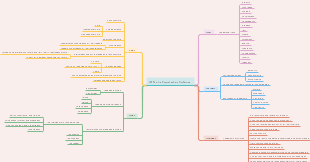
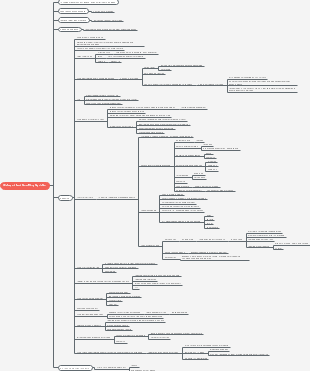
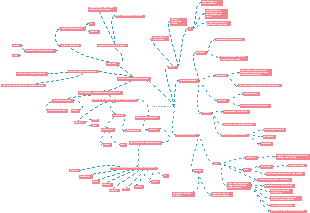
Dietary habits in medieval America
Food Sources
Native crops
Maize (corn)
Staple crop
Used in various dishes
Beans
Protein source
Companion planting with maize
Squash
Nutritional value
Storing for winter
Hunting and fishing
Game meats
Deer
Rabbit
Fish and seafood
Rivers and lakes
Coastal areas
Gathering
Wild fruits and berries
Seasonal availability
Nutritional supplements
Nuts and seeds
Energy source
Long storage life
Cooking Methods
Open fire cooking
Roasting
Meats
Root vegetables
Boiling
Soups and stews
Cooking grains
Earth ovens
Baking breads
Cooking root vegetables
Smoking and drying
Preserving meats
Flavor enhancement
Meal Patterns
Daily meals
Breakfast
Light meal
Often cold
Lunch
Heavier meal
May include leftovers
Dinner
Main meal of the day
Often shared with community
Feasts and celebrations
Harvest festivals
Abundance of food
Community bonding
Rituals and ceremonies
Spiritual significance
Special dishes
Social Aspects
Communal eating
Shared resources
Strengthening social bonds
Division of labor
Gender roles
Women cooking and gathering
Men hunting and fishing
Age-related tasks
Children gathering
Elders teaching
Trade and exchange
Food as currency
Sharing of crops and recipes
Nutritional Considerations
Seasonal eating
Availability of food
Adaptation to seasons
Health and disease
Nutritional deficiencies
Limited variety
Seasonal shortages
Impact of agriculture
Over-reliance on certain crops
Potential for famine
Cultural Influences
European contact
Introduction of new foods
Wheat
Domesticated animals
Changes in cooking methods
Baking
Use of spices
African influences
Slavery and cuisine
Forced migration
Introduction of new cooking styles
Fusion of flavors
Adaptation of traditional dishes
Creation of new recipes
Regional Variations
Geographic differences
Coastal vs. inland diets
Access to seafood
Types of crops grown
Climate impact
Crops that thrive in different climates
Seasonal variations in diet
Ethnic and tribal customs
Distinct culinary traditions
Use of local herbs and spices
Unique cooking techniques
Cultural exchange
Adoption of new foods
Adaptation of old recipes