MindMap Gallery Learning Program
The learning program includes a detailed course structure, with various assessment methods such as assignments, exams, and projects, combined with teaching methods such as online lectures, offline seminars, and practical operations, aiming to enable students to master specific knowledge and skills and achieve learning goals.
Edited at 2025-01-11 21:01:39AI in your laboratory "mind map: The laboratory is actively developing artificial intelligence to drive the transformation of laboratory work. Artificial intelligence has many practical applications in laboratories, such as testing data processing, improving efficiency and accuracy. In the future, laboratory artificial intelligence is full of potential, but also faces challenges such as technological updates and data security. Continuous exploration and innovation are needed to overcome challenges and enable AI to better serve the scientific research work in the laboratory.

The mind map revolves around a case of a lost laptop, spreading like ripples. According to reports, this incident occurred in a secure office environment, breaking the calm. By comparing with the sample and conducting in-depth analysis based on organizational rules, the importance of risk management and safety attributes is highlighted. It not only warns companies to improve their security systems, but also reminds employees to remain vigilant at all times, providing a comprehensive and profound thinking path for preventing such incidents from happening again.
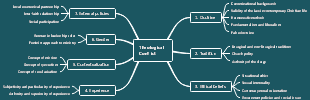
This IATF 16949 update highlights: Expanded Eligibility to software developers; Mandatory R&D functions at all sites; Stricter Conflict of Interest rules; Hybrid Audit Cycle adoption. Transition matrices compare old/new clauses with 12-month implementation timelines. Redlined documents show exact wording changes for each of the 37 modified articles.
AI in your laboratory "mind map: The laboratory is actively developing artificial intelligence to drive the transformation of laboratory work. Artificial intelligence has many practical applications in laboratories, such as testing data processing, improving efficiency and accuracy. In the future, laboratory artificial intelligence is full of potential, but also faces challenges such as technological updates and data security. Continuous exploration and innovation are needed to overcome challenges and enable AI to better serve the scientific research work in the laboratory.
The mind map revolves around a case of a lost laptop, spreading like ripples. According to reports, this incident occurred in a secure office environment, breaking the calm. By comparing with the sample and conducting in-depth analysis based on organizational rules, the importance of risk management and safety attributes is highlighted. It not only warns companies to improve their security systems, but also reminds employees to remain vigilant at all times, providing a comprehensive and profound thinking path for preventing such incidents from happening again.
This IATF 16949 update highlights: Expanded Eligibility to software developers; Mandatory R&D functions at all sites; Stricter Conflict of Interest rules; Hybrid Audit Cycle adoption. Transition matrices compare old/new clauses with 12-month implementation timelines. Redlined documents show exact wording changes for each of the 37 modified articles.
Learning Program
Learning Objectives
Define the skills and knowledge to be acquired
Identify specific competencies
Set measurable targets
Align objectives with industry standards
Research relevant industry competencies
Ensure objectives meet accreditation requirements
Create a roadmap for learner assessment
Outline key milestones for learners
Develop a timeline for achieving objectives
Course Structure
Outline of main course modules
Divide content into logical sections
Ensure a progressive learning path
Integration of different content types
Use lectures, practical exercises, and discussions
Mix theoretical knowledge with hands-on experience
Include supplementary materials
Provide reading lists and resource recommendations
Offer additional online resources (videos, articles)
Assessment Methods
Establish different types of assessments
Use quizzes and tests for factual knowledge
Incorporate projects and presentations for applied skills
Implement both formative and summative assessments
Offer ongoing feedback through formative assessments
Conduct final evaluations for overall performance
Ensure assessments align with learning objectives
Use rubrics to maintain consistency and fairness
Review assessments regularly for relevance
Learning Materials
Compile a list of required resources
Include textbooks, online articles, and e-learning modules
Ensure all materials are up-to-date and relevant
Develop custom materials
Create your own worksheets and handouts
Use case studies and real-world examples
Utilize technology in learning materials
Offer interactive content (videos, quizzes)
Provide access to online learning platforms
Target Audience
Identify demographic characteristics
Age range, educational background, and professional experience
Consider cultural background and learning preferences
Assess the needs and expectations of the audience
Conduct surveys or focus groups before program design
Tailor content to meet the audience’s interests
Understand potential barriers to learning
Address issues such as time constraints or differing skill levels
Provide support systems for learners with challenges
Delivery Methods
Choose appropriate delivery formats
Consider in-person, online, or hybrid models
Evaluate the benefits and challenges of each method
Incorporate active learning techniques
Use group work, discussions, and hands-on practice
Encourage peer collaboration and interaction
Leverage technology for delivery
Use webinars, learning management systems (LMS)
Explore mobile learning and gamification options
Duration and Schedule
Set a realistic timeline for the program
Consider the depth and breadth of content
Align with learner availability and commitment
Create a class schedule
Plan session frequency (weekly, bi-weekly)
Allow flexibility for holidays and breaks
Monitor and adjust the schedule as needed
Gather feedback from participants
Be responsive to the needs of learners
Instructor Qualifications
Define the necessary qualifications for instructors
Require relevant academic degrees and professional experience
Set expectations for expertise in subject matter
Evaluate teaching and communication skills
Assess previous teaching experience and methods
Conduct interviews or teaching demonstrations
Provide professional development opportunities for instructors
Encourage attendance at workshops and conferences
Foster a culture of continuous improvement
Feedback Mechanisms
Establish channels for learner feedback
Use surveys or feedback forms post-session
Create an open-door policy for discussing concerns
Analyze feedback for program improvement
Compile and review feedback regularly
Use insights to make adjustments to curriculum and delivery
Implement a system for instructor feedback
Allow instructors to voice their challenges and suggestions
Foster a collaborative environment for all staff
Enrollment Process
Outline clear steps for enrollment
Include application forms and deadlines
Provide clear instructions on prerequisites, if any
Offer assistance during the enrollment phase
Have dedicated staff to answer queries
Provide resources to guide potential learners
Monitor and evaluate enrollment effectiveness
Track enrollment numbers and demographics
Adjust marketing strategies based on analysis