MindMap Gallery The influence of the Silk Road on the spread of religions in the East and the West

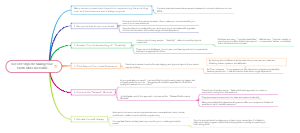
The influence of the Silk Road on the spread of religions in the East and the West

The Silk Road was not only an important trade route between the East and the West in ancient times but also a bridge for the spread of religious cultures. Buddhism traveled from India to China and then further westward through the Silk Road to Central Asia, West Asia, and even Europe, exerting a profound influence along the way. Islam also spread through the Silk Road to Central Asia and western China, promoting the widespread dissemination of Islamic culture. Meanwhile, the Nestorian branch of Christianity entered China through the Silk Road, forming a unique Nestorian Christian culture. Additionally, Zoroastrianism, a Persian religion, influenced Central Asia and Xinjiang in China through the Silk Road. The opening of the Silk Road not only facilitated the spread of religions but also deepened cultural exchanges and fusion between the East and the West, making significant contributions to the progress of human civilization.

Edited at 2025-01-19 03:26:16
WSjgeRkp
WSjgeRkp

The influence of the Silk Road on the spread of religions in the East and the West

WSjgeRkp
WSjgeRkp
  • Recommended to you
  • Outline