MindMap Gallery 80KG fat loss (roughly)
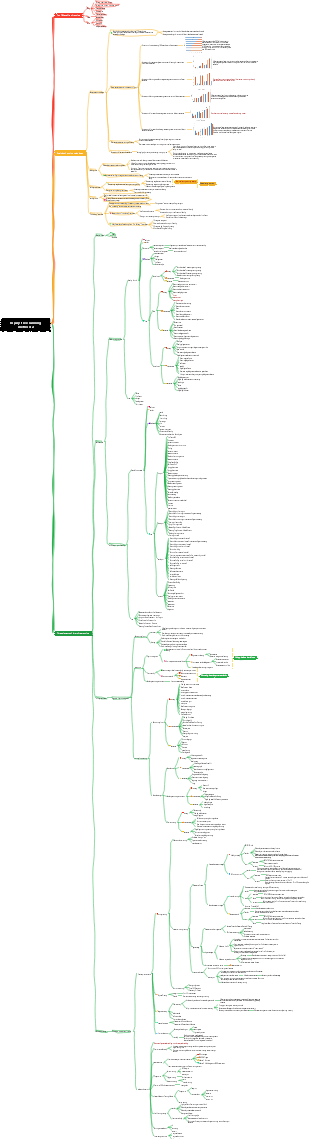
This is a mind map about 80KG fat loss (roughly), the main contents include: night shift, day shift. Help everyone maintain good health and improve their quality of life through reasonable diet combinations, proper exercise and good living habits.
Edited at 2025-02-05 21:57:48In order to help everyone use DeepSeek more efficiently, a collection of DeepSeek guide mind map was specially compiled! This mind map summarizes the main contents: Yitu related links, DS profile analysis, comparison of DeepSeek and ChatGPT technology routes, DeepSeek and Qwen model deployment guide, how to make more money with DeepSeek, how to play DeepSeek, DeepSeek scientific research Application, how to import text from DeepSeek into MindMaster, the official recommendation of DeepSeek Wait, allowing you to quickly grasp the essence of AI interaction. Whether it is content creation, plan planning, code generation, or learning improvement, DeepSeek can help you achieve twice the result with half the effort!
This is a mind map about DeepSeek's 30 feeding-level instructions. The main contents include: professional field enhancement instructions, interaction enhancement instructions, content production instructions, decision support instructions, information processing instructions, and basic instructions.
This is a mind map about a commercial solution for task speech recognition. The main content includes: text file content format:, providing text files according to the same file name as the voice file.
In order to help everyone use DeepSeek more efficiently, a collection of DeepSeek guide mind map was specially compiled! This mind map summarizes the main contents: Yitu related links, DS profile analysis, comparison of DeepSeek and ChatGPT technology routes, DeepSeek and Qwen model deployment guide, how to make more money with DeepSeek, how to play DeepSeek, DeepSeek scientific research Application, how to import text from DeepSeek into MindMaster, the official recommendation of DeepSeek Wait, allowing you to quickly grasp the essence of AI interaction. Whether it is content creation, plan planning, code generation, or learning improvement, DeepSeek can help you achieve twice the result with half the effort!
This is a mind map about DeepSeek's 30 feeding-level instructions. The main contents include: professional field enhancement instructions, interaction enhancement instructions, content production instructions, decision support instructions, information processing instructions, and basic instructions.
This is a mind map about a commercial solution for task speech recognition. The main content includes: text file content format:, providing text files according to the same file name as the voice file.
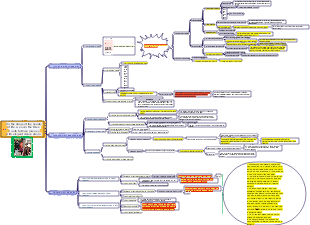
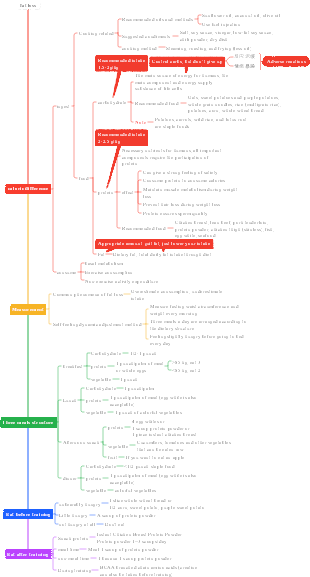
80KG fat loss (roughly)
day shift
Time management and diet matching
Add meals before morning exercise (optional) 6:30
Diet type: light meals
Specific matching example: Black coffee 1 slice of whole wheat bread
Functional positioning: refreshing the mind and providing temporary energy
Functional positioning: Increase fullness and reduce energy consumption during morning exercises
Note: Decide whether you need it according to your personal habits
Formal breakfast 7:30
Diet type: high protein, complex carbohydrates
Specific matching examples: 4 egg whites, 1 whole egg, 50g oats, 200g blueberries
Functional localization: Provides the protein you need for one day
Functional Positioning: Carbohydrates that provide slow energy release
Functional positioning: antioxidant, protecting vision
Notes: Ensure balanced nutrition and avoid high-sugar foods
10:30 am extra meal
Diet type: low sugar, high fiber
Specific matching example: 200g sugar-free yogurt 30g nuts 1 cucumber
Functional positioning: Maintain blood sugar stability and avoid hunger before lunch
Functional Positioning: Provides healthy fats and protein
Functional positioning: Increase fullness and reduce excessive lunch intake
Note: Avoid too much processed food and maintain natural ingredients
Lunch (key meal) 12:30
Diet type: high protein, complex carbohydrates, vegetables
Specific matching example: 150g fried steak, 200g mixed grain rice, blanched spinach and black ears
Functional positioning: Provide high-quality protein to repair muscles
Functional positioning: Provides composite carbohydrates for long-lasting energy supply
Functional positioning: Provides rich in vitamins and minerals
Notes: Control oil intake and maintain dietary diversity
Add meals before training at 15:30
Diet type: Fast energy recharge
Specific matching example: 1 banana 20g whey protein powder
Functional positioning: Quickly replenish energy and improve sports performance
Functional localization: Providing protein to promote muscle synthesis
Note: Avoid excessive intake to avoid affecting digestion
After exercise dinner 18:30
Diet type: protein, low GI carbohydrates, vegetables
Specific matching example: 200g steamed fish, 150g sweet potato, garlic broccoli
Functional localization: Supplementing protein lost after exercise
Functional positioning: Provides low GI carbohydrates for quick replenishment of glycogen
Functional positioning: Provides antioxidants to promote recovery
Notes: Pay attention to how food is cooked and reduce oil intake
2 hours before bed (optional) 21:00
Diet type: light food, low calories
Specific matching example: 250ml sugar-free soy milk 5g chia seeds
Functional positioning: prevent late-night hunger and avoid affecting sleep quality
Functional positioning: Provide essential fatty acids and fibers
Note: Avoid excessive intake to avoid affecting digestion and sleep
Sports nutrition strengthening strategies
Get up early in the morning and have aerobic aerobic condition (if selected)
Before exercise
5g branched chain amino acids (prevent muscle decomposition)
After exercise
Replenish 20g whey protein immediately
1 slice of whole wheat bread
Evening resistance training
30 minutes before practice
200ml black coffee
5g creatine (enhanced strength performance)
Post-practice window period
40g protein supplements within 30 minutes
50g fast carbon (such as white bread)
Day shift vs night shift to transitional diet
When rotation shifts are needed, gradually adjust 3 days in advance
Time translation method
Delay the meal time/2 hours in advance every day
Melatonin diet
Add tryptophan foods to bedtime meals
milk
Turkey
Caffeine control
Stop caffeine intake 24 hours before shift change
night shift
1. Food Management (Core Key Points)
Heat control
Daily intake of 1,800-2,000 calories
Protein 1.6-2g/kg (128-160g/day)
Ensure muscle growth and repair
Helps maintain fullness
Carbohydrates 40-45%
Provide energy required for daily activities
Maintain blood sugar levels stable
Fat 2025%
Protect cellular function and hormone synthesis
Promote fat-soluble vitamin absorption
Record diet using Mint Health APP
Convenient to track calorie intake and nutrients
Enhance self-awareness of diet management
Dietary strategies for shifts
Before night shift (17:00)
High protein complex carbohydrate (chicken breast, brown rice, broccoli)
Provide lasting energy
Avoid rapid fluctuations in blood sugar
On night shift (22:00/2:00)
Portable protein bar/Greek yogurt Nuts
Quickly replenish energy and protein
Avoid hunger affecting work
After get off work (8:00)
Quick sleep meal (casein yogurt banana)
Promote sleep quality
Avoid indigestion affecting rest
Day shift recovery
Intermittent fasting on 16/8 (e.g., 12:00-20:00)
Improve metabolic efficiency
Promote the removal of toxins in the body
Bulminishing skills
Prepare boiled eggs and ready-to-eat chicken breasts in the workstation
Provide healthy snack options
Avoid the temptation of high-sugar snacks
Reject colleagues' high-sugar snacks
Control sugar intake
Maintain blood sugar stability
Carry a 1L kettle with you
Increase water drinking
Reduce hunger and appetite
2. Sports planning (use the advantages of the venue)
Periodic training
Strength Day (45 minutes in the gym)
Squat 5x5 Press 5x5
Strengthen lower limbs and shoulder strength
Improve basal metabolic rate
Battle Rope HIIT 15 minutes
Improve cardiopulmonary function
Accelerate fat burning
Aerobic Day (swimming pool/playground)
Swipe 1000m (50m fast and 50m slow)
Improve swimming skills
Enhance cardiopulmonary endurance
Playground slope running 6 sets of 400 meters
Exercise lower limb muscles
Improve endurance and speed
Fun Day (Badminton Hall)
60 minutes of doubles competition (actually measured consumption of 500-700 large card)
Enhance physical coordination
Improve sports fun and social interaction
Fragment training method
Working clearance for 5 minutes Tabata
Open and close jump, high leg lift, push-up cycle
Increase heart rate and promote fat burning
Strengthen muscle strength throughout the body
Use shift time to climb stairs
10th floor ≈100 large card
Increase daily activities
Improve cardiopulmonary function
3. Work and rest adjustment
Light management
Wear blue light glasses after night shift
Reduce the effect of blue light on sleep cycles
Protect your vision health
Use blackout curtains during daytime sleeping White noise
Create dark environments to promote sleep
White noise helps block interference
Immediately after waking up, sunlight shines for 10 minutes
Adjust the biological clock
Improve mood and mental state
Sleep-making strategy
Split sleep into core sleep for 4 hours 1-2 90-minute cycles to make up for sleep
Ensure adequate sleep time
Improve sleep quality
Monitor sleep quality with SleepCycle
Analyze sleep cycles and depth
Optimize sleep habits and environment
Things to note
Cortisol management during shift
Vitamin C supplement
1000mg of vitamin C per day
Ensure diverse sources of vitamin C
Avoid excessive intake
Post-training meditation
Schedule 10 minutes of meditation time
Choose a quiet environment for meditation
Manage cortisol levels
Understand the effects of cortisol on the body
Learn how to manage cortisol
Adjust your lifestyle to lower cortisol
When encountering platform period
Carbohydrate circulation method
Carbohydrate daily alternation
Plan diets for high-carbon and low-carbon days
Monitor your body's response to carbohydrate cycles
Adjust dietary structure
Maintain nutritional balance
Avoid extreme diet
Regular physical examinations and attention
Blood sugar and lipid indicators
Regular physical examinations
Choose the right medical examination package
Pay attention to changes in physical examination results
Analyze physical examination data
Discuss the results of the physical examination with the doctor
Adjust your living habits and diet plan
5. Maintenance period adjustment (after reaching 75kg)
The calorie is gradually increasing
Daily intake of 2200-2400 calories
Calculate daily calories
Using a calorie calculator
Adjust caloric intake in consideration of activity
Monitor caloric intake
Record daily food intake
Adjust dietary structure
Strength training reserved
Aerobic switch to badminton social bureau
Regularly participate in badminton activities
Choose the right social bureau
Keep the fun of exercise
Combining social and health
Enjoy the social fun of sports
Improve the sustainability of exercise
Set up a floating warning line
5kg floating warning line
Attain 77.5kg to start light fasting
3-day light fasting plan
Choose a light fasting day
Plan light fasting food
Monitor weight changes
Regular weight check
Adjust diet and exercise strategies
4. Progress monitoring
Measurement every week at a fixed time
Measure weight
Using a weight scale
Ensure the accuracy of the scale
Measurements at a fixed time
Record weight data
Record with a notebook or electronic device
Compare before and after data changes
Measure waist circumference
Use a soft ruler
Keep the soft ruler level
Record waist size
Analyze waist circumference trends
Observe whether it meets the fat loss goal
Measure body fat rate
Using gym instruments
Ensure instrument calibration
Understand how to use the instrument
Analyze body fat rate data
Comparison with standard body fat ratio
Adjust diet and exercise plans
Perform a physical fitness test every month
Test the 1km running speed
Choose a flat track
Ensure the test environment is consistent
Record time and analyze progress
Analysis of speed changes
Comparison with last month's data
Adjust training intensity
Test squat 1RM variation
Ensure standard of action
Avoid the risk of injury
Improve test accuracy
Record 1RM data
Comparison with last month's data
Adjust the training plan